You have not yet added any article to your bookmarks!
Join 10k+ people to get notified about new posts, news and tips.
Do not worry we don't spam!
Post by : Saif Rahman
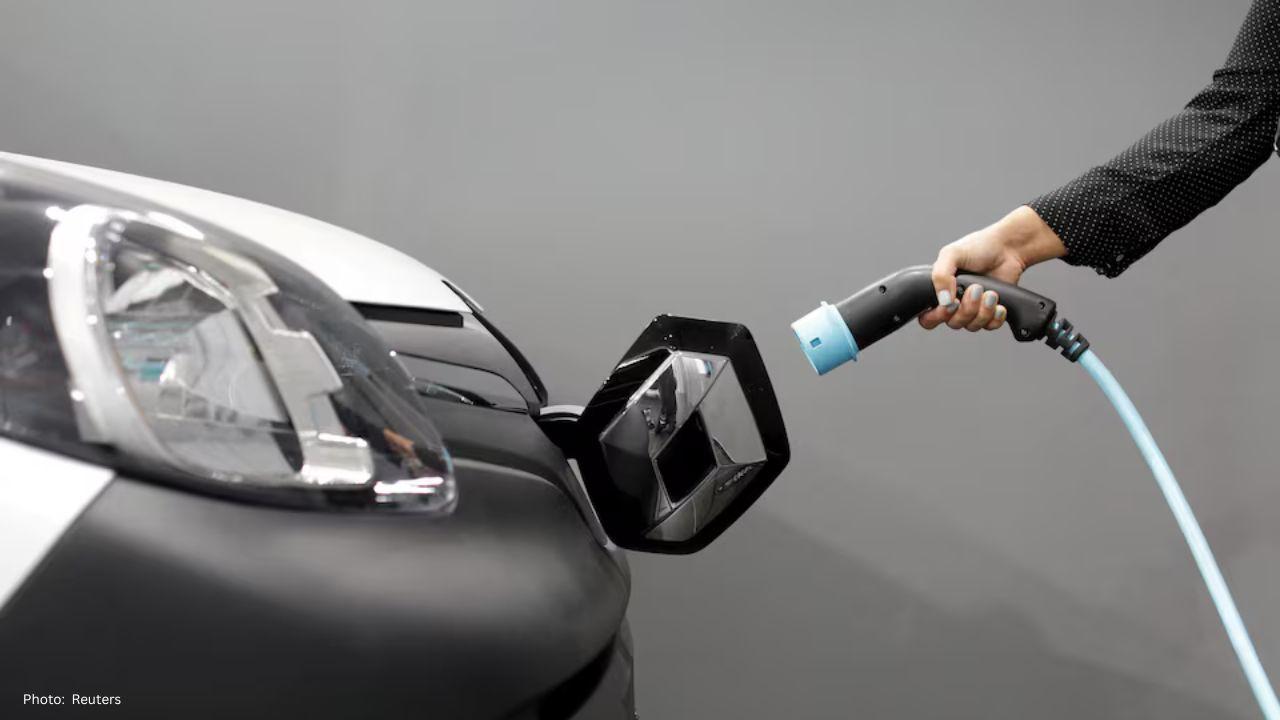
Europe has chosen to revisit its stringent plan to cease sales of petrol and diesel cars by 2035. Nevertheless, the road towards electric vehicles remains a crucial journey. Industry analysts assert that, despite this policy alteration, electric cars will continue to be the cornerstone of Europe’s automotive landscape.
The European Commission has revealed intentions to relax the rules mandating that all new cars be entirely electric by 2035. This shift comes after European car manufacturers have voiced their need for more time to counter strong competition from China while navigating increasing operational costs.
With this updated strategy, hybrid vehicles, plug-in hybrids, and some traditional engine models will still be permissible for sale beyond 2035. Additionally, Brussels has introduced a new category of small electric vehicles, with enhanced benefits for those manufactured within Europe. Analysts interpret this as a move that grants European manufacturers greater latitude in determining their paths forward.
Several experts assert this shift could be beneficial for the European automobile sector during these challenging times. A gradual transition allows companies to focus on making electric vehicles more affordable and appealing to consumers. Optimistically, analysts believe this breathing room will enable European brands to close the gap with their Chinese counterparts, who already dominate the low-cost electric vehicle market.
Prestigious carmakers such as Mercedes and BMW may reap rewards from this decision, as they can extend the sale period of their plug-in hybrids. Meanwhile, brands like Renault and Stellantis, which specialize in smaller urban vehicles, might also find advantages in promoting compact electric models suited for city living.
Europe's new stance sharply contrasts with the approach taken by the United States, where former President Donald Trump has scaled back support for electric vehicles. While the U.S. slows its momentum, Europe remains committed to progress, albeit at a more measured pace.
The competition posed by Chinese manufacturers continues to be a substantial threat. Although the EU enforced tariffs on Chinese electric cars last year, numerous Chinese firms are still making strides in Europe. They often bypass tariffs by marketing hybrids or petrol cars, especially in nations where electric vehicle sales remain minimal.
Despite these challenges, the electric vehicle market in Europe is showing signs of growth. Completely electric models have demonstrated impressive year-on-year sales increases and now constitute a significant portion of new vehicle sales. Nevertheless, advancements are uneven, with southern and eastern regions of Europe lagging due to insufficient charging infrastructure.
This policy amendment has raised concerns among firms that invested heavily in electric-only initiatives after the EU regulations were established in 2023. However, some view the new flexibility as a chance for automakers to collaborate on cost-effective electric platforms and technology sharing.
A slower transition toward full electrification might also provide governments with the necessary time to enhance charging networks, viewed by many drivers as a key barrier to electric vehicle purchases.
While the EU’s timeline has been adjusted, the ultimate goal remains unchanged. Electric vehicles may arrive at a measured pace, but they are still destined to shape the future of Europe’s automotive sector.





Josh Kerr and Jakob Ingebrigtsen Set for 1,500m Rivalry Rematch
Josh Kerr and Jakob Ingebrigtsen will renew their 1,500m rivalry at the Ultimate Championship in Bud

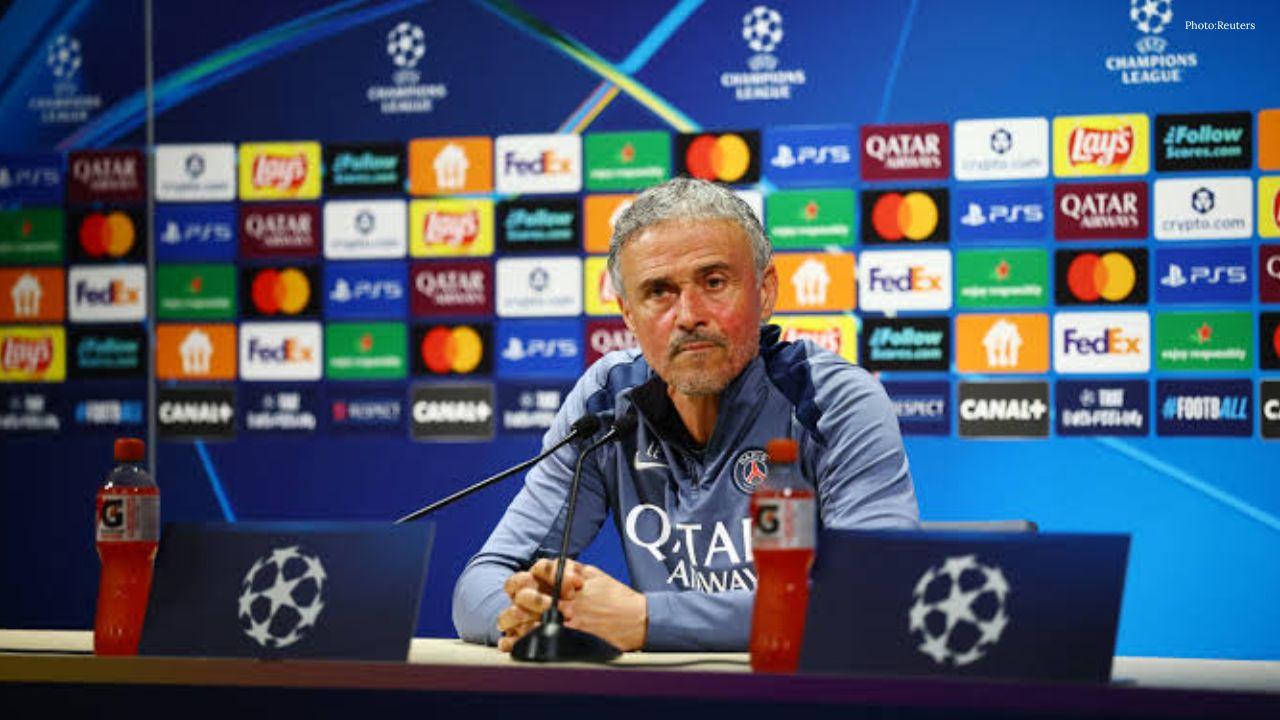
PSG Coach Luis Enrique Urges Players to Step Outside Comfort Zone
PSG coach Luis Enrique says players must leave their comfort zone and keep improving as the club tar

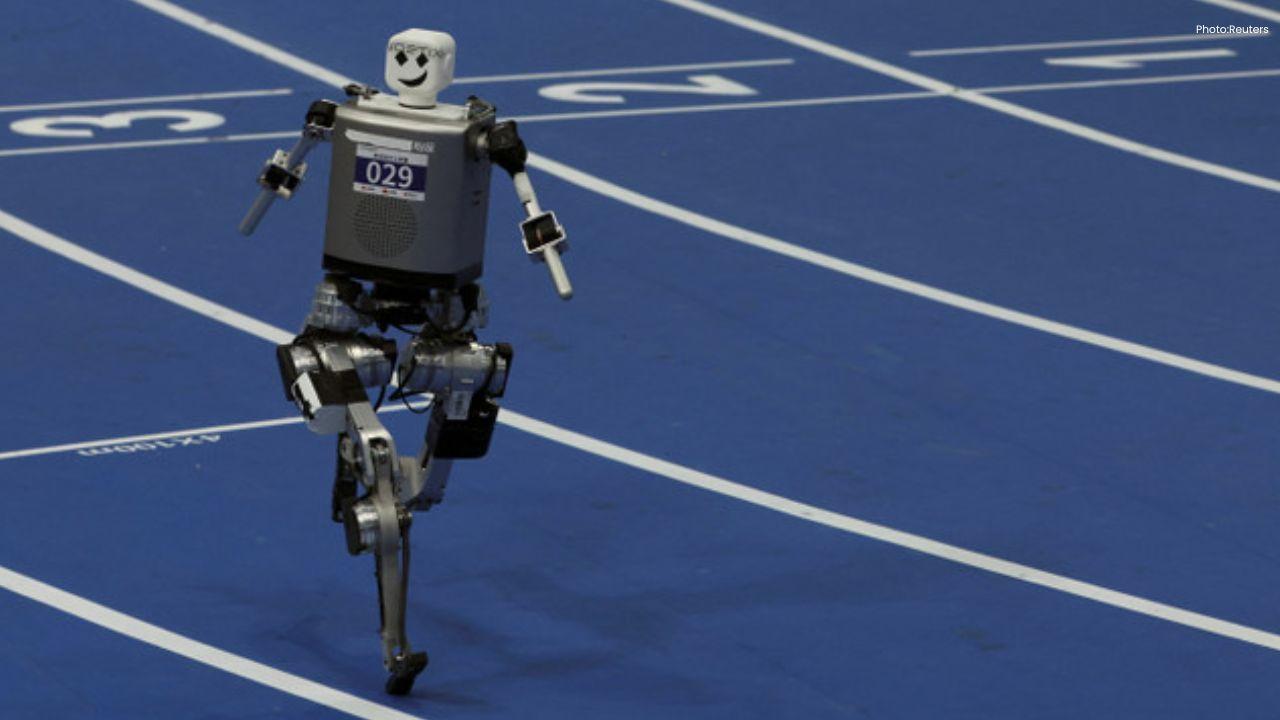
China’s Tiangong Sets New 400m Record at Robot Olympics
China’s Tiangong robot sets a new 400m record at the Robot Olympics, beating a South African robot i
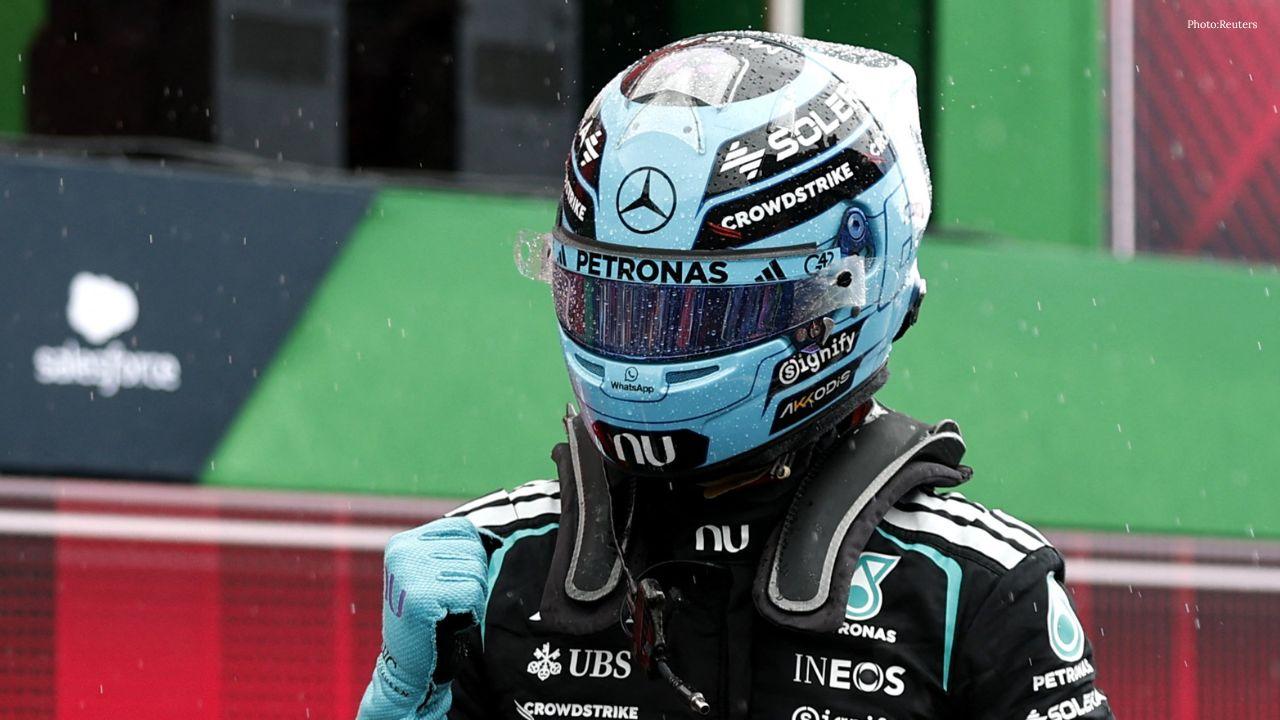
George Russell Wins Dutch GP Sprint, Boosts Mercedes Morale
George Russell wins the Dutch GP Sprint from pole as Mercedes teammate Kimi Antonelli extends his F1
Australia 50/3 After Bangladesh Bowled Out for 64 in Second Test
Australia reached 50/3 after Bangladesh were bowled out for 64 in the second Test, with Mitchell Sta

Jordan Burroughs Returns to Wrestling with 2028 Olympic Dream
Jordan Burroughs returns to wrestling with Real American Freestyle as the Olympic champion eyes a po