
You have not yet added any article to your bookmarks!
Join 10k+ people to get notified about new posts, news and tips.
Do not worry we don't spam!
Post by : Saif Rahman
The ongoing clashes between the United States, Iran, and Israel have intensified, marked by persistent military strikes and escalated tensions throughout the Middle East. This alarming escalation raises urgent fears regarding a potential regional conflict that could disrupt global security, energy supplies, and international diplomacy.
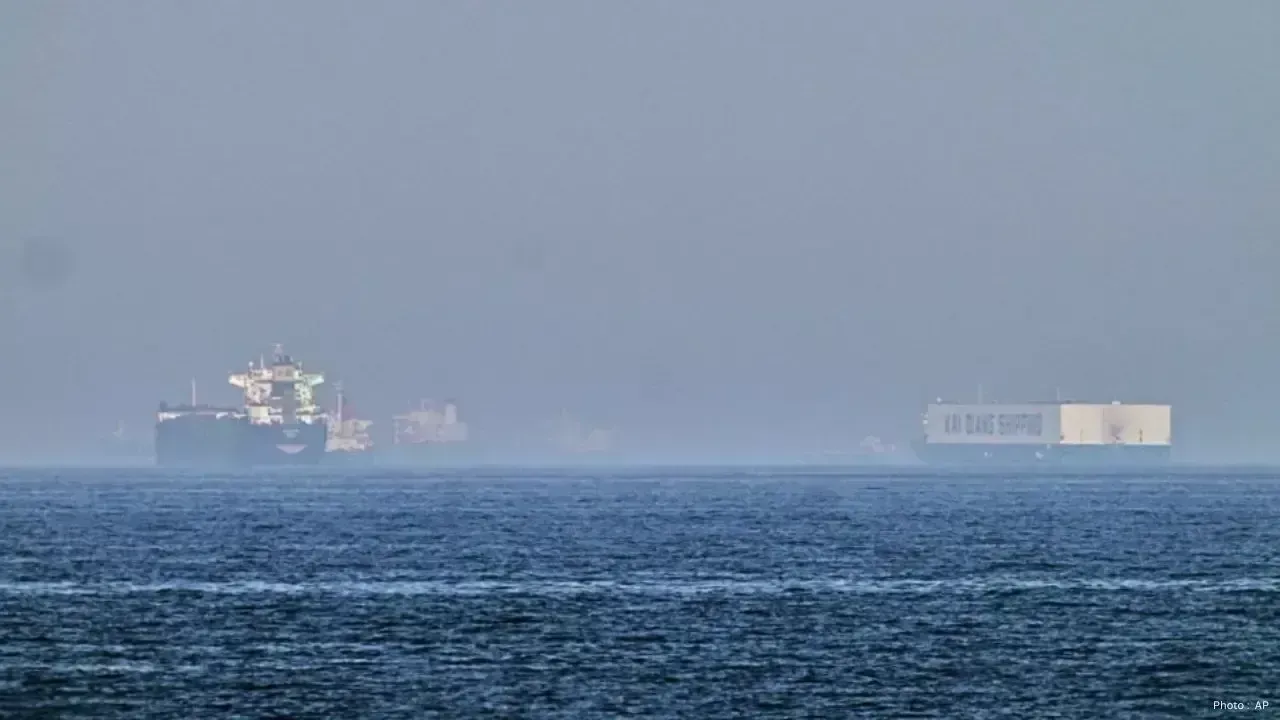
Recent reports indicate a resurgence of attacks, with military engagements spreading across strategic locations, including the vital Strait of Hormuz, despite prior hopes for ceasefires and diplomatic resolutions.
The Strait of Hormuz is critical to global trade, with a substantial portion of the world’s oil supply traversing this route. Any instability here could swiftly impact fuel prices, trade pathways, and worldwide economic health, making this situation a focal point for global leaders.
Long-standing tensions over nuclear matters, regional dominance, and military posturing have characterized the US-Iran relationship, while Israel’s actions, including aerial strikes, have added layers of complexity amid retaliatory responses from Iranian-affiliated groups.
Despite previous diplomatic engagements and temporary ceasefires, the ground situation is precarious. Missile attacks, drone operations, and escalating naval hostilities persist, complicating the pursuit of lasting peace.
Local populations in conflict zones are increasingly at risk, facing infrastructure damage, daily life disruptions, and growing insecurity. Humanitarian organizations warn that prolonged fighting may exacerbate conditions for millions in the region.
Global markets are reacting notably to the rising unrest, with oil prices experiencing volatility amid fears of supply interruptions, compelling shipping companies to alter routes to evade heightened risks, thus impacting international trade costs and raising inflation worries across nations.
Analysts suggest the situation reflects a precarious phase in Middle Eastern geopolitics, characterized by overlapping conflicts and escalating instability. The involvement of significant global powers further complicates the quest for enduring peace.
Calls for restraint and renewed diplomatic efforts have been issued by influential international leaders to avert further turmoil, yet trust remains low among the involved factions, each accusing the other of breaching agreements and instigating hostilities.
Organizations such as the United Nations, alongside several countries, advocate for immediate measures to alleviate tensions, safeguard civilians, and ensure the secure passage of commercial vessels. However, military activities continue unabated.
Experts caution that absent meaningful diplomatic progress, the risk of broader conflict will likely persist. The Middle East remains a delicate region where minor occurrences could spiral into more extensive confrontations involving multiple nations.
As developments unfold, the international community is keenly observing whether diplomatic initiatives can effectively stave off additional escalation or if the region is on the brink of a protracted and severe conflict.










PM Modi Pays Tribute to Mahatma Gandhi, Urges People to Support Khadi
PM Modi pays tribute to Mahatma Gandhi on Gandhi Jayanti and urges citizens to support Khadi and the

Amazon Seeks to Offload $8 Billion in Nvidia Chips to Investors
Amazon plans to move $8 billion in Nvidia chips to investors, using a new financing model to strengt

Samsung Raises Galaxy S26 Prices as Memory Chip Costs Rise
Samsung raises Galaxy S26 prices in South Korea as rising memory chip costs put pressure on smartpho

Lewis Hamilton Calls Singapore Grand Prix One of F1's Toughest Races
Lewis Hamilton discusses the demanding Singapore Grand Prix and brings Plus44 and Almave to Singapor

Denmark's Pandora Opens World's Largest Jewellery Factory in Vietnam
Pandora opens its largest jewellery factory in Vietnam, expanding global production, strengthening s

Gautam Gambhir Questions Batting-Friendly Pitches After India's Record ODI Chase
Gautam Gambhir questions batting-friendly ODI pitches after India’s record chase, calling for a bett

