You have not yet added any article to your bookmarks!
Join 10k+ people to get notified about new posts, news and tips.
Do not worry we don't spam!
Post by : Saif Rahman
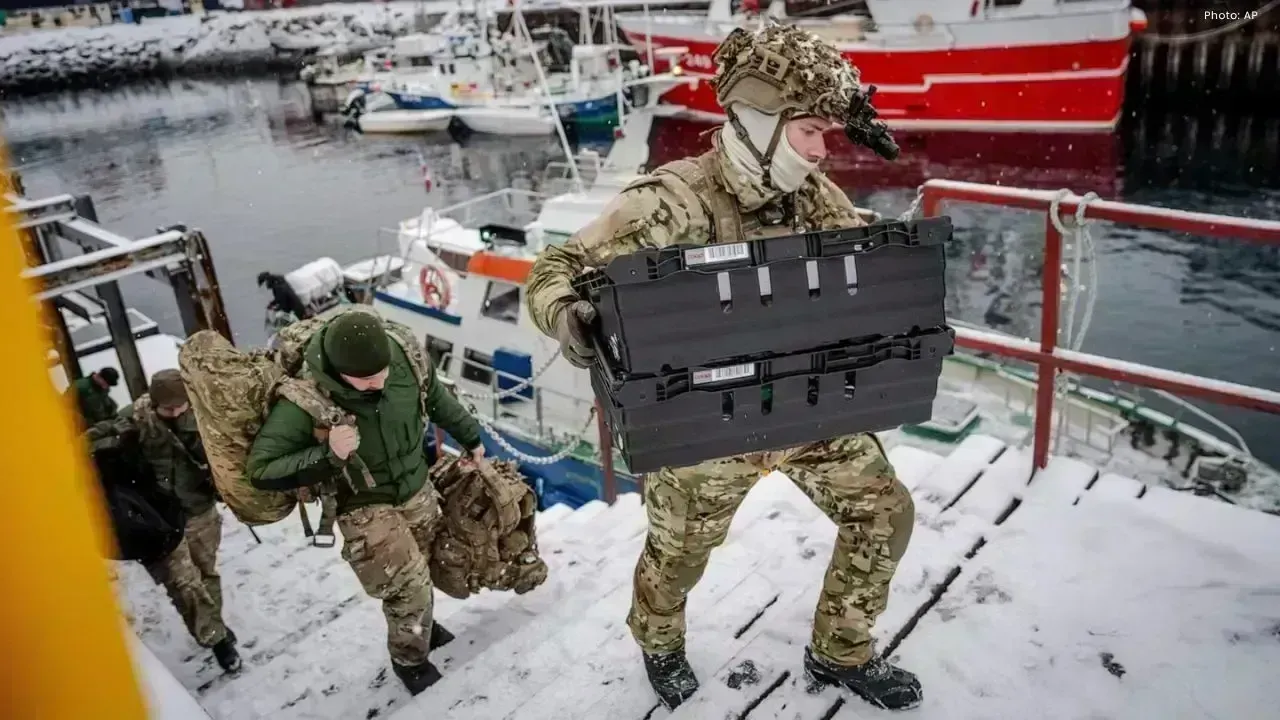
Recently, tensions surrounding Greenland have escalated following U.S. President Donald Trump's tariff threats aimed at European nations, seeking to sway the future of the Arctic territory. As part of the Kingdom of Denmark, Greenland's predicament has drawn significant concern from various European nations and NATO allies.
Trump's proposed measures include a 10% tariff on imports from countries like Denmark, the UK, Germany, France, Norway, Sweden, the Netherlands, and Finland, asserting that these could increase to 25% by June if negotiations fail to favor U.S. interests. This aggressive stance aligns with Trump’s ambition to boost American strategic leverage over Greenland, which boasts abundant natural resources and geopolitical significance.
European leaders have fiercely condemned these tariff threats. British Prime Minister Keir Starmer labeled them as “completely wrong” and warned that a trade confrontation would be detrimental to all involved parties. The European Council has reiterated that the future of Greenland should be a matter for Denmark and Greenland alone, denouncing external coercion as a threat to allied relationships.
The sentiment in Greenland and Denmark features widespread opposition to U.S. involvement. Protests in cities such as Copenhagen advocate for Greenland's right to autonomy in making its own decisions. Numerous citizens and activists have voiced their disapproval of the prospect of ceding or selling Greenland's influence to the U.S.
In an effort to de-escalate the situation, the Danish government has clarified that its increased military presence in Greenland aims to enhance security and foster cooperation, rather than provoke the U.S. Officials have stressed the importance of maintaining dialogue and working with international partners through established Arctic initiatives.
Greenland's geographical and resource-based significance underscores its global strategic importance. Nevertheless, both leaders and citizens stress that decisions regarding its future must arise from peaceful discussions and a commitment to international law, rather than threats or economic coercion.
This developing situation exemplifies the fragile nature of global politics, where strategic interests, national pride, and international alliances are at play. Upcoming discussions among European and Danish leaders are anticipated as they strive to uphold sovereignty, ensure regional stability, and prevent tensions from escalating in the Arctic.




George Russell Wins Dutch GP Sprint, Boosts Mercedes Morale
George Russell wins the Dutch GP Sprint from pole as Mercedes teammate Kimi Antonelli extends his F1

Australia 50/3 After Bangladesh Bowled Out for 64 in Second Test
Australia reached 50/3 after Bangladesh were bowled out for 64 in the second Test, with Mitchell Sta

Jordan Burroughs Returns to Wrestling with 2028 Olympic Dream
Jordan Burroughs returns to wrestling with Real American Freestyle as the Olympic champion eyes a po

Lamborghini Catches Fire on Singapore's ECP, Causing Heavy Traffic
A Lamborghini caught fire on Singapore's ECP, causing heavy traffic and bus delays. No injuries were

Bangkok Airport Duty-Free Area Flooded by Pipe Burst
A burst water pipe flooded the duty-free shopping area at Bangkok's Suvarnabhumi Airport on July 16,
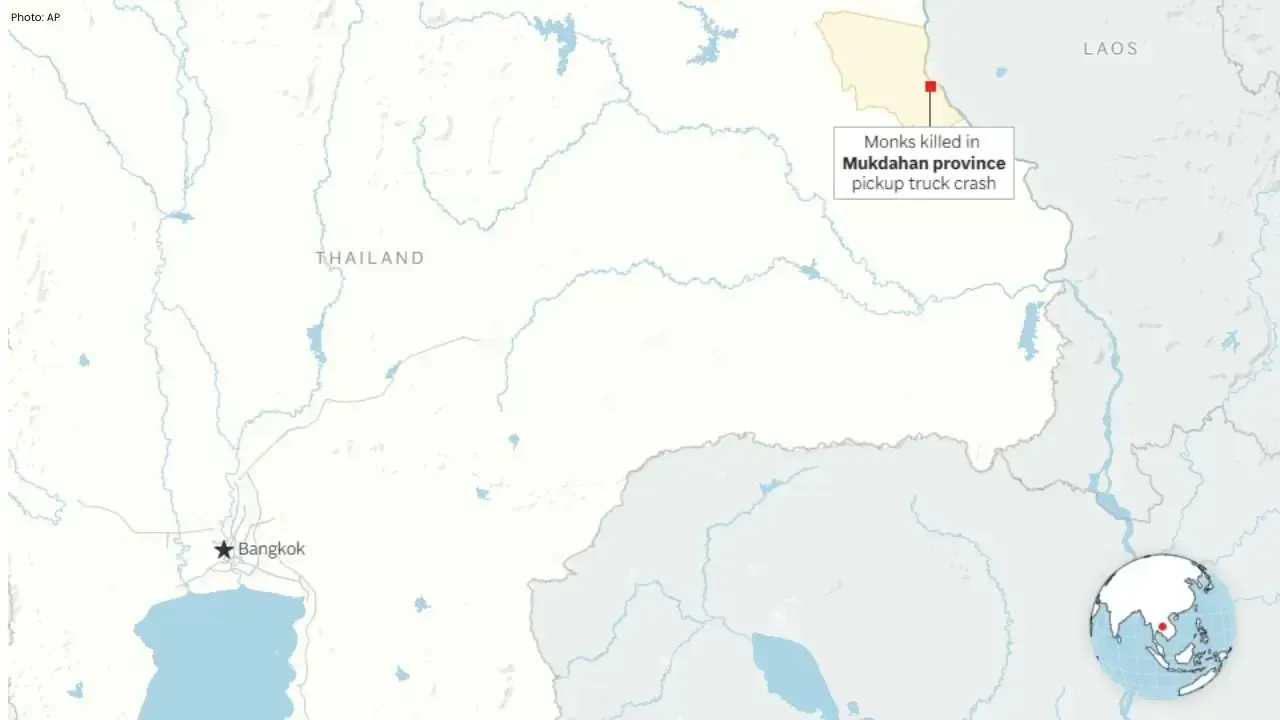
Nine Monks Killed in Thailand Pickup Truck Tragedy
An 11-year-old boy driving a pickup truck crashed into monks during a pilgrimage in northeastern Tha