
You have not yet added any article to your bookmarks!
Join 10k+ people to get notified about new posts, news and tips.
Do not worry we don't spam!
Post by : Mikael Ariff
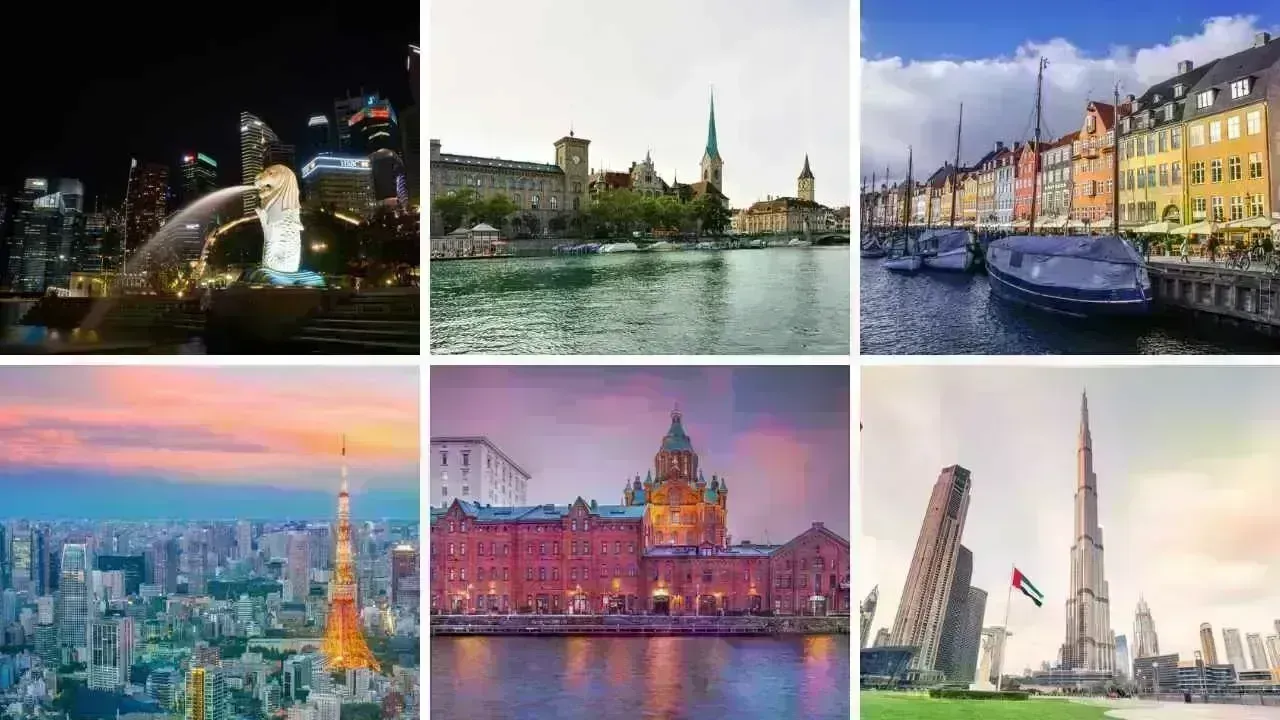
In an era where urban congestion, pollution, and overcrowded streets are the norm, cities with pristine cleanliness offer a refreshing escape. Notable destinations like Singapore, Zurich, Copenhagen, Tokyo, Helsinki, and Dubai shine for their immaculate streets, fresh air, and well-maintained public areas, showcasing that modern living can coexist with environmental care.
These cities have effectively managed to uphold their cleanliness while continuing to expand. As travelers arrive, they immediately sense the difference: the streets feel orderly, public spaces seem inviting, and daily navigation becomes a breeze. These urban centers not only attract tourists but also provide a higher quality of life for their residents.
This report explores the world’s cleanest cities, discussing what sets them apart, how their cleanliness enhances daily living, and why they deserve a visit at least once.
In urban locales like Singapore and Tokyo, maintaining cleanliness is ingrained in daily routines. Residents avoid littering, treating public places with respect, underscoring that cleanliness is more than just regulations—it's a mindset.
Here, waste containers are utilized correctly, public transportation remains spotless, and sidewalks are free of obstructions. This commitment is fostered through education, awareness, and a sense of community responsibility. When individuals take pride in their environment, municipal spaces naturally remain clean.
Cities like Zurich and Copenhagen are celebrated for their robust urban design. Thoughtfully laid out roads, residential zones, markets, and recreational areas are meticulously planned. Waste disposal points are strategically positioned, drainage systems function efficiently, and traffic flows smoothly.
These municipalities emphasize proactive solutions, addressing issues before they escalate. By mitigating flooding, waste overflow, and pollution, they safeguard public health while being economical in the long run.
Dependable public transport is crucial in cities like Helsinki and Tokyo. Clean buses, subways, and trains motivate residents to leave cars behind, resulting in diminished traffic, reduced noise, and improved air quality.
Frequent cleaning of transit hubs is standard, and passengers are expected to adhere to guidelines, ensuring that public transport remains safe and pleasant for all.
Green parks and natural areas are vital to clean cities. In regions like Copenhagen and Helsinki, trees grace the streets, and parks are prevalent in most neighborhoods. Such green spaces mitigate dust, boost air quality, and provide a tranquil refuge.
These environments elevate aesthetic appeal and happiness, particularly for families and children.
Numerous clean cities leverage technology to enhance their cleanliness. In Singapore and Zurich, smart waste management systems notify staff when bins are full. Street-cleaning vehicles operate during off-peak hours, and air quality monitors assess pollution rates.
Some locations even repurpose water for street cleaning and irrigation, fostering conservation efforts. Though these systems operate quietly, they have a monumental impact.
Dubai has risen to prominence as one of the cleanest cities in the region. With daily cleaning of roads, beaches, parks, and community areas, cleanliness is evident throughout the city.
Through advanced waste management, community awareness initiatives, and stringent litter policies, Dubai upholds exceptional standards. It exemplifies how rapid urban growth can harmonize with environmental cleanliness.
For tourists, the ambiance a city exudes leaves a lasting impression. Clean metropolises like Singapore, Zurich, and Dubai convey safety, serenity, and warmth. Exploring on foot becomes a delightful experience, with social spots feeling welcoming.
Travelers can savor local cuisine, engage with culture, shop, and sightsee without concerns about pollution or hygiene—this allure often entices repeat visitors.
The overarching takeaway from these clean cities is that maintaining cleanliness transcends monetary investments. It necessitates planning, effective leadership, and public engagement. Small actions—like continuous cleaning, community education, and respect for shared places—can foster enormous transformations.
When local authorities and citizens unite, urban areas evolve into improved living spaces.
The globe’s cleanest cities—Singapore, Zurich, Copenhagen, Tokyo, Helsinki, and Dubai—are must-visit destinations. They embody more than just tidy streets; they represent an elevated quality of life.
These cities remind us that a clean environment is essential for sustainable living. In the realm of urban living, cleanliness is now a fundamental requirement.
This article aims to inform and raise public awareness. The cities mentioned are cited as examples based on widely recognized cleanliness standards, public behaviors, and commonly observed urban conditions. Cleanliness levels may fluctuate over time owing to development, demographic changes, environmental aspects, or policy revisions. The viewpoints expressed here do not officially rank or compare cities and are not intended to endorse or criticize any locale. Readers are encouraged to consult local sources or official city websites for the most current and accurate information.










PM Modi Pays Tribute to Mahatma Gandhi, Urges People to Support Khadi
PM Modi pays tribute to Mahatma Gandhi on Gandhi Jayanti and urges citizens to support Khadi and the

Amazon Seeks to Offload $8 Billion in Nvidia Chips to Investors
Amazon plans to move $8 billion in Nvidia chips to investors, using a new financing model to strengt

Samsung Raises Galaxy S26 Prices as Memory Chip Costs Rise
Samsung raises Galaxy S26 prices in South Korea as rising memory chip costs put pressure on smartpho

Lewis Hamilton Calls Singapore Grand Prix One of F1's Toughest Races
Lewis Hamilton discusses the demanding Singapore Grand Prix and brings Plus44 and Almave to Singapor

Denmark's Pandora Opens World's Largest Jewellery Factory in Vietnam
Pandora opens its largest jewellery factory in Vietnam, expanding global production, strengthening s

Gautam Gambhir Questions Batting-Friendly Pitches After India's Record ODI Chase
Gautam Gambhir questions batting-friendly ODI pitches after India’s record chase, calling for a bett

