You have not yet added any article to your bookmarks!
Join 10k+ people to get notified about new posts, news and tips.
Do not worry we don't spam!
Post by : Anis Farhan
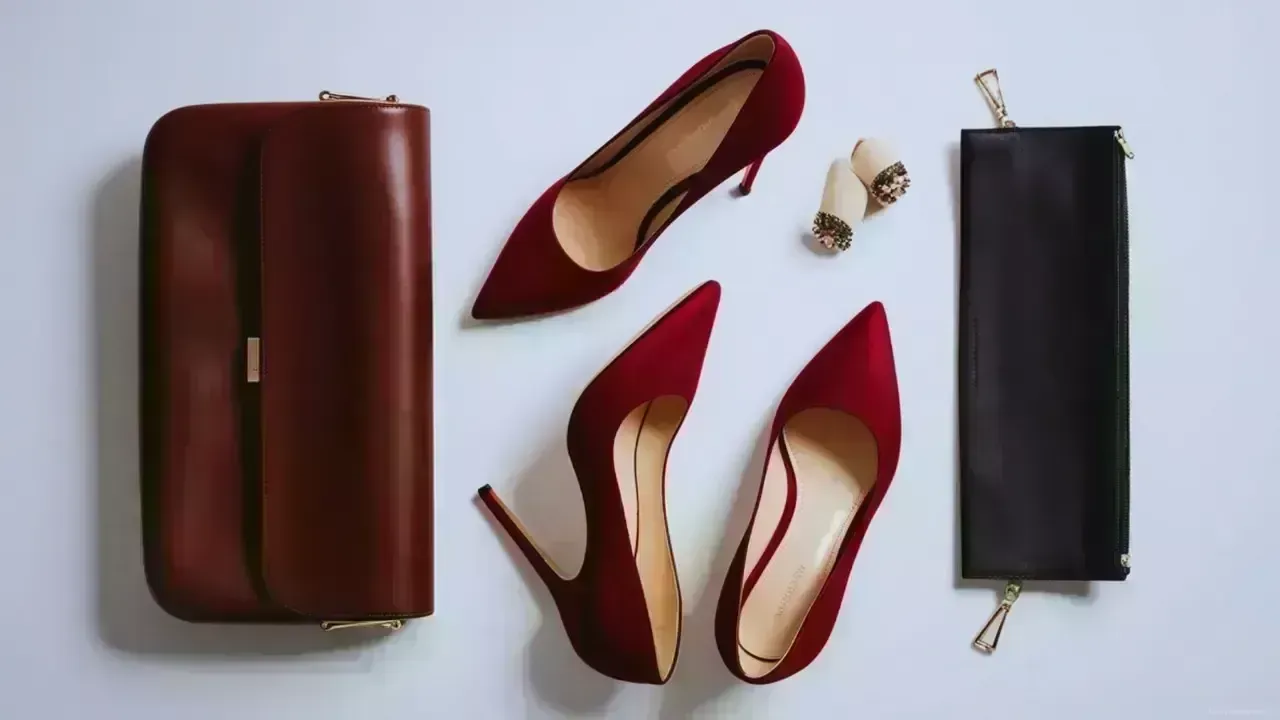
The year 2026 has opened with fresh conversations around how people wish to dress and present themselves. Fashion and beauty are no longer separate corridors; they cross paths in wardrobes, bathrooms, and digital screens. Consumers today carry stronger opinions about what they wear, how ingredients touch their skin, and how style reflects identity rather than borrowed glamour. Brands across Asia, Europe, and the Gulf are reading these signals carefully, knowing that the modern shopper wants comfort mixed with confidence and measurable wellness instead of loud exaggeration.
This article examines the many forces shaping fashion and beauty in 2026. It looks at how climate concerns influence fabrics, why retro aesthetics are returning, how men’s grooming is expanding, and what kind of retail stories could unfold across the year. The aim is to present an informative guide written in simple English, helping readers understand why these trends matter for everyday life and industry competitiveness.
For decades fashion relied on the idea that one glamorous look could suit millions. In 2026 that belief is fading. Shoppers search for clothes that speak their own language. Street markets in Dubai display modest abayas stitched with experimental cuts, while Indian cities showcase linen saris dyed in earthy tones. The demand for individuality has encouraged smaller designers to compete with global brands, creating a democratic landscape where a tailor in Sharjah can earn attention similar to a luxury house in Paris.
Beauty counters are slowly turning into wellness corners. People ask whether the lipstick they apply or the cream they choose could affect internal health. The broader medical debate about diet, hormones, and mental well-being has spilled into fashion decisions as well. Consumers consider skincare routines before buying foundations, and this reversed path influences how designers craft breathable fabrics and makeup brands develop gentle formulas.
Gen Z audiences have become the loudest compass for style. They favor playful rebellion and quick changes. Their participation through memes and unfiltered ratings pushes brands to remain honest. Fashion in 2026 often begins with what youth discuss in January rather than what advertisements promise.
The expansion of renewable energy projects across the Gulf and rising sea temperatures worldwide remind designers that climate is the biggest client. Fabrics in 2026 are becoming lighter, low-power in production, and easier to recycle. Cotton blended with bamboo fiber has captured attention because it remains soft while consuming less water. Polyester alternatives made from algae and sugarcane are appearing on shelves, allowing brands to advertise sustainability without sounding artificial.
Instead of throwing old garments away, shoppers are encouraged to return them to stores where they are shredded and rewoven. Circular fashion systems help reduce plastic waste and carbon footprints. Mini formulation centers inside malls operate similarly to biotech labs, giving a sense that clothes are part of long ecological stories rather than temporary trends.
Plastic bans expanding across Gulf countries influence beauty packaging. Glass bottles with refill options are trending because they appear honest and tactile. Shoppers admire how mirrors now host smart reports advising sunscreen and serums while packaging remains eco-friendly.
Vintage-inspired trends resurfacing in fashion searches appear strongly in 2026 wardrobes. Bell-bottom jeans, jelly molds, and custard tarts in food culture mirror similar nostalgia in dresses. Consumers admire retro aesthetics because they feel familiar during uncertain global oil politics and freight jumps after holiday seasons. Designers mix vintage cuts with modern comfort.
The Pinterest trend of creative maximalism shapes makeup as well. Bright blues and soft peaches from the 1990s are returning, allowing consumers to express confidence. These colors complement the paperback look of pulp thrillers popular during January weekends.
Custard tarts and jelly molds inspire home bakers, while infrared fitness and personalized skincare influence haircare terminology. Shoppers are looking up baked Alaska-style palettes for eyes and self-cooling bottles for serums suited for Gulf heat.
The rise in message typing proficiency and patience required for chat support jobs has influenced men’s grooming participation as well. Skincare once considered feminine is now part of male wardrobes. Retro styles resurfacing encourage barbers in Dubai and Bangkok to offer peptide facials and caviar bites at jazz bars. Consumers search for Rachin Ravindra-style grooming lines.
Hollywood bets on video game films and Indian stars sporting bald looks inspire clean-shaven aesthetics. Beards are slowly fading as 2026 begins. The return of retro custard palettes in makeup complements Leon Graves-style humor around campfires.
Clinic formulation bots and service robots restocking inventory are entering real services like salons and hospitality. These robots ensure hygiene while men’s grooming grows.
Retail transformation in malls mirrors skincare and food aisles. The series encourages shoppers to begin on screens then buy matching products. Digital creators redefine brand participation. Subscription models built on results reduce returns.
Extended reality tools allow customers to try abayas, saris, and retro jeans without visiting stores physically. The XR layer becomes part of daily workflows. Viewers finishing New Year weekend with these tools express admiration similar to how pulp fiction floats humor.
Autonomous drones delivering pizza and trucks entering commercial highways influence courier delivery of kits. Global freight jumps after holidays affect accessibility.
Although breezy pulp tone remains, fashion explores redemption arcs as well. Ray Connor’s framed accusations reflect how individuals confront prejudice. The anime narrative about convicts seeking new identities parallels consumer desire to change wardrobes.
Family loyalty drives Ray’s decisions and similarly drives Mira Solis-style wardrobe choices. Shoppers value individuality rather than prestige homework.
The humor avoids heavy cynicism and floats playfully, making fashion and beauty part of self-care ritual. Platforms filled with everyday comments show that consumers feel heard.
Budget EV food trucks and electric boats entering Gulf tourism encourage picnic menus and jelly molds. The trend invites nostalgia while still modern.
Fiber-focused food trends influence breathable breakfast fabrics like bamboo linen. These fabrics suit modern lunchboxes.
Lunar mining politics and space talk inspire lunar base celebration menus and packaging that feels rebellious and photogenic.
Images stored in clouds worry some users. Brands compete on privacy-first models where files remain on device. Europe AI rules influence copyright debates.
AI tools may misread darker tones or rare conditions. Dermatologists caution that machines should guide rather than replace judgment.
Strong actives irritate sensitive users and cost of caviar nuggets remains high. Plastic bans influence packaging costs.
Understanding these trends matters for businesses, students, and consumers. Entrepreneurs planning next startups or articles should read Google patterns carefully. The success of Avatar franchise and GTA rumors influence menus and wardrobes.
Hot honey bowls turn leftovers lively, while digital twins help avoid risky experiments. The intersection between mental health and skin influences fashion decisions.
Streaming licensing debates influence male grooming and baby names from fantasy novels. Platforms provide global stage for reception.
Fashion and beauty in 2026 are moving through a period of confident reinvention. The year has opened with wardrobes shaped by sustainability demands, retro aesthetics, and technology-driven shopping journeys. Consumers value individuality over uniform glamour and treat beauty as part of everyday wellness rather than borrowed exaggeration.
India and the Gulf regions are becoming major hubs for mini formulation centers, circular fashion systems, and privacy-first diagnostics. Although challenges around data privacy and ingredient strength remain, the near-perfect audience reception shows that people trust this human-centric approach.
As the year continues, fashion and beauty may join hands with medical collaboration, new materials for packaging, and faster wireless networks, proving that style in 2026 belongs proudly to individuals rather than formulas.
Disclaimer:
This article is meant solely for information and awareness. Fashion and beauty trends discussed reflect public curiosity at the time of writing and may evolve further across the year.









Rabada Misses First Australia Test as South Africa Pick Two Spinners
Kagiso Rabada misses the opener as South Africa vs Australia begins, with Anrich Nortje returning an

Starc Compares Australia's Tough Year to McIlroy's Major Sweep
Mitchell Starc says Australia winning three away Test series and the World Cup would match Rory McIl

France’s Sesterce Plans $11 Billion AI Data Centre in Finland
Sesterce plans a $11 billion AI data centre in Finland, with major expansion, green energy plans and

Danaher to Launch AI-Powered Autonomous Research Lab in 2027
Danaher plans an AI research lab for 2027, combining robotics and automation to speed up drug discov

Musk Welcomes German Support for Tesla Driver Assistance Tech as EU Approval Push Continues
Elon Musk welcomes Germany's backing for Tesla FSD as the company seeks EU approval amid speed, safe

Microsoft and Nvidia CEOs to Unveil AI Laptop at San Francisco Event
Microsoft and Nvidia showcase a new AI laptop with RTX Spark chips as they push powerful local AI co