
You have not yet added any article to your bookmarks!
Join 10k+ people to get notified about new posts, news and tips.
Do not worry we don't spam!

Post by : Anis Farhan
As the world enters 2026, experts warn that a rare alignment of climate crises, debt pressures and socio-economic instability could make this year uniquely difficult. Floods are expected to intensify, heatwaves to become more punishing, and global debt to soar past all-time highs.
What makes 2026 alarming is not any single crisis — it's the combination. Individually, nations have dealt with climate disasters, inflation spikes or financial strain before. But facing all three simultaneously could push public systems and household budgets to breaking points.
In simple terms: 2026 may test the world's resilience like few years before it.
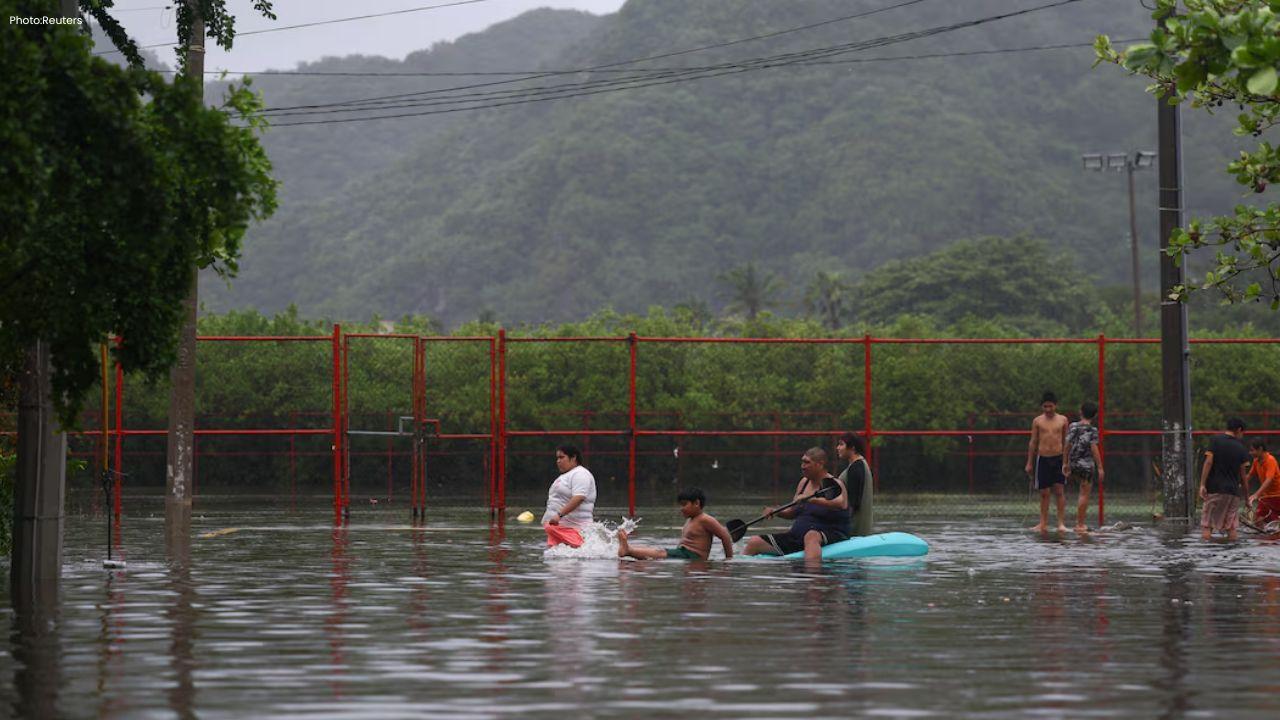
Rising sea temperatures increase atmospheric moisture. This means storms of 2026 may dump far more rain than earlier decades. Regions already vulnerable to monsoon irregularities, cyclones or tropical storms will experience heightened risk of flash floods and river overflow.
Urban development has surged, but city drainage remains outdated. Asphalt, unplanned construction and shrinking green cover reduce natural water absorption.
As a result:
moderate rain leads to waterlogging
heavy rain becomes life-threatening
extreme rain overwhelms entire districts
This mismatch between development and infrastructure is one of the biggest reasons floods are expected to intensify.
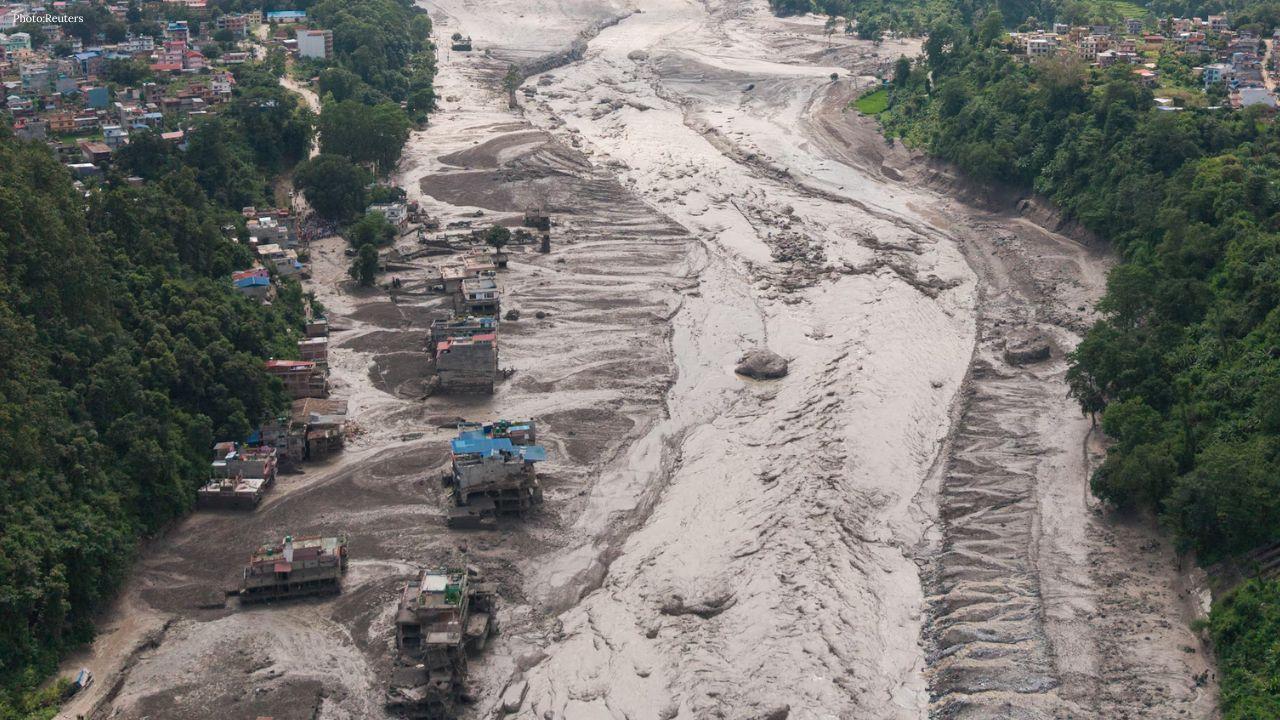
Mountain nations face a double threat — sudden glacial lake outbursts and swelling rivers. Warmer winters and early onset summers accelerate glacier melt, raising river volumes before cities or farms are ready to handle the surge.
Heatwave intensity has increased dramatically in the past five years. Forecast models show that 2026 may surpass previous temperature records, pushing many regions into dangerous heat thresholds.
Extreme heat affects:
human health
agricultural output
electricity demand
water availability
labour productivity
More people will be at risk of heatstroke, dehydration and chronic illness flare-ups.
As temperatures rise, cooling demand spikes. Air conditioners, coolers and fans require massive power supply. Fragile grids in many countries may experience:
power cuts
voltage drops
rolling blackouts
This creates a dangerous cycle — extreme heat drives power demand, but power shortages worsen heat-related illnesses.
Governments across the world borrowed heavily during recent economic disruptions. Businesses also rely on credit to survive uncertain markets. Households have taken more loans to afford rising living costs.
As interest rates rise globally, the burden becomes more suffocating. Repayments increase, refinancing becomes expensive, and defaults become more common.
Countries with weaker currencies and high import dependency will struggle with:
foreign debt repayment
fluctuating exchange rates
reduced investor confidence
pressure on government budgets
Essential services like healthcare, education and food supply programs risk underfunding.
For millions, 2026 will feel financially suffocating because:
loan EMIs increase
medical expenses rise during heatwaves
food prices surge during climate disruptions
job markets remain unstable
Families may be forced to cut discretionary spending and focus solely on survival costs.
Floods and heatwaves create immediate expenses:
relief camps
medical response teams
infrastructure repair
compensation packages
Governments already struggling with debt must stretch budgets even further, leading to more borrowing.
Floods damage crops.
Heatwaves reduce outdoor labour capacity.
Businesses close temporarily due to extreme weather.
Lower productivity means lower tax revenues, worsening debt stress.
Weather disruptions affect:
harvest cycles
crop yields
storage conditions
This increases food prices, making basic meals harder to afford.
Flood-related food shortages, heatwave-driven energy bills and debt-driven inflation will increase household expenses across:
groceries
utilities
transport
medical bills
insurance premiums
Extreme heat worsens chronic conditions such as:
hypertension
respiratory diseases
diabetes
asthma
Floods bring:
contaminated water
vector-borne diseases
sanitation breakdowns
Public health systems may struggle to keep up.
Climate disruptions affect sectors like:
agriculture
construction
tourism
retail
logistics
Workers relying on daily wages will face the harshest impact.
With growing climate risks, insurers may increase:
property insurance premiums
business interruption coverage
crop insurance costs
Small businesses may find these premiums unaffordable.
Flooded highways, overheated warehouses and power disruptions create logistical chaos. Companies will need to invest more in:
cold storage
alternate routes
backup generators
These investments increase operating costs.
When people prioritise essentials, non-essential purchases drop. Businesses in lifestyle, entertainment, fashion and travel may see lower revenue.
High population density, weak drainage, and extreme heat make South Asia highly vulnerable.
Droughts, food insecurity and debt pressure could combine dangerously in 2026.
Intensifying monsoons and rising sea levels may trigger widespread flooding.
Heatwaves and wildfire risks will continue rising, stressing public services.
A single crisis can be managed with strategic intervention.
But multiple crises together require:
massive budgets
coordinated planning
global cooperation
Most countries aren't fully prepared.
Record-breaking events are no longer rare. They are the new normal — and systems built decades ago cannot handle modern extremes.
Economic strain, global instability and continuous disruptions have left societies mentally and financially exhausted. 2026 may push resilience to its limits.
Key investments needed include:
modern drainage systems
heat-resistant infrastructure
renewable energy expansion
water management reforms
People should prioritise:
emergency funds
insurance coverage
reduced high-interest debt
energy-efficient appliances
Such as:
remote work during heatwaves
off-peak production
digital shifts to reduce physical exposure
employee heat-safety programs
People must understand:
flood evacuation plans
heatwave safety steps
hydration strategies
early-warning alerts
Floods, heatwaves and rising debt won’t affect everyone equally, but their combined effect will be felt globally. While the challenges of 2026 are significant, proactive planning, climate adaptation, financial discipline and community awareness can prevent the worst outcomes.
The year ahead may test systems, economies and families — but with strategic action, resilience is possible.
Disclaimer:
This article is for informational and editorial purposes only. It does not constitute financial, climatic or policy advice. Conditions may change, and readers should refer to official agencies for updated guidance.




Beauden Barrett Opens Up About Mental Struggles During All Blacks Exile
Beauden Barrett discusses his confidence struggles after missing six tests, his return against Austr

IMF Says AI Investment Supports Global Growth Despite Energy Shock
IMF says AI investment is supporting global growth near 3%, with Asian economies benefiting from ris

Will O'Rourke Ruled Out of New Zealand's India Series
New Zealand fast bowler Will O'Rourke will miss the India series with hamstring and calf injuries as

AI Companies Expected to Drive Most US Earnings Growth in Q3
AI companies are expected to drive US third-quarter earnings growth as investors assess tech profits

Money Market Funds See Record Inflows as Global Bond Selloff Intensifies
Global money market funds attract $153.81 billion as bond yields rise, inflation fears persist and i

Meta Bans TikTok Ads on Facebook and Instagram in Seven Countries
Meta has banned TikTok ads in seven countries, escalating competition over social media users, adver

