You have not yet added any article to your bookmarks!
Join 10k+ people to get notified about new posts, news and tips.
Do not worry we don't spam!
Post by : Meena Ariff
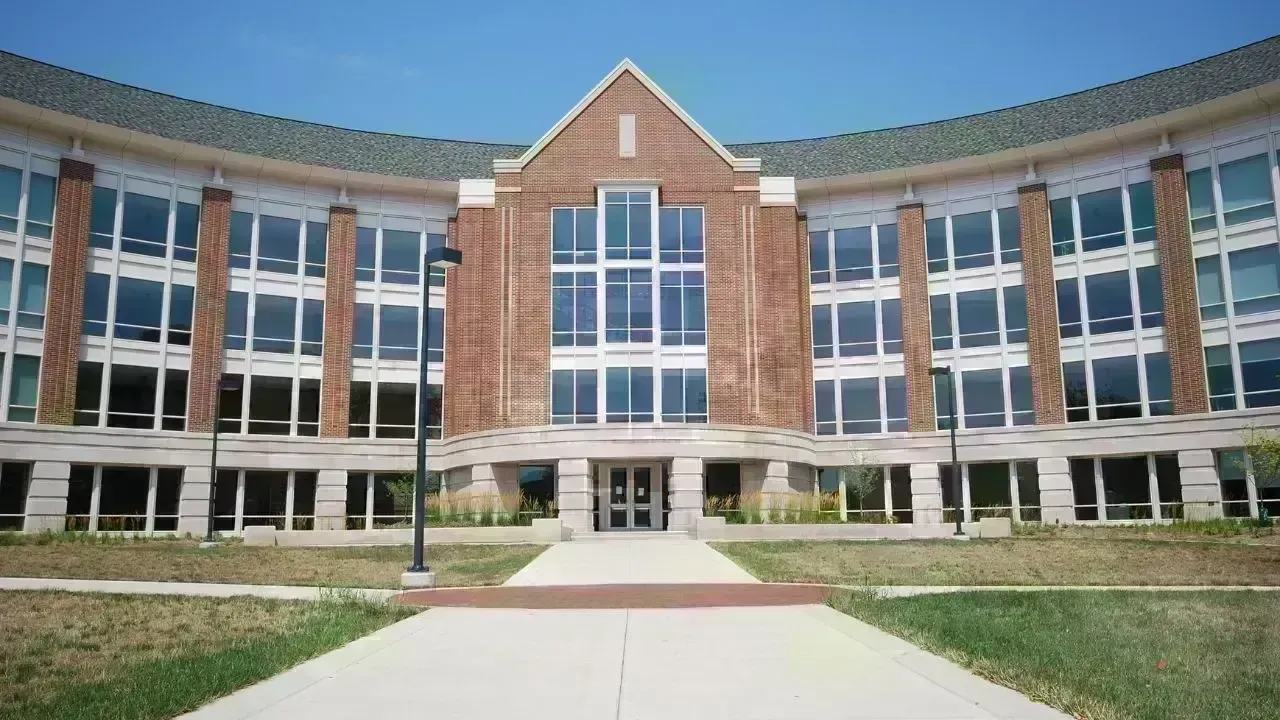
Ontario's public colleges are experiencing significant financial stress, driven by a notable decline in revenue from international students. The Ford government has initiated a detailed review of the funding mechanisms for post-secondary education.
In recent years, colleges and universities have grappled with successive budget reductions and workforce downsizing, particularly following the federal government's introduction and subsequent tightening of international student permit limits. This shift drastically decreased the influx of students that many institutions relied upon.
The challenges have been escalating. Soon after the Progressive Conservatives took office in 2018, a 10% cut to tuition fees was enacted, followed by a freeze, which compelled colleges to increasingly rely on fees from international students. Prior to the permit cap, around 30% of college revenues in Ontario originated from these students.
Nolan Quinn, the Minister for Colleges, Universities, Research Excellence and Security, has confirmed that this tuition freeze will persist at least until the close of the 2026–27 academic year. During a committee meeting, he did not provide clarity on tuition adjustments post-freeze.
NDP representative Peggy Sattler expressed concerns regarding the prevailing uncertainty, highlighting Ontario's status as having the lowest per-student funding in Canada.
“Rather than accepting accountability, it appears the government is prepared to shift more financial burdens onto the students,” she remarked.
Despite these concerns, Quinn reassured that the government is taking the matter seriously. He indicated that a comprehensive review of the funding structure is in progress, with particular attention on “weighted grant units” that correspond to specific programs, hinting that impending adjustments could be substantial.
“It’s been over a decade since we last evaluated the overarching funding formula,” noted Quinn. “Costs have evolved, and we aim to assess every aspect of it.”
Industry leaders emphasize that immediate reforms are necessary. Colleges Ontario has reported $1.8 billion in cuts, with over 600 programs suspended and approximately 8,000 jobs eliminated. They warn that the stability of the system is increasingly at risk.
Ontario's universities are experiencing similar pressures. The Council of Ontario Universities anticipates a joint deficit of $265 million this year, advocating for enhanced operational funding to ensure the ongoing health of the post-secondary education system.
“Stable and sustainable funding is crucial,” the council stated. “Ontario requires robust universities to remain competitive and to spearhead the industries shaping the province's future.”








US Security Officials Drive S. Jaishankar 416 Miles During Shutdown
US security drove External Affairs Minister S. Jaishankar 416 miles during a government shutdown to

US Pledges $45M to Strengthen Fragile Thailand-Cambodia Truce
The US will provide $45 million in aid to help stabilize the fragile truce between Thailand and Camb

U.S.-India Trade Deal Falters as Modi Skips Trump Call Says Lutnick
U.S. Commerce Secretary Lutnick reveals India wasn’t ready for a trade deal after PM Modi avoided a

Boosting Northern Luzon Economy: Marcos Jr. Inaugurates Modern Camalaniugan Bridge
President Marcos Jr. opens the ₱2.3B Camalaniugan Bridge, enhancing connectivity, trade, and economi

Trump warns China on Taiwan, says any change would upset him
Donald Trump says Taiwan’s future depends on Xi Jinping but warns he would be unhappy if China tries

Gold Prices Slide as Strong Dollar and Futures Selling Weigh
Gold prices dipped as investors adjusted positions ahead of a commodity index reshuffle, while a str