You have not yet added any article to your bookmarks!
Join 10k+ people to get notified about new posts, news and tips.
Do not worry we don't spam!
Post by : Saif Rahman
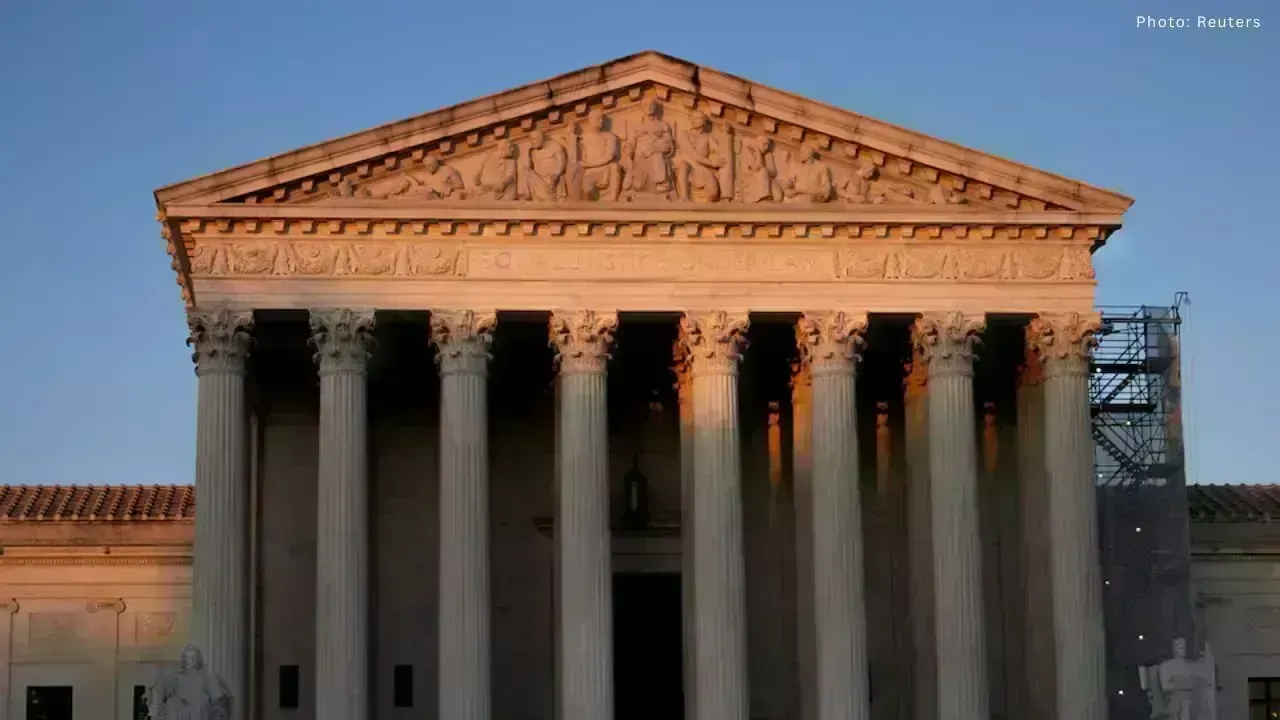
The United States Supreme Court is gearing up to release pivotal rulings that could significantly influence the nation’s economy and the scope of presidential authority. A key focus is a forthcoming decision regarding the global tariffs enacted by former President Donald Trump.
During their scheduled session on Friday, the justices may announce several verdicts. Although the specific cases poised for a decision are not disclosed in advance, considerable attention is directed towards the legal challenge against Trump’s tariffs, which affect virtually all major trading partners of the U.S.
These tariffs were put into place after Trump’s return to office in January 2025. Utilizing a 1977 emergency statute, he claimed that substantial trade deficits and drug trafficking constituted a national emergency. This policy resulted in the U.S. imposing duties on imports from various countries, notably China, Canada, and Mexico.
Subsequent rulings from lower courts determined that the president had overstepped his authority under the law. These courts ruled that the statute was not intended to facilitate such extensive trade measures. The Trump administration has contested these rulings, bringing the case before the Supreme Court.
During November’s oral arguments, justices from both conservative and liberal factions expressed skepticism regarding the alignment of the tariffs with the emergency law, suggesting a potential willingness from the court to limit presidential power in this domain.
Trump has been a vigorous defender of the tariffs, asserting that they have bolstered the U.S. economy and enhanced American leverage in global trade discussions. Recently, he cautioned that an adverse ruling could detrimentally affect the nation.
The legal initiative against the tariffs comes from businesses impacted by increased import costs and 12 U.S. states, primarily led by Democratic governors. They argue that these tariffs have inflated consumer prices and disrupted supply chains.
The implications of this ruling extend far beyond U.S. borders. A verdict against the tariffs might alter global trade dynamics and unsettle financial markets. Moreover, it would delineate the extent of presidential powers regarding economic policy implemented through emergency measures.
In the weeks ahead, the court is anticipated to decide on various significant issues, encompassing voting rights and free speech. Collectively, these rulings could shape U.S. legal frameworks and political landscapes for years to come.
As the world observes, the Supreme Court’s verdict in the tariff case will represent a crucial moment in clarifying the balance between presidential powers and judiciary oversight.
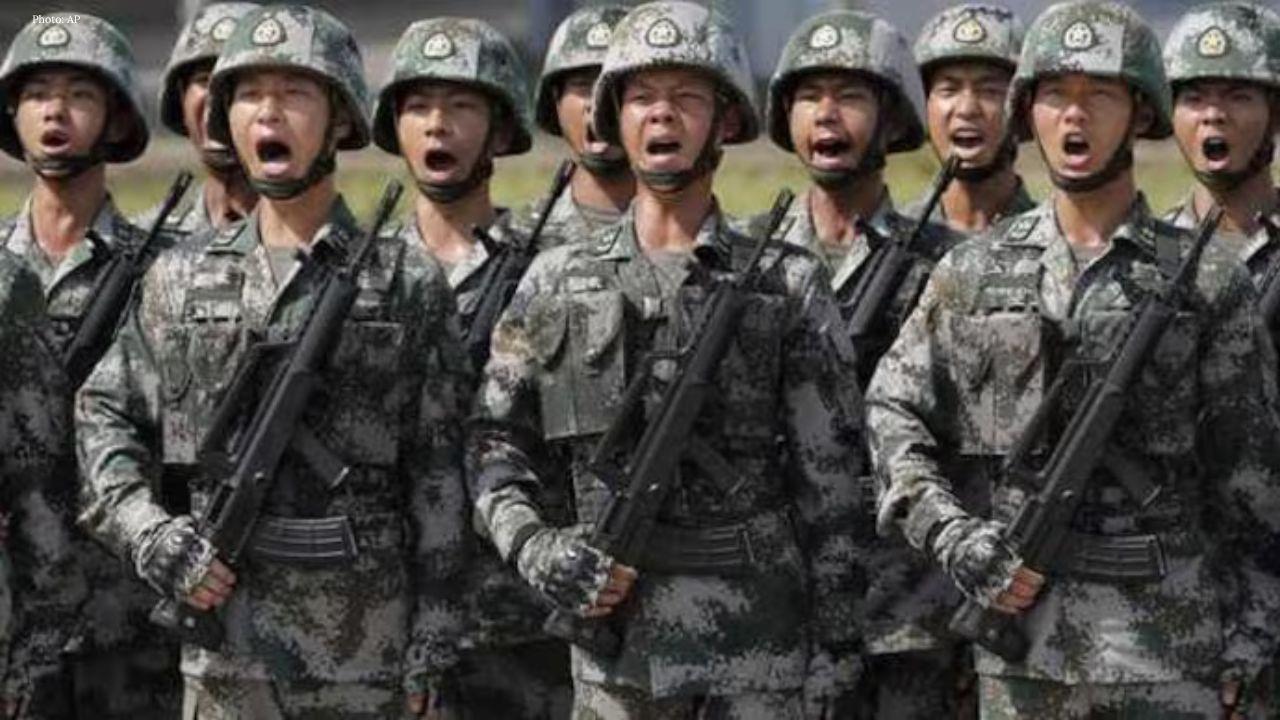






China Ousts Three Retired Generals from Top Political Advisory Body
CPPCC ousts retired PLA generals ahead of annual Two Sessions as broader anti‑corruption military sh

Japan Jobless Rate Rises to 2.7%
Japan sees first increase in jobless rate in five months as voluntary quits rise and job openings sl

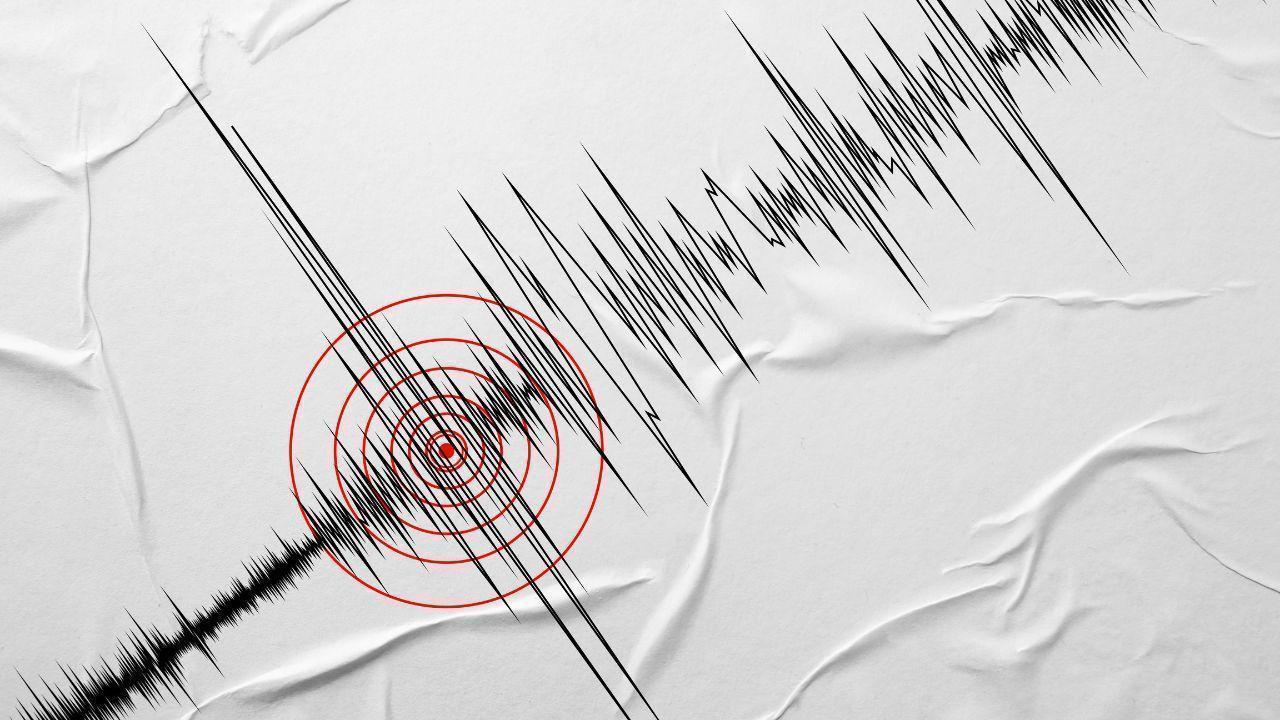
Strong 6.1-Magnitude Earthquake Shakes Indonesia’s Sumatra Island
Tremors felt across region no immediate reports of damage or casualties as authorities monitor seism

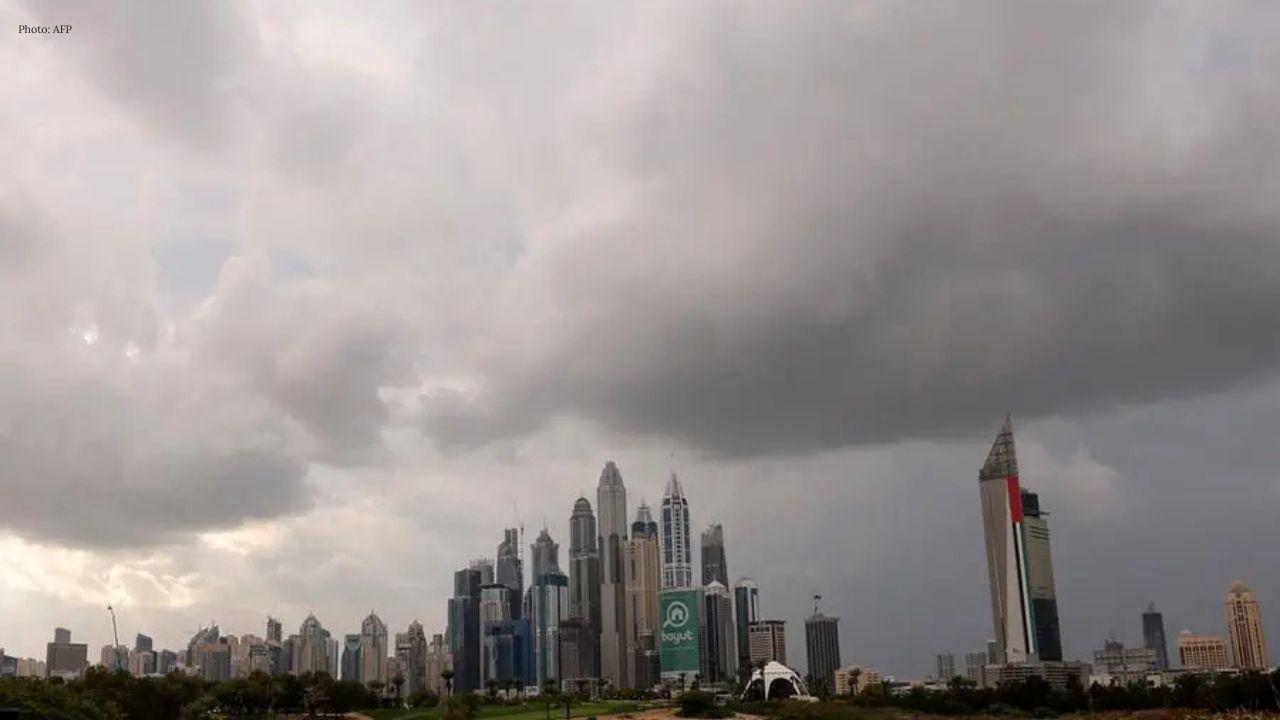
Rizwan Sajan Reaffirms Trust in UAE’s Safety and Growth
Danube Group Chairman Rizwan Sajan assures residents and expatriates of safety in UAE, highlighting

India Witnesses Chandra Grahan Blood Moon Visible in Parts of World
Skywatchers observe partial eclipse in India as total ‘Blood Moon’ visible across North America Aust

14 Pakistan Players Shortlisted for The Hundred 2026
ECB reiterates nationality will not influence selections as Haris Rauf and Shaheen Afridi headline P