
You have not yet added any article to your bookmarks!
Join 10k+ people to get notified about new posts, news and tips.
Do not worry we don't spam!
Post by : Anis Farhan
Every quarter, economies release figures that decide political futures, corporate confidence, and global rankings. Gross Domestic Product, or GDP, has become the scoreboard of modern society. When it rises, leaders celebrate. When it slows, concern spreads. But quietly, another kind of number has been rising at the same time — hospital visits, respiratory failures, heart attacks, mental breakdowns, and climate-linked disease.
The problem is not that GDP lies.
The problem is that GDP is incomplete.
Economic growth may suggest progress, but it tells us nothing about whether people are breathing clean air, drinking safe water, or sleeping through cool nights. A nation can grow richer on paper while bodies grow weaker in silence.
Climate change is not happening in the environment alone anymore.
It is happening inside human bodies.
And GDP does not count that.
GDP measures the total value of goods and services produced by a country. It captures construction, production, services, exports, and spending. It tells us how busy the economy is.
It does not tell us:
Who gets sick
Who dies early
Who breathes poorly
Who drinks toxic water
Who loses mental stability
Who suffers daily stress due to climate extremes
Hospitals may overflow and GDP may still grow.
GDP can rise while health collapses.
A heatwave does not reduce GDP when:
Electricity usage increases
Hospitals charge fees
Water companies raise supply costs
Reconstruction work begins
In fact, suffering can increase GDP activity.
Disease, disaster, and distress can all be profitable.
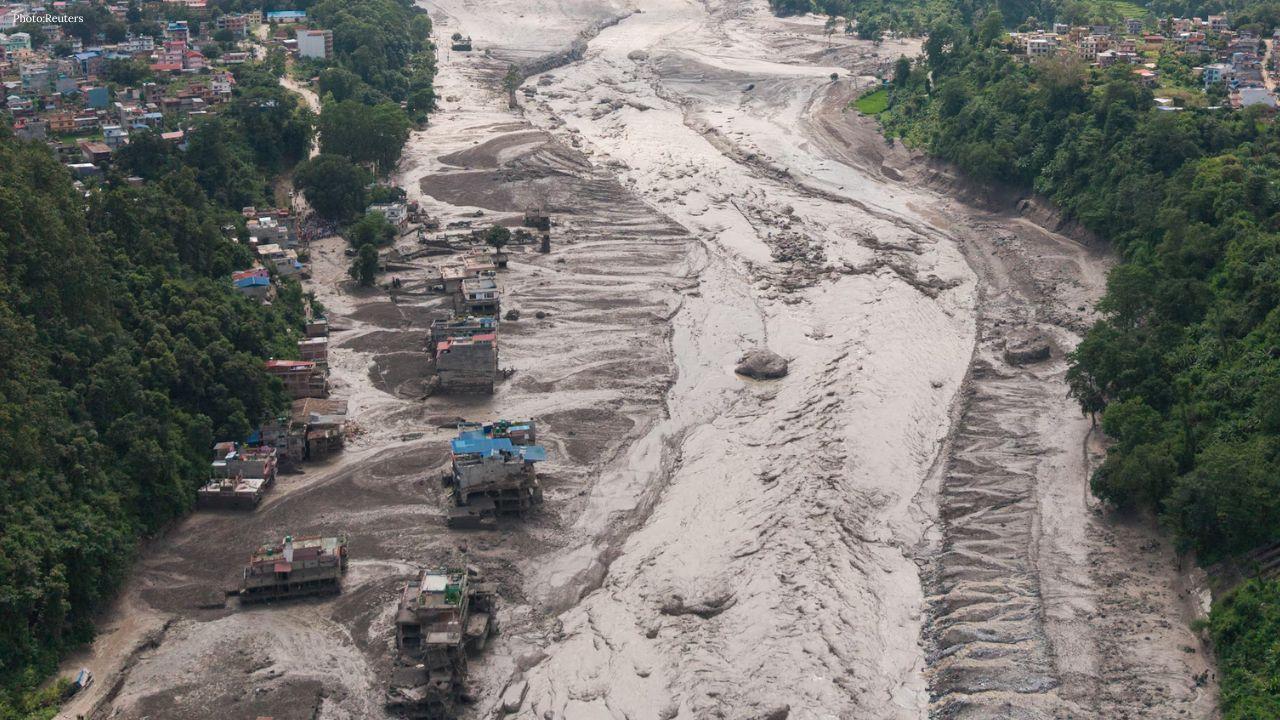
From an economic lens, a flood is “productive activity.”
From a human lens, it is devastation.
GDP counts the rebuild.
It ignores the breakdown.
Prolonged heat does not just cause discomfort. It causes:
Dehydration
Heatstroke
Kidney failure
Cardiac stress
Premature death
Yet national budgets record:
Higher power sales
More cooling equipment purchases
Increased healthcare spending
GDP celebrates activity.
It does not mourn victims.
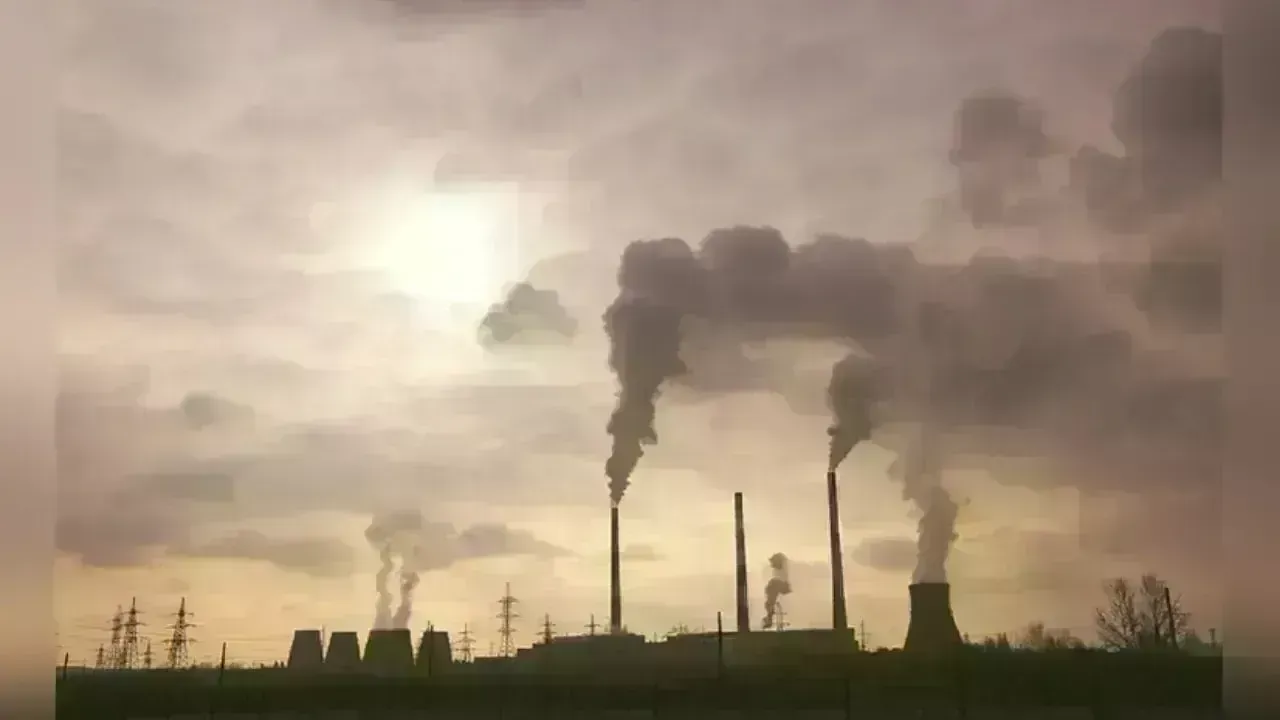
Dirty air weakens lungs, damages hearts, and shortens lifespans.
But GDP sees:
Industrial output
Vehicle sales
Construction growth
It does not see:
Childhood asthma
Lung cancer
Elderly breathlessness
Cardiac arrests
Factories increase national income.
They also increase funerals.
That second figure never appears in growth reports.
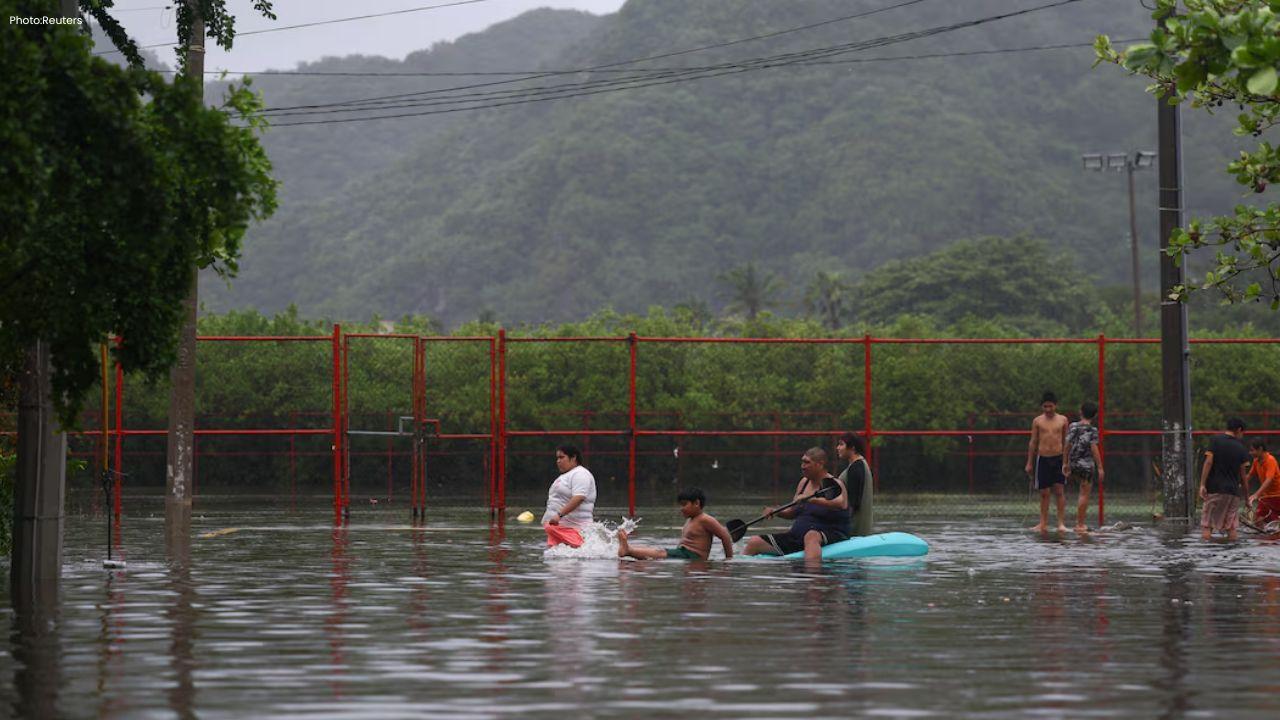
Waterborne diseases surge after floods.
Hospitals fill with cases of:
Diarrheal infection
Skin disease
Fever outbreaks
Parasitic infections
Families lose homes.
Children miss school.
Workers lose income.
GDP sees:
Relief spending
Infrastructure rebuilding
Increased supply demand
It ignores:
Trauma
Malnutrition
Sleepless nights
Loss of dignity
Years of health setbacks
Drought is not dramatic.
It is deadly in slow motion.
It produces:
Malnutrition
Dehydration
Pregnancy complications
Child stunting
Mental stress
Farmer suicides
Grain prices may rise.
GDP counts market volatility.
It does not count despair.
Diseases do not respect borders.
Climate change shifts environments.
And disease shifts with it.
Warmer temperatures allow disease-carrying insects to survive in new zones.
This expands:
Malaria
Dengue
Chikungunya
Zika
Yellow fever
Health systems suffer.
GDP runs blind.
Frozen regions are thawing.
Along with ice, ancient bacteria awaken.
Communities unprepared for disease face outbreaks without immunity.
Economics records nothing.
Medicine records everything.
Climate damage does not only wound bodies.
It breaks minds.
Farmers watch crops fail.
Coastal families fear every tide.
Urban dwellers live under permanent heat stress.
The psychological result:
Anxiety
Depression
Climate dread
Abandonment trauma
Community instability
Youth hopelessness
GDP displays growth charts.
Psychiatrists handle emotional collapse.
There is no line item for:
Fear
Trauma
Sleeplessness
Depression
Grief
Healthcare costs may rise, but suffering remains unpriced.
Mental health damage does not count unless monetized.
And most pain is never billed.
Children grow inside climate change.
And it imprints on them early.
Consequences include:
Reduced lung capacity
Hormonal disturbance
Malnutrition
Learning difficulties
Emotional instability
GDP registers future productivity potential.
It does not register damaged childhood.
Children malnourished today lower tomorrow’s workforce quality.
But GDP focuses only on present value.
It does not invest intellectually in health inheritance.
Nations may get rich today.
They grow sick tomorrow.
Climate-linked disease is filling medical systems.
Resources are reallocated from:
Education
Innovation
Housing
Civil infrastructure
toward emergency and treatment.
Money flows.
GDP grows.
But it grows in response to injury.
National income becomes treatment expenditure.
Sick populations do not perform well.
Heat reduces labor efficiency.
Respiratory disease reduces endurance.
Mental illness damages focus.
The world now loses work hours due to climate stress more than strikes ever caused.
GDP may still rise.
But performance falls.
Healthcare becomes the new infrastructure cost.
A factory is “development.”
Clean water is survival.
An industrial park is “economic success.”
Breathing is not measured.
When development poisons health, it is not development.
It is accounting.
Some of the fastest growing regions also face the worst air and water quality.
Growth does not equal safety.
In some cases, it destroys it.
It is:
Easy to compare
Easy to announce
Easy to manipulate
Easy to celebrate
Easy to politicize
Health metrics are complex.
Deaths are inconvenient.
Diseases are uncomfortable.
Mental health cannot be faked.
Governments like economic success.
They avoid biological decline.
Governments spend more on:
Repairs
Hospital beds
Disaster relief
Insurance payouts
They spend less on:
Clean air
Public health
Disease prevention
Heat infrastructure
GDP rewards recovery, not protection.
Society profits from fixing damage.
Not preventing it.
A modern economy must measure:
Life expectancy
Disease rates
Mental health stability
Water quality
Temperature impact
Hospital accessibility
Air safety
Money matters.
But breath matters more.
A wealthy nation with sick citizens is not advanced.
It is temporary.
Money cannot replace lungs.
GDP cannot buy lost lives.
No number compensates for disease.
Medical systems were built for:
Infections
Accidents
Aging populations
They were not built for:
Heat death
Climate disease
Pollution crises
Mental health epidemics
Water contamination
When hospitals crack, economies follow.
Environment ministries focus on trees.
Health ministries focus on beds.
Economy ministries focus on money.
No one focuses on overlap.
But climate feeds illness.
Illness drains economies.
The system is one circle.
Broken into pretending lines.
GDP allows a nation to grow at the expense of:
Children
Elderly
Poor
Farmers
Coastal families
Factory workers
It measures profit.
Not pain.
If prosperity kills, something is broken.
This question unsettles policymakers.
Changing GDP would change:
Election narratives
Budget priorities
Industry pressure
National rankings
Global perception
But refusing to change it will:
Collapse health systems
Create medical poverty
Shorten lifespans
Destroy public trust
The real risk is not measuring health.
It is ignoring it.
A nation without health has:
No productivity
No creativity
No stability
No future
No workforce
No peace
Hospitals become warzones.
Doctors become soldiers.
Citizens become patients.
This is not growth.
It is national erosion.
We can keep celebrating decimals.
Or we can start counting heartbeats.
GDP tells us how busy the economy is.
It does not tell us how sick the people are.
Climate change is not just melting ice.
It is melting health.
And the longer national success is measured in money alone, the more citizens will pay in blood, breath, and broken minds.
A rising economy with declining health is not a success story.
It is a delayed tragedy.
Until policy counts lungs, not just factories,
Until budgets protect bodies, not just profits,
Until leaders measure life, not just output,
we will remain numerically rich and biologically poor.
Disclaimer:
This article is for informational and educational purposes only. It does not substitute medical, environmental, or economic advice. Readers are encouraged to consult professional and scientific sources for individual guidance.





Beauden Barrett Opens Up About Mental Struggles During All Blacks Exile
Beauden Barrett discusses his confidence struggles after missing six tests, his return against Austr

IMF Says AI Investment Supports Global Growth Despite Energy Shock
IMF says AI investment is supporting global growth near 3%, with Asian economies benefiting from ris

Will O'Rourke Ruled Out of New Zealand's India Series
New Zealand fast bowler Will O'Rourke will miss the India series with hamstring and calf injuries as

AI Companies Expected to Drive Most US Earnings Growth in Q3
AI companies are expected to drive US third-quarter earnings growth as investors assess tech profits

Money Market Funds See Record Inflows as Global Bond Selloff Intensifies
Global money market funds attract $153.81 billion as bond yields rise, inflation fears persist and i

Meta Bans TikTok Ads on Facebook and Instagram in Seven Countries
Meta has banned TikTok ads in seven countries, escalating competition over social media users, adver

