
You have not yet added any article to your bookmarks!
Join 10k+ people to get notified about new posts, news and tips.
Do not worry we don't spam!
Post by : Samjeet Ariff
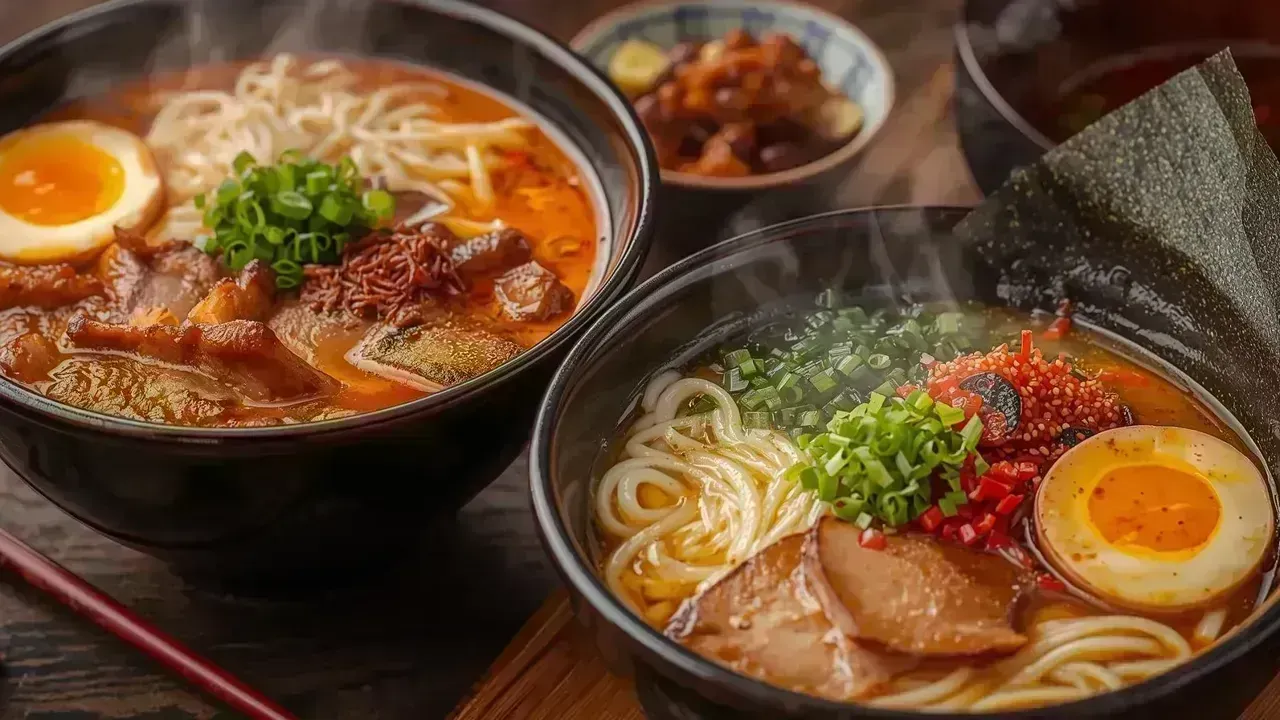
Japanese ramen transcends simple noodles in broth; it symbolizes regional cultures rich in diversity. Each bowl is uniquely crafted, influenced by local ingredients, climatic conditions, and historical backgrounds. This detailed guide explores popular ramen varieties, such as Tonkotsu, Shoyu, and Miso, offering food enthusiasts insight into flavors, toppings, and what to experience.
The distinct nature of ramen arises from four primary components: the broth base, tare (seasoning), noodles, and toppings. Various regions take unique approaches depending on local ingredient availability and taste perceptions. Cold climates typically favor richer broths, while warmer regions prefer lighter flavors.
Originating from Fukuoka in southern Japan, Tonkotsu ramen is famed for its rich, creamy broth made by slow-simmering pork bones, allowing collagen and marrow to meld.
Broth Characteristics
Thick, milky white pork bone broth
Profound umami flavor paired with a rich mouthfeel
Noodle Profile
Thin, straight noodles complementing the hearty broth
Common Additions
Chashu pork slices
Soft-boiled egg
Green onions
Wood ear mushrooms
Tonkotsu ramen is indulgent and filling, attracting those who appreciate bold and creamy flavors.
Shoyu ramen, one of Japan’s most traditional and prevalent styles, hails from Tokyo, recognized for its clear brown broth infused with soy sauce.
Broth Characteristics
Light to medium-bodied broth featuring chicken, seafood, or a blend
Salty, savory undertones from the soy sauce
Noodle Profile
Medium-thin, slightly curly noodles
Typical Toppings
Chashu pork
Bamboo shoots
Nori seaweed
Green onions
The balanced and comforting essence of Shoyu ramen makes it perfect for everyday dining.
Miso ramen, originating from Hokkaido, is designed for cold weather, featuring a hearty and warming character.
Broth Characteristics
Robust broth derived from fermented soybean paste
Savory with a subtly sweet balance
Noodle Profile
Thick, curly noodles that hold onto the rich broth
Common Additions
Corn
Butter
Bean sprouts
Ground pork
Together with its bold and flavorful approach, Miso ramen is favored in winter for those craving comfort.
The lightest variant, Shio ramen, relies on salt for seasoning, accentuating the pure flavors of its ingredients.
Broth Characteristics
Clear, light, and refreshing
Seafood or chicken-based broths
Noodle Profile
Thin, straight noodles
Common Toppings
Chicken slices
Fish cake
Seaweed
Green onions
Ideal for those seeking a lighter and subtler dining experience.
Beyond mainstream styles, Japan’s regional ramen variances highlight local creativity in dishes.
Hakata ramen (Fukuoka) features Tonkotsu broth with ultra-thin noodles.
Sapporo ramen (Hokkaido) is a miso variety celebrated for its use of corn and butter.
Kitakata ramen (Fukushima) showcases a soy-based broth accompanied by thick, flat noodles.
Onomichi ramen (Hiroshima) offers soy sauce broth enriched with chicken and small fish, topped with floating pork fat.
Wakayama ramen masterfully blends soy sauce and pork bone broth to create a unique experience. Each regional variant highlights local tastes, making ramen exploration a delightful adventure.
The characteristics of noodles—thickness, texture, and firmness—are crucial to the ramen experience. Thin noodles are best paired with rich broths like Tonkotsu, while thicker or curly varieties complement dense broths such as Miso. Many shops allow patrons to customize noodle firmness, especially in Tonkotsu ramen.
Toppings differ by region and establishment, though common choices include pork slices, eggs, seaweed, bamboo shoots, and green onions. Additional elements like butter and corn may appear based on locale. Diners can often customize spice levels, garlic, and noodle texture to suit their preferences.
First-timers may find Shoyu ramen to be a comforting introduction due to its balanced profile. Those inclined towards richer soups may opt for Tonkotsu, whereas visitors in colder areas might gravitate towards Miso ramen. Shio ramen serves well for those seeking a lighter fare.
Traditionally, ramen is consumed swiftly while piping hot. Slurping the noodles is not only acceptable but encouraged to enhance flavor and cool them down. Most ramen establishments prioritize a casual atmosphere centered on quick service rather than extended dining.
Ultimately, Japanese ramen is a testament to regional heritage, climate, and culinary creativity. From the richness of Tonkotsu to the balance of Shoyu, the warmth of Miso, and the regional specialties, there’s a vast world of flavors to discover. Sampling different ramen types across Japan provides a unique lens through which to experience its rich culinary culture.
This article aims to inform readers. Ramen recipes, tastes, and preparation may differ by region and restaurant. Individual preferences vary, and availability may change based on locale and season.










Google Signs 3.6-GW Power Deal With Constellation Energy in US
Google signs a 3.6-GW power deal with Constellation Energy, including nuclear power upgrades to supp

Harmanpreet Kaur Steps Down as India Captain Across All Formats
Harmanpreet Kaur steps down as India captain across all formats after a remarkable leadership journe

Michael Bracewell Chooses Casual Contract, Targets BBL Opportunity
Michael Bracewell moves to a casual contract as he eyes a BBL opportunity while remaining available

Tuchel Says Alex Scott Can Challenge Declan Rice for England Midfield Spot
Thomas Tuchel says Alex Scott can challenge Declan Rice for an England midfield place after his impr

Air Quality Turns Unhealthy in Central and Western Singapore Amid Haze
Singapore haze pushes PSI above 100 in central and western areas as smoke from regional hotspots rai

PM Modi Pays Tribute to Mahatma Gandhi, Urges People to Support Khadi
PM Modi pays tribute to Mahatma Gandhi on Gandhi Jayanti and urges citizens to support Khadi and the

