
You have not yet added any article to your bookmarks!
Join 10k+ people to get notified about new posts, news and tips.
Do not worry we don't spam!
Post by : Samjeet Ariff
Environmental changes are increasingly present in our everyday existence, moving beyond mere discussions in global forums. These shifts are now observable and felt at a personal level, impacting the food we consume, the air quality we experience, and our daily activities. As many of these changes occur subtly over time, they often go unnoticed until their effects become severe.
This article highlights the significant environmental transformations influencing our daily lives, outlines their manifestations in common habits, and underscores the importance of awareness for individuals and communities.
One of the most apparent environmental issues is the persistent increase in both global and local temperatures.
Increased risk of heat exhaustion and dehydration
Higher electricity costs from cooling demands
Decreased productivity for outdoor laborers
Disrupted sleep patterns due to warmer nights
Longer and more frequent heat waves now present risks to both health and economic stability.
Groups such as the elderly, children, outdoor workers, and those with chronic conditions face increased risks from heat-related illnesses. Daily schedules are increasingly adapted to dodge peak heat periods.
Air pollution has emerged as a pervasive daily hazard, even in cities that were once deemed safe.
Emissions from vehicles
Dust from construction sites
Industrial emissions
Wildfires and agricultural burning
Rising cases of allergies and asthma
Increased headache and eye irritation
Less outdoor activity
Greater reliance on air purifiers and masks
Poor air quality critically undermines work productivity, school attendance, and healthcare costs.
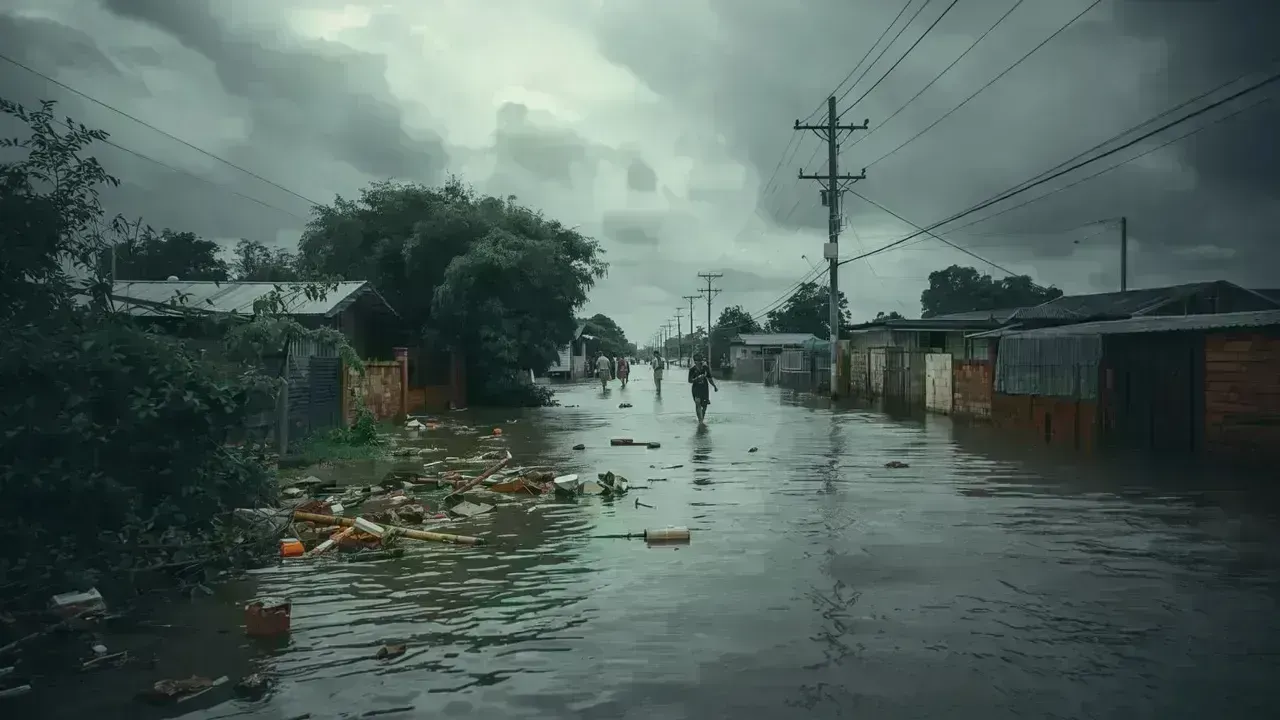
Rain patterns have become erratic—alternating between floods and drought.
Urban flooding disrupting transportation
Water scarcity in dry spells
Infrastructure damage
Increased costs for water storage and purification
Daily routines like commuting, water usage at home, and sanitation are now dictated by water supply availability.
Environmental degradation has adversely affected the quality of both surface and groundwater.
Increased reliance on water filtration
Higher consumption of bottled water
Worries about contamination and related health risks
Escalating household costs
In many regions, access to clean water poses a daily challenge.
Environmental changes are transforming the ways in which food is cultivated, transported, and priced.
Crops failing due to heat or flooding
Reduced nutritional quality of food items
Increased reliance on food imports
Escalating food prices
These developments influence meal planning, nutrition, and budgeting at home.
Seasonal patterns have become increasingly erratic.
Uncertainty in clothing choices
Health challenges from sudden temperature swings
Complexities in agricultural planning
More frequent illnesses during transitional weather
People now navigate numerous weather extremes within brief timeframes, affecting their physical and emotional well-being.
Environmental uncertainties contribute to ongoing psychological strain.
Anxiety surrounding extreme weather events
Stress from the rising cost of living
Fear of long-term environmental instability
Lessened sense of safety
This type of stress, often termed environmental anxiety, disrupts focus, sleep, and emotional harmony.
Extreme weather has become a common occurrence.
Flooded streets and damaged properties
Service interruptions due to power outages
Impaired internet and communication abilities
Emergencies requiring evacuations
These disruptions interfere with daily living, work, and healthcare access.
Cities face particular vulnerabilities in response to these environmental changes.
Heat islands causing elevated local temperatures
Drainage systems struggling during heavy rain
Reduction of green areas
Increased exposure to pollution
Living in urban settings requires strategic adjustments, impacting commute and housing decisions.
Environmental changes are directly impacting energy consumption.
Higher electricity demands
Increased fuel prices
More focus on energy-efficient appliances
Shift towards renewable energy practices
Households are becoming increasingly aware of their energy consumption patterns in light of fluctuating costs and reliability.
The pressures from the environment have heightened awareness of waste issues.
More systematic waste sorting
Reduction in plastic use
Grand shift towards reusable options
Community recycling initiatives
Daily decisions now include environmental considerations that many are becoming increasingly aware of.
Changes in the environment heighten exposure to health dangers.
Heat-related health issues
Waterborne illnesses
Respiratory diseases
Skin ailments
Preventive health practices are becoming essential components of everyday life.
Environmental elements are dictating our mobility.
Road repairs due to flood damage
Heightened fuel usage
Shift towards public transportation or electric vehicles
Delays in travel caused by weather issues
Planning for transportation now necessitates considering environmental factors.
Environmental shifts are influencing work settings.
Lower productivity levels during extreme heat
Increased sick leaves
Rise of remote work due to environmental uncertainties
Costs associated with adapting infrastructure
Both employees and employers must modify their work environments in line with these evolving conditions.
The impact of these changes is not uniform.
Inconsistent access to clean air and water
Semi-urban and lower-income areas facing more exposure
Limited resources available for adaptation
Environmental changes exacerbate inequities, making everyday survival increasingly complex for marginalized groups.
Individuals are making meaningful adjustments in response to environmental issues.
Paying closer attention to weather forecasts
Altering food choices
Investing in health and safety measures
Backing sustainability initiatives
Daily decision-making now incorporates adaptation practices.
Comprehending environmental changes enables proactive engagement rather than reactionary fears.
Awareness fosters:
More effective planning
Enhanced health safeguards
Financial readiness
Strong community initiatives
Disregarding these changes elevates long-term risks.
Environmental transitions will likely continue shaping daily experiences. The focus should be on preparedness, resilience, and informed decisions. Minor changes today can alleviate stress and elevate quality of life tomorrow.
The impact of environmental changes on daily life is significant and multifaceted. From personal health and nutrition to work-related challenges and mental health, recognizing these trends enables individuals to adapt, safeguard their well-being, and make responsible choices that support both individual stability and ecological balance.
This article is intended for informational and educational purposes. Environmental impacts can vary by geography, lifestyle, and individual circumstances. The content does not substitute for professional environmental, medical, or policy advice. Readers should seek expert direction for localized or health-related inquiries.










PM Modi Pays Tribute to Mahatma Gandhi, Urges People to Support Khadi
PM Modi pays tribute to Mahatma Gandhi on Gandhi Jayanti and urges citizens to support Khadi and the

Amazon Seeks to Offload $8 Billion in Nvidia Chips to Investors
Amazon plans to move $8 billion in Nvidia chips to investors, using a new financing model to strengt

Samsung Raises Galaxy S26 Prices as Memory Chip Costs Rise
Samsung raises Galaxy S26 prices in South Korea as rising memory chip costs put pressure on smartpho

Lewis Hamilton Calls Singapore Grand Prix One of F1's Toughest Races
Lewis Hamilton discusses the demanding Singapore Grand Prix and brings Plus44 and Almave to Singapor

Denmark's Pandora Opens World's Largest Jewellery Factory in Vietnam
Pandora opens its largest jewellery factory in Vietnam, expanding global production, strengthening s

Gautam Gambhir Questions Batting-Friendly Pitches After India's Record ODI Chase
Gautam Gambhir questions batting-friendly ODI pitches after India’s record chase, calling for a bett

