
You have not yet added any article to your bookmarks!
Join 10k+ people to get notified about new posts, news and tips.
Do not worry we don't spam!
Post by : Anis Farhan
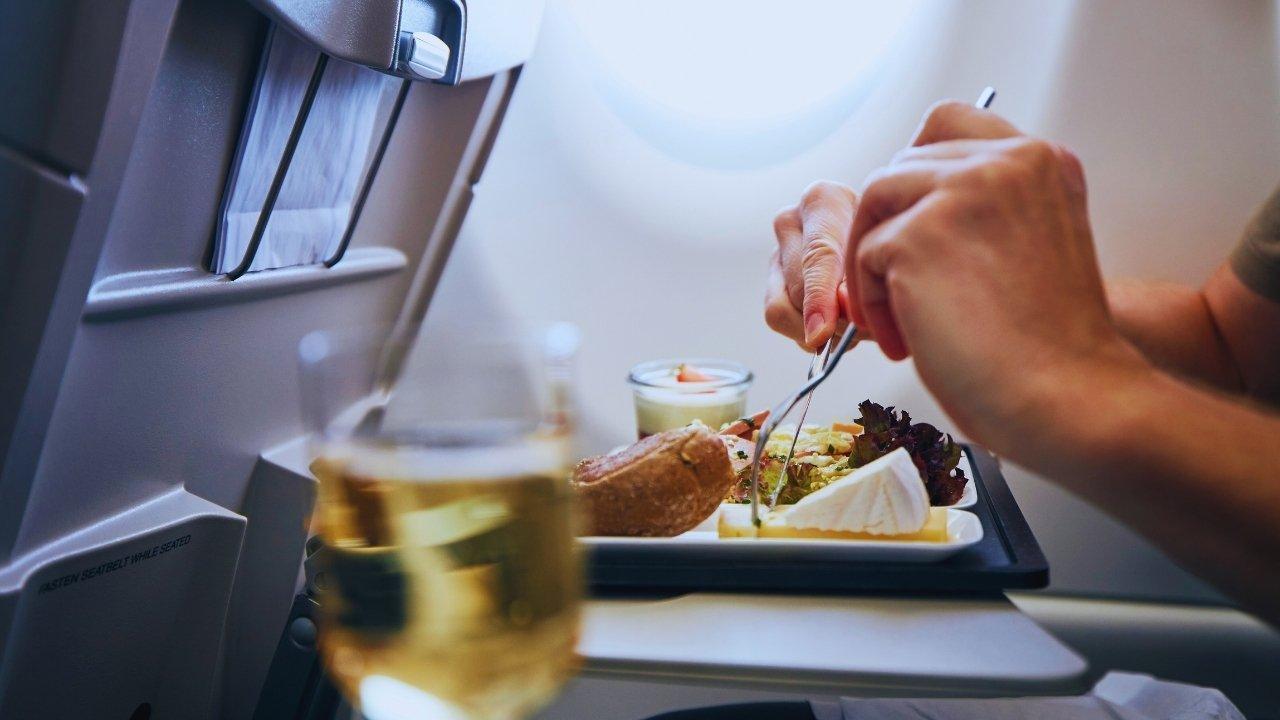
Gone are the days when airline meals were a universal disappointment. Once considered bland, pre-packaged, and uninspired, in-flight dining has entered a golden age of reinvention. As competition among airlines intensifies, the onboard meal has become a symbol of brand identity and luxury. What used to be a perfunctory service item is now a core part of the travel experience — an expression of culture, creativity, and care.
This evolution isn’t merely about taste; it’s about experience. Travelers today expect restaurant-quality meals, customizable menus, and environmentally responsible sourcing, even when flying across continents. With passengers spending more hours in transit and seeking comfort and personalization, airlines have no choice but to raise the bar — literally and figuratively — on what’s served at 30,000 feet.
The shift in in-flight dining began with the realization that food isn’t just sustenance; it’s an emotional experience. Leading carriers like Singapore Airlines, Emirates, Qatar Airways, and Turkish Airlines have invested heavily in celebrity chef collaborations and global menu curation. Passengers can now enjoy regionally inspired dishes — from dim sum breakfasts to Middle Eastern mezze platters — created with fine-dining precision.
Some airlines have even built ground kitchens equipped with Michelin-level facilities, ensuring ingredients are handled with the same standards as high-end restaurants. Japan Airlines, for example, offers multi-course kaiseki meals that reflect Japan’s meticulous culinary heritage, while Emirates has elevated first-class dining with onboard chefs preparing customized dishes in real time.
What many passengers don’t realize is that taste perception changes dramatically at high altitudes. The dry cabin air and pressurized environment can dull the senses, reducing our ability to detect sweetness and saltiness by up to 30%. This makes designing in-flight meals a scientific challenge as much as a culinary one.
To overcome this, airlines work closely with food scientists and nutritionists. Recipes are specifically adjusted to enhance umami flavors, balance spices, and maintain freshness despite cabin conditions. Chefs also rely on herbs, citrus, and natural seasonings rather than excess salt or sugar to keep meals flavorful.
This scientific approach has given rise to a new era of “aerogastronomy” — the art and science of eating well above the clouds.
Modern travelers are increasingly eco-conscious, and airlines are responding with greener dining solutions. Plastic cutlery and packaging are being replaced with biodegradable materials, and partnerships with sustainable farms are becoming the norm.
Carriers like KLM and Lufthansa have introduced menus featuring locally sourced ingredients and reduced meat portions to lower carbon emissions. Even waste management has gone digital — AI systems predict passenger consumption to minimize food waste. Some airlines now compost unused ingredients or donate surplus food to charities upon landing.
Sustainability doesn’t just end with the meal. Beverage selections are following suit — organic wines, ethically sourced coffee, and plant-based milk options are now part of premium cabin offerings.
Technology has become a defining force in reshaping in-flight dining. Airlines are adopting digital platforms that allow passengers to pre-order meals days before their flight, ensuring better customization and fresher ingredients.
Artificial intelligence now plays a major role in predicting passenger preferences based on previous bookings, dietary restrictions, and even destination cuisines. For instance, a traveler heading to Tokyo might be offered a choice between Japanese-inspired meals or lighter options designed for jet lag management.
AI also helps optimize supply chains, ensuring each flight is loaded with just the right number of meals, minimizing waste while maximizing satisfaction.
Health and wellness have taken center stage in the air just as they have on the ground. The post-pandemic traveler is more conscious about nutrition, immunity, and hydration. Airlines have responded with plant-forward menus, low-sodium options, and meals rich in antioxidants.
Qatar Airways, for example, has introduced vegan fine-dining options crafted by world-renowned chefs, featuring dishes like grilled tofu steaks, beetroot carpaccio, and quinoa salads. Similarly, Air France offers light and balanced menus designed to enhance digestion and energy levels during long-haul flights.
The rise of plant-based dining isn’t just about catering to dietary preferences — it’s also a sustainability choice, helping airlines reduce their environmental footprint while appealing to modern sensibilities.
First-class and business-class passengers are experiencing a new era of airborne indulgence. Instead of pre-packaged trays, meals are now plated with fine china, silver cutlery, and artisan glassware. Some airlines feature in-flight sommeliers who pair wines and champagnes with each course, turning the sky into a Michelin-worthy dining room.
Emirates’ first-class service, for example, allows passengers to dine à la carte at any time, with menus featuring caviar, seared beef tenderloin, and signature desserts. Etihad Airways has transformed its “Residence” suites into private dining spaces, where personal chefs customize each meal according to preference.
Even mid-tier airlines are enhancing premium economy experiences, offering upgraded menus and curated beverage lists to bridge the gap between comfort and affordability.
Behind the scenes, technology is also transforming airline catering operations. Robotic kitchens and automated food assembly lines have become essential to handle mass production efficiently while maintaining quality.
AI-based monitoring systems ensure temperature consistency, ingredient traceability, and timely delivery to aircrafts. Machine learning algorithms forecast popular meal choices for specific routes — ensuring that a flight from Dubai to Paris carries a different culinary theme from one flying to Bangkok.
These innovations are reducing errors, cutting costs, and speeding up turnaround times without compromising flavor or safety.
Dining on a plane is more than an act of eating — it’s an experience shaped by psychology. Airlines have learned that presentation, aroma, and even sound affect passenger satisfaction. Subtle ambient lighting, elegant plating, and the right cabin aroma can dramatically elevate how food is perceived.
British Airways, for example, introduced curated playlists that complement meal services, while Emirates uses cabin lighting to synchronize with the natural circadian rhythm, enhancing appetite and comfort. The entire experience — from the sound of the cutlery to the fragrance of fresh bread — contributes to how passengers remember their flight.
The future of in-flight dining lies in storytelling and authenticity. Airlines are now curating regional tasting menus that reflect local culture and heritage, giving passengers a sense of connection to their destination before they even land.
Travelers may enjoy a taste of Italy en route to Rome, complete with artisanal cheeses and freshly baked focaccia, or savor Middle Eastern delicacies like hummus, kabsa, and rosewater desserts when flying through the Gulf.
This cultural infusion not only enhances the dining experience but also strengthens the airline’s brand identity as a global ambassador of hospitality.
In the next decade, in-flight dining could become entirely digitized and sensory-driven. Smart tray tables may display nutritional information in real time, while augmented reality menus could let passengers preview their meals before ordering.
AI-powered assistants will remember a traveler’s past choices and dietary habits, suggesting curated dishes for each journey. With 3D food printing on the horizon, passengers might soon enjoy freshly prepared meals customized by taste, nutrition, and cultural preference — right in their seats.
At 30,000 feet, dining will no longer be a challenge of logistics — it will be a celebration of innovation, sustainability, and personalization.
The transformation of in-flight dining reflects a broader shift in travel itself — one that values experience, wellness, and environmental consciousness. Airlines are no longer simply moving passengers from one place to another; they are curating journeys that engage all five senses.
From locally sourced ingredients and plant-based menus to AI-driven personalization, dining in the sky is becoming an art form. As technology and gastronomy continue to merge, the future of in-flight meals promises not just better food but a better way to travel — flavorful, sustainable, and unforgettable.
This article is intended for informational purposes only. It highlights industry trends and innovations shaping modern in-flight dining. Readers are encouraged to verify updates from official airline sources for the latest menu and service details.










PM Modi Pays Tribute to Mahatma Gandhi, Urges People to Support Khadi
PM Modi pays tribute to Mahatma Gandhi on Gandhi Jayanti and urges citizens to support Khadi and the

Amazon Seeks to Offload $8 Billion in Nvidia Chips to Investors
Amazon plans to move $8 billion in Nvidia chips to investors, using a new financing model to strengt

Samsung Raises Galaxy S26 Prices as Memory Chip Costs Rise
Samsung raises Galaxy S26 prices in South Korea as rising memory chip costs put pressure on smartpho

Lewis Hamilton Calls Singapore Grand Prix One of F1's Toughest Races
Lewis Hamilton discusses the demanding Singapore Grand Prix and brings Plus44 and Almave to Singapor

Denmark's Pandora Opens World's Largest Jewellery Factory in Vietnam
Pandora opens its largest jewellery factory in Vietnam, expanding global production, strengthening s

Gautam Gambhir Questions Batting-Friendly Pitches After India's Record ODI Chase
Gautam Gambhir questions batting-friendly ODI pitches after India’s record chase, calling for a bett

