You have not yet added any article to your bookmarks!
Join 10k+ people to get notified about new posts, news and tips.
Do not worry we don't spam!

Post by : Shweta
In a recent statement, Prime Minister Mark Carney emphasized the necessity for any future independence referendum in Canada to respect the rights and agreements linked to Indigenous communities. His remarks come amid heightened discussions on national unity, provincial authority, and Indigenous involvement in significant constitutional reforms across the nation.
Carney pointed out that Indigenous voices cannot be overlooked in conversations surrounding matters of separation or changes in the Constitution. He reaffirmed that Indigenous peoples possess distinct legal rights and historical treaties with the Canadian government which must be safeguarded by the Constitution. The Prime Minister asserted that any moves toward independence would necessitate thorough consultations with First Nations, Inuit, and Métis prior to making any decisions.
These comments were sparked by renewed dialogues surrounding sovereignty and independence in various Canadian regions. Although Carney did not specify any province, his insights were largely interpreted in the context of potential independence movements and constitutional alterations. Legal experts and political leaders have increasingly debated the implications of Indigenous treaties and land agreements if any province aims to separate from Canada.
According to Carney, Indigenous peoples should not just be considered stakeholders, but rather constitutional allies whose rights must be upheld according to Canadian law. He stressed that the legal framework in Canada recognizes Indigenous self-governance, land rights, and treaty obligations. Thus, any government contemplating an independence trajectory must involve and secure the agreement of Indigenous groups.
The Prime Minister also reiterated that facilitating reconciliation remains a key priority for the federal government. He expressed concern that ignoring Indigenous perspectives in major national choices could erode trust and lead to significant legal and political disputes, given the historical injustices and broken commitments faced by these communities.
Multiple Indigenous leaders have previously voiced their belief that they maintain distinct treaty relationships with the Canadian Crown, which necessitates consultation rather than automatic inclusion in provincial independence deliberations. Some groups contend that their territories have never been relinquished and that any constitutional modifications would not hold validity without their consent.
Political analysts have noted the importance of Carney's statements, highlighting the rising significance of Indigenous rights in constitutional discussions within Canada. Experts suggest that contemporary debates over independence are legally more complex than in the past, with increasing judicial recognition of Indigenous rights and treaties. Any referendum process in the future could face substantial legal hurdles if Indigenous rights are not fully incorporated.
Supporters of Carney's viewpoint assert that his statements align with modern Canadian legal principles and the ongoing commitment to reconciliation. They argue that Indigenous communities should possess a direct say in decisions impacting land rights, governance, resources, and treaties. Conversely, critics caution that integrating constitutional negotiations with Indigenous considerations might complicate future referendums significantly.
The debate is likely to persist as provincial independence, national unity, and Indigenous sovereignty remain critical discussions across Canada. Carney announced that his government aims to promote dialogue, constitutional integrity, and respect for Indigenous partnerships while upholding national coherence and legal structures.






APEC Members Emphasise Safe and Responsible Use of Artificial Intelligence
APEC members discuss responsible AI use, digital innovation and data governance as China and the US

Union of European Clubs Challenge UEFA and EFC Over EU Competition Rules
UEC files an EU competition complaint against UEFA and EFC, challenging club representation, governa

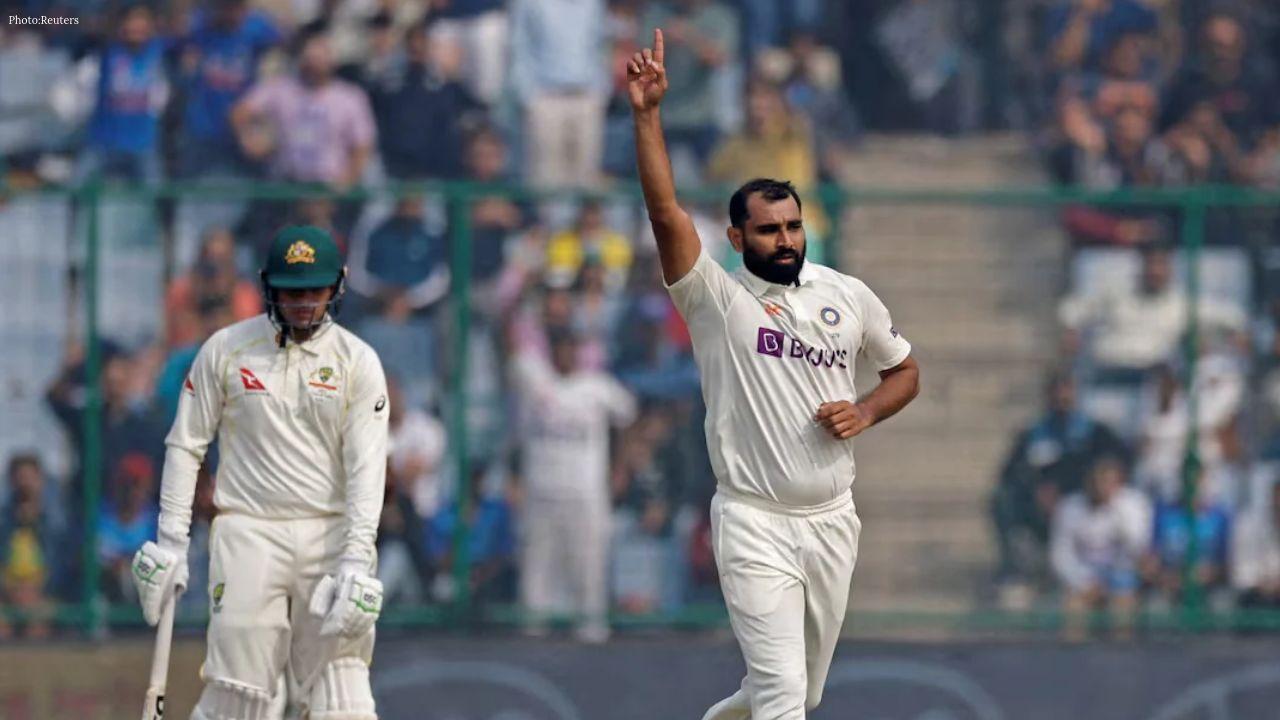
Mohammed Shami Retires From Test Cricket, Eyes White-Ball Career
Mohammed Shami retires from Test cricket after 13 years, with 229 wickets. He will continue playing

Singapore Warns Users About Privacy and Security Risks of AI Agents
Singapore warns users about AI agent security risks, data privacy, online scams and unauthorised acc

Chris Lynn Completes One-Month Ban After Positive Cocaine Test
Australian cricketer Chris Lynn completes a one-month ban after a positive cocaine test during the T
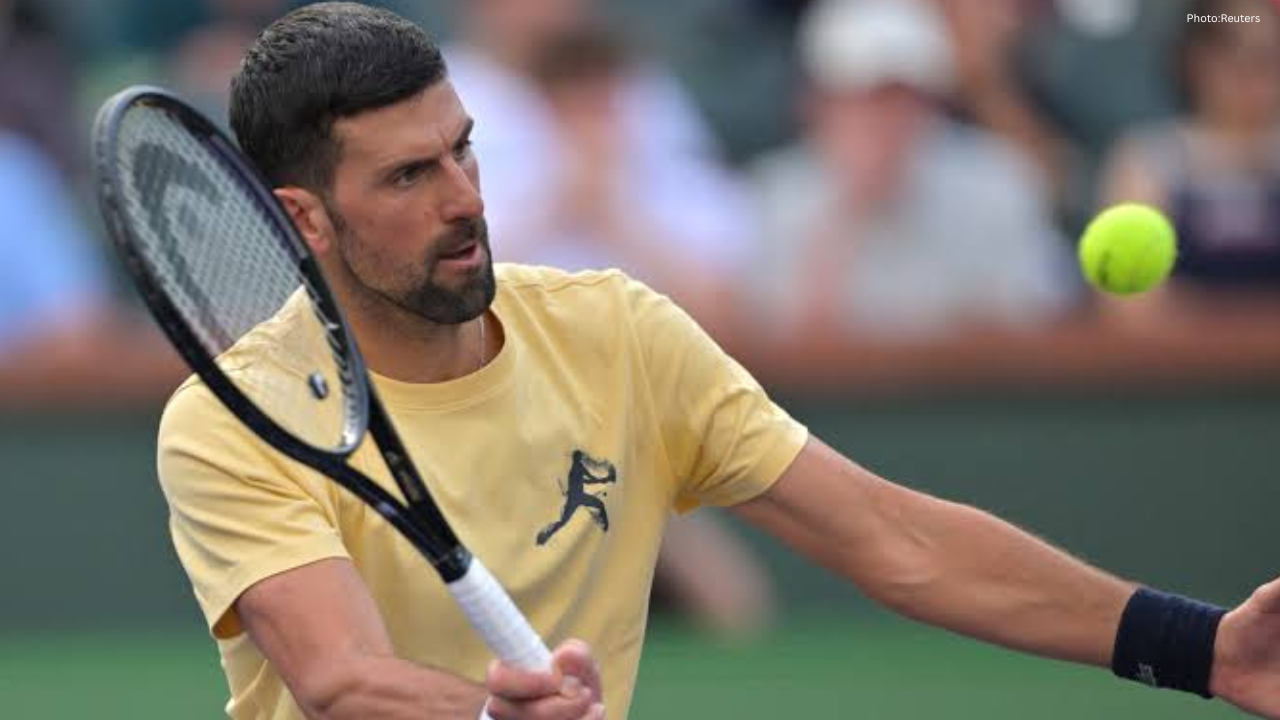
Djokovic Eyes Strong Season Finish as Health Improves Ahead of Paris Masters
Novak Djokovic reports improved health and performance as he targets a strong Paris Masters finish a