
You have not yet added any article to your bookmarks!
Join 10k+ people to get notified about new posts, news and tips.
Do not worry we don't spam!
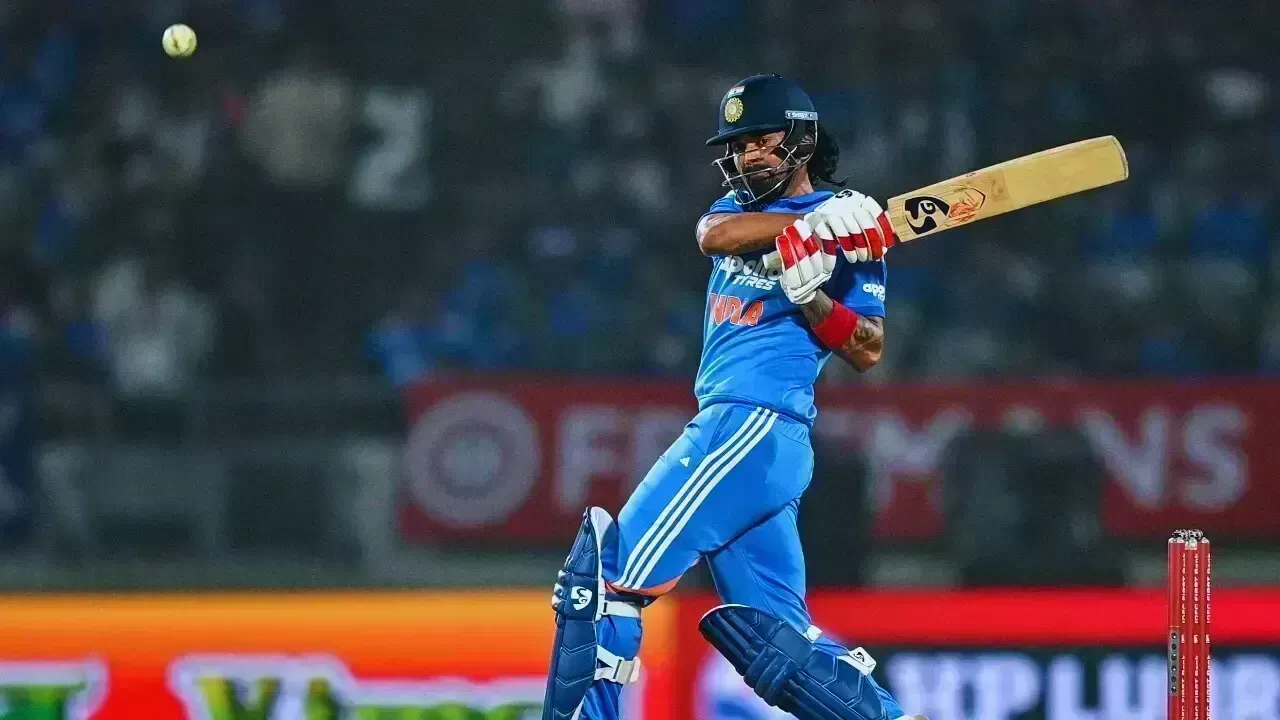
Post by : Anis Farhan
The first One Day International between India and New Zealand carried significant importance for both sides. For India, the match was an opportunity to assert dominance at home and test squad balance. For New Zealand, it was a chance to challenge one of the strongest ODI units in their own conditions.
Played in front of an enthusiastic crowd, the contest promised competitiveness, and while New Zealand fought hard, India controlled the decisive moments to take an early lead in the series.
India won the toss and chose to bat first, backing their batting depth on a surface that looked good for run-making early on. The pitch offered even bounce with some assistance for seamers in the initial overs, while the middle phase was expected to slow down slightly.
Weather conditions remained stable throughout the match, and the absence of heavy dew ensured a fair contest between bat and ball.
India’s openers adopted a measured approach, prioritising wicket preservation during the powerplay. Rather than forcing shots, they focused on timing and strike rotation, ensuring the scoreboard kept moving without undue risk.
This steady beginning allowed India to absorb early pressure from New Zealand’s seamers, who bowled disciplined lines and lengths with the new ball.
Once the platform was set, India’s middle order took control of the innings. Batters displayed maturity by selecting gaps rather than going aerial immediately, keeping the run rate healthy while minimising risk.
Partnerships during this phase were crucial, as they prevented New Zealand from building sustained pressure. Even when wickets fell, incoming batters settled quickly, maintaining continuity in scoring.
The final phase of India’s innings proved decisive. With wickets in hand, India accelerated smartly in the last ten overs. Clean striking, combined with sharp running between the wickets, added vital runs that pushed the total beyond a par score.
Contributions from the lower order underlined India’s batting depth and ensured the hosts ended with a total that would test New Zealand’s chase.
New Zealand began their chase with confidence, showing intent against both pace and spin. The openers found boundaries early, keeping the required run rate under control and briefly shifting momentum in their favour.
Their approach suggested belief and clarity, giving the visitors a solid base to work from.
The match turned decisively during the middle overs. India’s bowlers tightened their lines, mixed up pace effectively, and backed it up with aggressive field placements. The pressure resulted in wickets at regular intervals, breaking New Zealand’s rhythm.
As partnerships failed to develop, the asking rate steadily climbed, forcing batters into higher-risk shots.
Despite some resistance from the lower middle order, New Zealand struggled to regain control. India’s bowlers remained composed at the death, executing their plans with precision and closing out the chase efficiently.
New Zealand were eventually bowled out short of the target, conceding the opening ODI to India.
India’s bowling effort was built on discipline and adaptability. Seamers used the new ball intelligently, while spinners controlled the middle overs by varying pace and flight. The collective effort ensured that New Zealand never settled into a comfortable chase.
New Zealand’s bowlers, on the other hand, showed early promise but lacked consistency in the latter stages of India’s innings. Missed lengths and loose deliveries during the death overs allowed India to gain crucial momentum.
Fielding played a subtle yet significant role in the outcome. India were sharp and alert, saving runs and converting chances that came their way. The intensity remained high throughout the match, reflecting strong on-field communication and preparation.
New Zealand were generally tidy but a few lapses proved costly in a tightly contested game.
India’s performance highlighted the strength of their squad, with contributions coming from multiple players across departments. This balance reduces reliance on individual brilliance and bodes well for the rest of the series.
For New Zealand, the match exposed the need to convert promising starts into substantial partnerships. Addressing middle-order stability and execution under pressure will be key in the upcoming games.
With a 1–0 lead, India carry momentum into the next ODI. They are likely to stick with a similar combination while fine-tuning execution. New Zealand, meanwhile, may look to adjust strategies, particularly in the middle overs, to stay competitive in the series.
The rivalry remains intense, and the remaining matches promise closer contests.
The first ODI between India and New Zealand was a showcase of structured cricket and smart decision-making. India’s ability to dominate key phases with both bat and ball proved decisive, earning them a deserved victory and an early advantage in the series.
As the series progresses, the contest is expected to grow tighter, with both teams refining tactics and pushing for supremacy.
Disclaimer:
This article is for informational purposes only and is based on match proceedings and general analysis. It does not reflect any official team or board statements.










PM Modi Pays Tribute to Mahatma Gandhi, Urges People to Support Khadi
PM Modi pays tribute to Mahatma Gandhi on Gandhi Jayanti and urges citizens to support Khadi and the

Amazon Seeks to Offload $8 Billion in Nvidia Chips to Investors
Amazon plans to move $8 billion in Nvidia chips to investors, using a new financing model to strengt

Samsung Raises Galaxy S26 Prices as Memory Chip Costs Rise
Samsung raises Galaxy S26 prices in South Korea as rising memory chip costs put pressure on smartpho

Lewis Hamilton Calls Singapore Grand Prix One of F1's Toughest Races
Lewis Hamilton discusses the demanding Singapore Grand Prix and brings Plus44 and Almave to Singapor

Denmark's Pandora Opens World's Largest Jewellery Factory in Vietnam
Pandora opens its largest jewellery factory in Vietnam, expanding global production, strengthening s

Gautam Gambhir Questions Batting-Friendly Pitches After India's Record ODI Chase
Gautam Gambhir questions batting-friendly ODI pitches after India’s record chase, calling for a bett

