You have not yet added any article to your bookmarks!
Join 10k+ people to get notified about new posts, news and tips.
Do not worry we don't spam!
Post by : Rameen Ariff
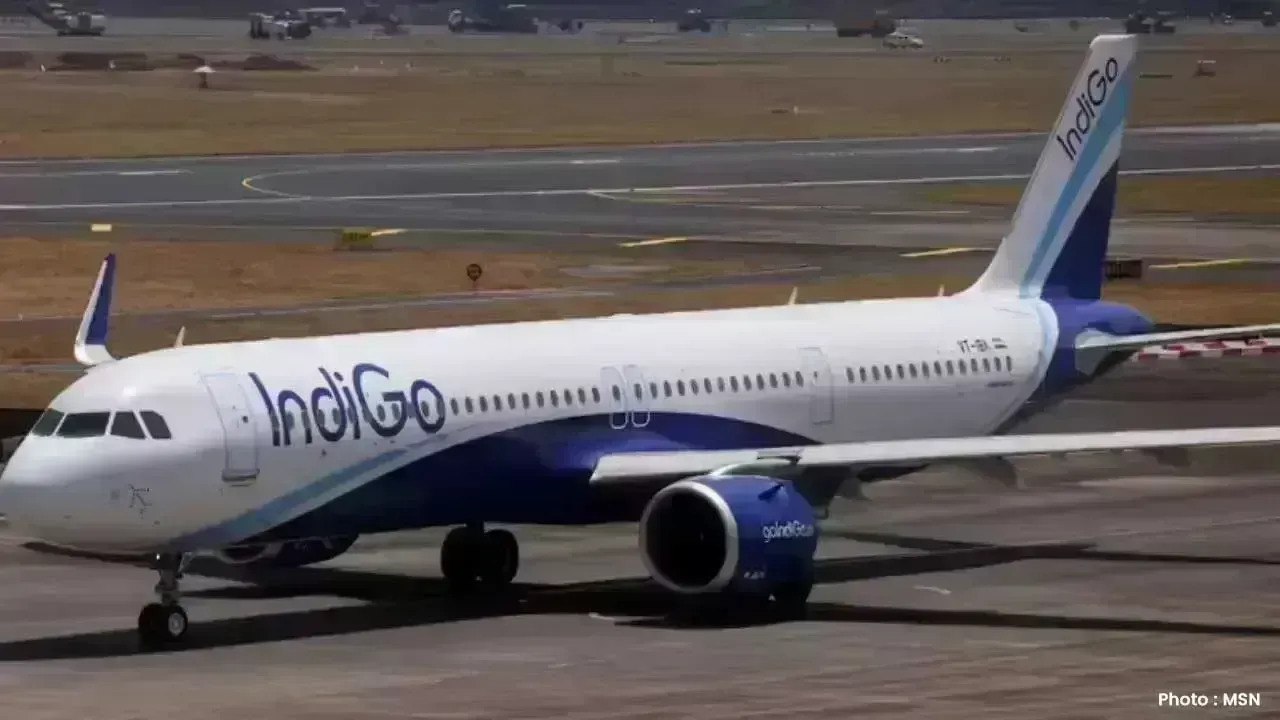
IndiGo, India’s largest domestic airline, faced widespread operational disruptions on 3 December, with over 200 flights cancelled or delayed, causing frustration for thousands of passengers across the country. The airline publicly apologised, acknowledging that its operations had been “significantly disrupted across the network for the past two days,” and expressed regret for the inconvenience caused to travellers.
The airline explained that a combination of unforeseen operational challenges triggered the mass cancellations. These included minor technology glitches, changes in flight schedules due to the winter season, adverse weather conditions, and increased congestion at several airports. Crucially, the introduction of updated Flight Duty Time Limitations (FDTL) for crew members also affected rostering, leaving IndiGo with minimal operational flexibility to cope with disruptions.
Cyclone Ditwah, which impacted coastal states such as Tamil Nadu and Andhra Pradesh, further compounded flight disruptions. A Hindustan Times report highlighted that an emergency software patch for Airbus A320 aircraft, rolled out over the weekend of 29–30 November, disrupted crew scheduling, intensifying delays amid tight regulatory requirements.
The nationwide impact of the disruptions was visible at major airports. Hyderabad’s Rajiv Gandhi International Airport saw 19 departures and 21 arrivals cancelled, while Bengaluru’s Kempegowda International Airport recorded 62 domestic cancellations affecting key routes to Delhi, Mumbai, Chennai, Hyderabad, Goa, Kolkata, and Lucknow. At Mumbai airport, 33 flights were cancelled, and passengers were advised to verify flight statuses before travelling. Kolkata experienced 10 cancellations, with 85 flights delayed throughout the day, disrupting connections from cities including Delhi, Mumbai, Bengaluru, Jaipur, Hyderabad, Ahmedabad, and Goa.
IndiGo attributed the operational chaos in part to a shortage of available pilots, citing the stricter fatigue-management rules introduced in July and November 2025. These updated FDTL regulations require longer rest periods for pilots to prevent fatigue but have also complicated scheduling for airlines with high-frequency flights like IndiGo, which operates roughly 2,300 flights daily.
The Directorate General of Civil Aviation (DGCA) confirmed that it is investigating the disruptions and has asked IndiGo to provide a detailed explanation of the causes, along with mitigation plans. DGCA data revealed that in November alone, IndiGo cancelled 1,232 flights, with 755 attributed to crew and FDTL constraints, 258 due to airport or airspace restrictions, 92 caused by ATC system failures, and 127 resulting from other factors. The regulator noted that these disruptions contributed to a sharp decline in IndiGo’s on-time performance, which fell from 84.1% in October to 67.7% in November.
In response, IndiGo announced a series of “calibrated adjustments” to stabilize flight schedules and restore punctuality over the following 48 hours. The airline said its teams were working around the clock to minimize passenger discomfort, offering alternate travel arrangements or refunds where applicable. Passengers were urged to regularly check the status of their flights before travelling.
Despite these measures, reports on 4 December indicated that IndiGo was still experiencing delays and cancellations nationwide. Visuals from Delhi’s Indira Gandhi International Airport showed flight-information display boards reflecting ongoing disruptions, highlighting the challenges the airline continues to face in recovering from the operational crisis.
IndiGo’s flight disruptions underscore the challenges faced by India’s busiest airline in balancing regulatory compliance, crew availability, and passenger demand, particularly during periods of high operational stress and adverse weather.








BCCI Central Contracts Shake-Up: Kohli, Rohit Moved to Grade B as Board Reshapes 2025–26 List
Virat Kohli and Rohit Sharma have been placed in Grade B in the BCCI’s 2025–26 central contract list

Dalal Street Spotlight: Top 10 Stocks Investors Are Watching as Markets Open on a High
Indian stock markets begin the week with strong momentum, and several blue-chip and mid-cap stocks a

Market Movers Today: Key Stocks Set To Watch In Indian Markets
Indian equity markets are poised for active trading as several major companies, including Bharti Air

Milan Welcomes the World: Inside the Grand Opening Ceremony of the 2026 Winter Olympics
The 2026 Winter Olympics opening ceremony in Milan marked a defining moment for global sport, blendi

Unfolding Market Drama: Sensex & Nifty Trade Volatility Amid Budget Fallout and India-US Trade Breakthrough
Indian equity markets exhibited high volatility this week as the 2026 Union Budget triggered sharp s

Dhurandhar 2 Teaser Countdown Ignites Fan Frenzy: All You Need to Know
The highly anticipated sequel to the blockbuster Dhurandhar is building intense excitement as the Dh