
You have not yet added any article to your bookmarks!
Join 10k+ people to get notified about new posts, news and tips.
Do not worry we don't spam!
Post by : Shweta
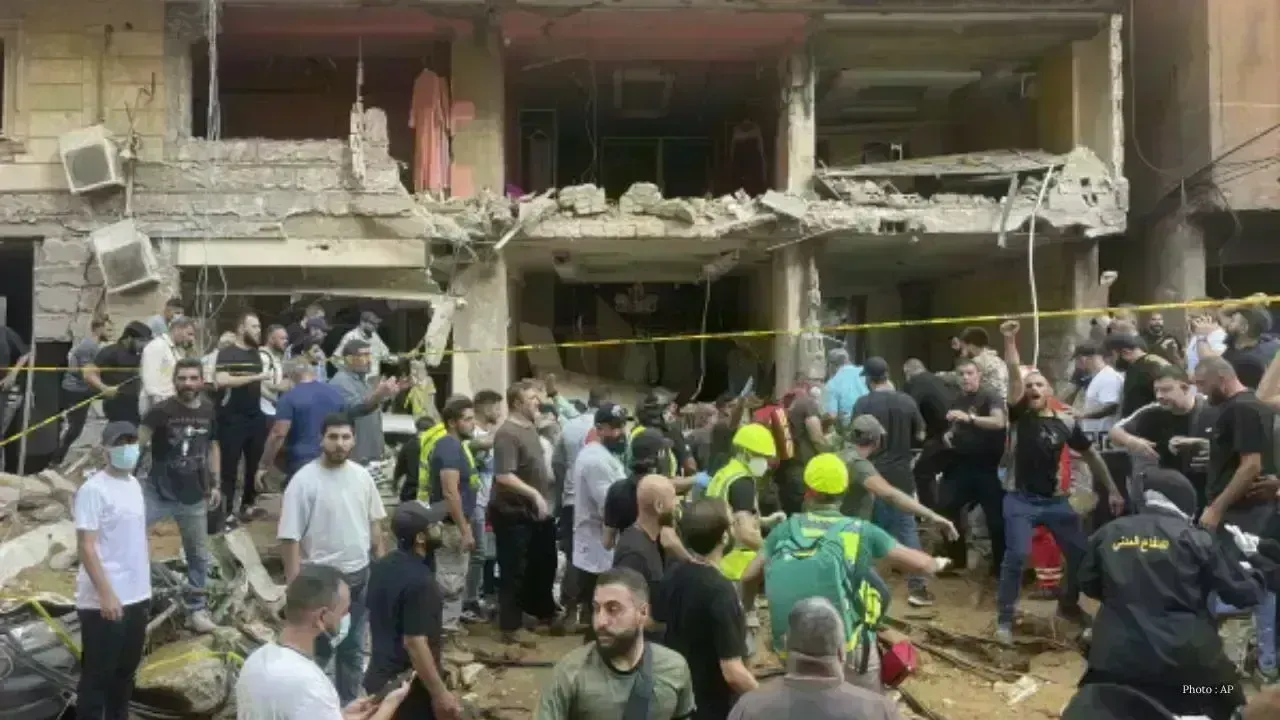
In a significant step towards regional stability, Israel and Lebanon have agreed to renew a fragile ceasefire aimed at easing rising tensions along their border. This agreement comes on the heels of escalating military exchanges and security incidents that posed threats to peace in the area. Officials from both nations, alongside international mediators, remain optimistic that this renewed ceasefire can sustain calm and open the door for diplomatic initiatives.
The ceasefire seeks to halt hostilities between Israeli military forces and armed groups in southern Lebanon. Despite earlier ceasefire arrangements aiding in reducing conflict, long-term peace has been difficult to achieve. The region has witnessed sporadic clashes, cross-border assaults, and military responses that continuously challenge peacekeeping efforts near the border.
International mediators have welcomed the renewed agreement as an essential measure to thwart a more extensive conflict. Diplomatic representatives are urging all involved parties to respect the ceasefire's stipulations, cautioning against actions that could exacerbate tensions. They stress the importance of ongoing dialogue to tackle security issues and minimize the risk of misinterpretations.
The Israel-Lebanon border has seen decades of instability, with tensions often fueled by disputes over territorial matters and regional conflicts involving armed factions. Although temporary ceasefires have intermittently reduced violence, the underlying political and strategic disagreements persist.
Experts indicate that sustaining the ceasefire will rely heavily on restraint from all parties. Any singular incident or military altercation could swiftly unravel the agreement and rekindle hostility. Therefore, stringent monitoring is anticipated in the upcoming weeks to ensure adherence to the ceasefire terms.
The ceasefire's renewal holds particular significance for the border communities, who have lived under the shadow of insecurity and potential conflict. Residents on both sides often adjust their daily routines in response to military developments, underscoring the need for stability.
Humanitarian organizations have expressed support for the reduction of violence, cautioning that renewed fighting could significantly deteriorate conditions for impacted communities and strain local infrastructure. A prolonged period of tranquility would enable aid agencies to deliver uninterrupted support.
The situation is being closely monitored by regional governments and international allies. Numerous nations have advocated for diplomatic resolutions and voiced concerns that any escalation could trigger broader repercussions beyond the immediate area. Ensuring stability remains a pivotal objective for global leaders aiming to defuse wider security issues.
Analysts suggest that this renewed agreement marks a mutual recognition of the need to avert a larger conflict. While considerable differences endure, the decision to extend the ceasefire indicates that both parties are acutely aware of the dangers posed by ongoing military tensions. Experts warn, however, that the arrangement is tenuous and will necessitate continuous diplomatic involvement to succeed.
This ceasefire accentuates the impact of international mediation in navigating regional conflicts. Diplomatic channels have been pivotal for facilitating communication during high-tension times and addressing urgent security concerns. Ongoing support from international stakeholders may be vital for future negotiations and sustaining peace.
Despite these encouraging developments, commentators remain realistic that lasting peace will depend on resolving the deeper political and security issues at play. Without significant progress in these areas, ceasefire agreements could continue to face hurdles, remaining at risk of collapse.
For Canadian observers and others watching the situation in the Middle East, this renewed ceasefire represents a hopeful attempt to mitigate conflict and bolster regional stability. Worldwide, governments advocate for peaceful dialogue and diplomatic resolutions as the most favorable route forward.
The weeks ahead will be pivotal in assessing the ceasefire's durability. Should all parties adhere to the agreement, it stands to reduce immediate security threats and pave the way for further diplomatic dialogues. Although obstacles are present, this renewed ceasefire presents a valuable chance to stave off violence and foster a more stable environment along the Israel-Lebanon border.










PM Modi Pays Tribute to Mahatma Gandhi, Urges People to Support Khadi
PM Modi pays tribute to Mahatma Gandhi on Gandhi Jayanti and urges citizens to support Khadi and the

Amazon Seeks to Offload $8 Billion in Nvidia Chips to Investors
Amazon plans to move $8 billion in Nvidia chips to investors, using a new financing model to strengt

Samsung Raises Galaxy S26 Prices as Memory Chip Costs Rise
Samsung raises Galaxy S26 prices in South Korea as rising memory chip costs put pressure on smartpho

Lewis Hamilton Calls Singapore Grand Prix One of F1's Toughest Races
Lewis Hamilton discusses the demanding Singapore Grand Prix and brings Plus44 and Almave to Singapor

Denmark's Pandora Opens World's Largest Jewellery Factory in Vietnam
Pandora opens its largest jewellery factory in Vietnam, expanding global production, strengthening s

Gautam Gambhir Questions Batting-Friendly Pitches After India's Record ODI Chase
Gautam Gambhir questions batting-friendly ODI pitches after India’s record chase, calling for a bett

