
You have not yet added any article to your bookmarks!
Join 10k+ people to get notified about new posts, news and tips.
Do not worry we don't spam!
Post by : Saif Rahman
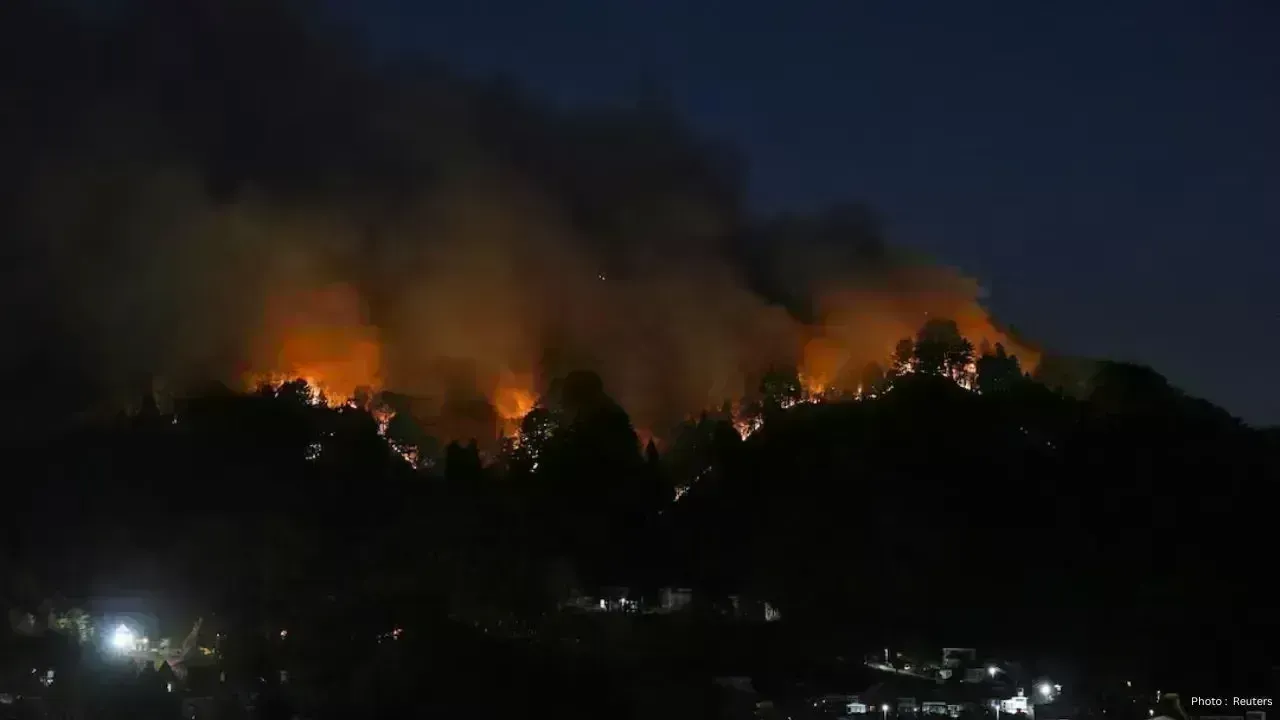
A severe wildfire crisis is unfolding in Iwate Prefecture, prompting the evacuation of over 3,000 residents from their homes. The rapid spread of fire across parched landscapes poses significant challenges for emergency responders and raises alarm throughout Japan.
Originating in forested areas, the blaze quickly intensified due to arid conditions and strong winds. As the flames encroached upon populated areas, local authorities instructed evacuations to safeguard residents. Many families have relocated to temporary shelters, anxiously awaiting updates on their return home.
Firefighters are tirelessly combating the situation, with more than a thousand personnel engaged in efforts to suppress the blaze. Ground teams are focused on halting the fire's advance, while helicopters assist by dropping water from above. Nevertheless, the fire remains largely uncontrolled, underscoring the challenges posed by such natural disasters.
Considerable areas of land, including forests and clearings, have already been devastated by the wildfire. The ongoing threat to homes and local infrastructure increases as the flames continue to spread. Emergency services are prioritizing the safety of both individuals and their properties as the crisis evolves.
The evacuation of thousands emphasizes the human toll of this disaster. Families have been compelled to leave on short notice, often with only essential belongings. Life in shelters can be particularly challenging for vulnerable populations, including children and the elderly. Local authorities are striving to offer food, water, and basic amenities, yet uncertainty looms large.
This incident also highlights shifting environmental trends. Prolonged dry seasons and elevated temperatures can heighten wildfire risks. Such events are increasingly prevalent worldwide, stressing the need for improved preparedness and awareness.
Japan's robust disaster management system is evident in the current response efforts, demonstrating the nation’s commitment to handling emergencies effectively. Swift evacuation commands and proactive firefighting initiatives have mitigated the potential for more severe consequences.
The following days are crucial for fire management. Weather patterns will significantly influence the situation, as rain may help contain the flames, while ongoing dry winds could exacerbate the conditions. Authorities are vigilantly monitoring developments and providing regular updates to residents.
The Iwate wildfire serves as a stark reminder of nature's formidable and unpredictable forces. It emphasizes the necessity for prompt action, effective collaboration, and community resilience during challenging times. For now, the priority remains on extinguishing the fire and ensuring the well-being of all affected individuals.










PM Modi Pays Tribute to Mahatma Gandhi, Urges People to Support Khadi
PM Modi pays tribute to Mahatma Gandhi on Gandhi Jayanti and urges citizens to support Khadi and the

Amazon Seeks to Offload $8 Billion in Nvidia Chips to Investors
Amazon plans to move $8 billion in Nvidia chips to investors, using a new financing model to strengt

Samsung Raises Galaxy S26 Prices as Memory Chip Costs Rise
Samsung raises Galaxy S26 prices in South Korea as rising memory chip costs put pressure on smartpho

Lewis Hamilton Calls Singapore Grand Prix One of F1's Toughest Races
Lewis Hamilton discusses the demanding Singapore Grand Prix and brings Plus44 and Almave to Singapor

Denmark's Pandora Opens World's Largest Jewellery Factory in Vietnam
Pandora opens its largest jewellery factory in Vietnam, expanding global production, strengthening s

Gautam Gambhir Questions Batting-Friendly Pitches After India's Record ODI Chase
Gautam Gambhir questions batting-friendly ODI pitches after India’s record chase, calling for a bett

