You have not yet added any article to your bookmarks!
Join 10k+ people to get notified about new posts, news and tips.
Do not worry we don't spam!
Post by : Saif Rahman
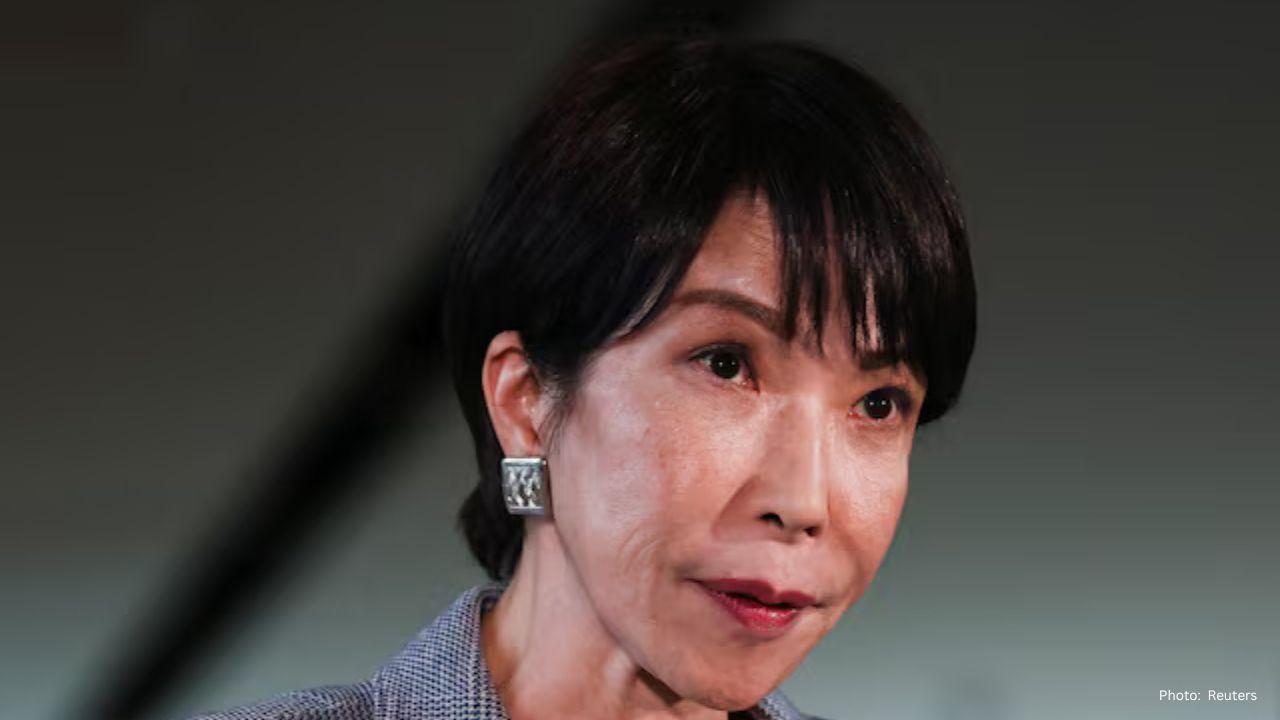
This week, Japan's economic discussions took a pivotal turn as a leading government advisory panel revised its stance on rigid budgetary discipline. This adjustment mirrors the increasing influence of Prime Minister Sanae Takaichi, who is advocating for elevated spending aimed at revitalizing the nation's prolonged sluggish growth and low inflation rates.
The fiscal system council, which offers guidance to the finance minister, unveiled its annual budget recommendations on Tuesday. In contrast to last year, when the panel insisted on a swift return to budget surplus and a reduction of pandemic-related expenditures, this year's advisory is markedly more lenient. The council proposed that Japan reassess its primary budget balance annually, rather than compelling an urgent move to surplus.
Given that Japan's debt exceeds double its economic output, this softer stance represents a significant departure from prior admonitions. The nation has historically been perceived as in dire need of stringent reforms to remediate its public finances, particularly as the Bank of Japan commences a transition away from the ultra-accommodative monetary policies that sustained low borrowing costs for over ten years. With rising interest rates, managing such substantial debt is becoming increasingly difficult.
However, PM Takaichi maintains that economic revitalization should take precedence over strict fiscal constraints. She contends that sustainable financial recovery is unattainable without first enhancing household incomes, corporate profits, and overall economic activity. Her philosophy suggests that growth will ultimately lead to healthier governmental revenues.
Significantly, her administration has already taken a decisive step by endorsing a supplementary budget of 18.3 trillion yen (approximately $117 billion) to facilitate an extensive stimulus initiative. Much of this funding will be acquired through new borrowing, further inflating Japan's already considerable debt. The plan encompasses support for various sectors, including workers, businesses, and consumers, intended to stimulate heightened economic spending and confidence.
Nevertheless, escalating debt levels are drawing attention from markets. Yields on ultra-long Japanese government bonds have surged to historic highs this year, indicating investor apprehension regarding the country's financial trajectory. Elevated long-term yields could render government borrowing more costly in the future.
The primary budget balance—a crucial metric that excludes debt-related expenses—has long been Japan's fundamental fiscal target. Policymakers have aimed to achieve a surplus, signifying the government's capability to finance its initiatives independent of new borrowing. Previous forecasts indicated this goal could be attainable between fiscal 2025 and 2026.
Yet, PM Takaichi has expressed her desire to depart from rigid reliance on the annual primary balance as a stringent metric of discipline. She advocates for a long-term objective that provides the government with increased flexibility to spend as required. This strategy aligns with her broader reflation agenda, where sustainable economic growth and rising incomes are envisioned as the backbone of Japan's future stability.
This transition underscores the intricate balance Japan must strive to maintain: fostering economic enhancement while managing debt-related risks. The advisory panel's more flexible position suggests that, for now, the government is prepared to prioritize growth over expedited fiscal tightening. The forthcoming years will reveal whether this approach can yield both a more robust economy and sustainable public finances.
#World #Global Updates #World News #Global Global News world news









Study Warns Using AI for Medical Advice Is ‘Dangerous’ as Users Get Inaccurate Health Guidance
A major new study reveals that artificial intelligence (AI) chatbots and tools may give misleading o

Top Sci-Fi Movies Streaming on Netflix This February: Must-Watch Picks for Genre Fans
A curated news-style guide to the best science fiction films currently available on Netflix in Febru

BCCI Central Contracts Shake-Up: Kohli, Rohit Moved to Grade B as Board Reshapes 2025–26 List
Virat Kohli and Rohit Sharma have been placed in Grade B in the BCCI’s 2025–26 central contract list

Dalal Street Spotlight: Top 10 Stocks Investors Are Watching as Markets Open on a High
Indian stock markets begin the week with strong momentum, and several blue-chip and mid-cap stocks a

Market Movers Today: Key Stocks Set To Watch In Indian Markets
Indian equity markets are poised for active trading as several major companies, including Bharti Air

Milan Welcomes the World: Inside the Grand Opening Ceremony of the 2026 Winter Olympics
The 2026 Winter Olympics opening ceremony in Milan marked a defining moment for global sport, blendi