
You have not yet added any article to your bookmarks!
Join 10k+ people to get notified about new posts, news and tips.
Do not worry we don't spam!
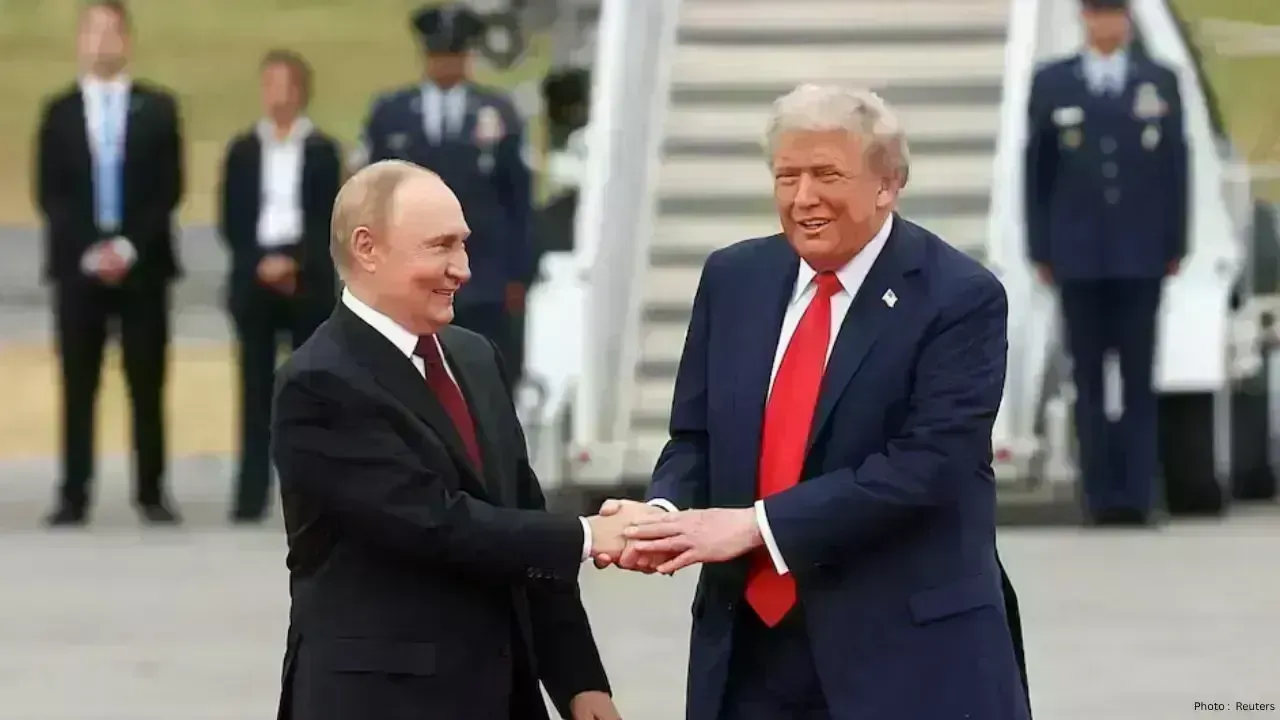
Post by : Saif Rahman
The Kremlin has confirmed that there are no arrangements for a phone conversation between Russian President Vladimir Putin and former US President Donald Trump, nor any scheduled visits by US envoys to Russia. This declaration highlights the current ambiguity surrounding high-level communications between the two nations.
Russian officials have noted that discussions related to diplomatic contact or visits are not in the works, reflecting a lack of formal engagement. As international scrutiny intensifies on US-Russia relations, which have been under strain, this absence is particularly significant.
This lack of planned discussions underlines the challenges in re-establishing constructive dialogue between the US and Russia. Ongoing political disagreements, security issues, and divergent views on global conflicts have hindered diplomatic relations.
Key issues affecting US-Russia ties include the conflict in Ukraine, sanctions, military presence in Eastern Europe, and overall security concerns, which have complicated the landscape for high-level meetings and negotiations.
Historically, leaders from both countries have engaged in direct talks during pivotal moments to navigate international challenges. However, the current environment suggests that such communications are not anticipated soon.
The Kremlin’s announcement arrives amid conjectures regarding potential diplomatic initiatives aimed at rekindling discussions. In geopolitics, even the suggestion of meetings can indicate a shift in foreign policy approaches.
Officials in Moscow have asserted that, while various communication channels remain open, there is no established timeline for elite-level talks. This implies that future discussions would demand more groundwork and reciprocal consent from both parties.
Experts indicate that the current lack of confirmed dialogue exacerbates the uncertainties engulfing US-Russia relations, heightening the risk of conflicts, particularly in times of geopolitical tensions.
Nevertheless, the two countries do maintain indirect interactions via international agencies, multilateral conferences, and diplomatic missions, which provide some level of communication despite the absence of direct leadership discussions.
The timing of diplomatic engagements is crucial, with high-level communications often arising from mutual recognition of benefit or necessity. Absent these conditions, meetings may remain postponed or uncoordinated.
Global analysts are keenly observing any changes, as shifts in communication between Washington and Moscow could have far-reaching effects on international stability, security frameworks, and economic partnerships.
Currently, the Kremlin's announcement affirms that there are no immediate prospects for a direct discussion between the two leaders or plans for a visit by US representatives, sustaining the current hiatus in high-level diplomatic interactions.
The evolving global landscape will likely influence future dialogues, hinging on changes in political priorities, international developments, and mutual agreements between the nations.










PM Modi Pays Tribute to Mahatma Gandhi, Urges People to Support Khadi
PM Modi pays tribute to Mahatma Gandhi on Gandhi Jayanti and urges citizens to support Khadi and the

Amazon Seeks to Offload $8 Billion in Nvidia Chips to Investors
Amazon plans to move $8 billion in Nvidia chips to investors, using a new financing model to strengt

Samsung Raises Galaxy S26 Prices as Memory Chip Costs Rise
Samsung raises Galaxy S26 prices in South Korea as rising memory chip costs put pressure on smartpho

Lewis Hamilton Calls Singapore Grand Prix One of F1's Toughest Races
Lewis Hamilton discusses the demanding Singapore Grand Prix and brings Plus44 and Almave to Singapor

Denmark's Pandora Opens World's Largest Jewellery Factory in Vietnam
Pandora opens its largest jewellery factory in Vietnam, expanding global production, strengthening s

Gautam Gambhir Questions Batting-Friendly Pitches After India's Record ODI Chase
Gautam Gambhir questions batting-friendly ODI pitches after India’s record chase, calling for a bett

