You have not yet added any article to your bookmarks!
Join 10k+ people to get notified about new posts, news and tips.
Do not worry we don't spam!
Post by : Anis Farhan
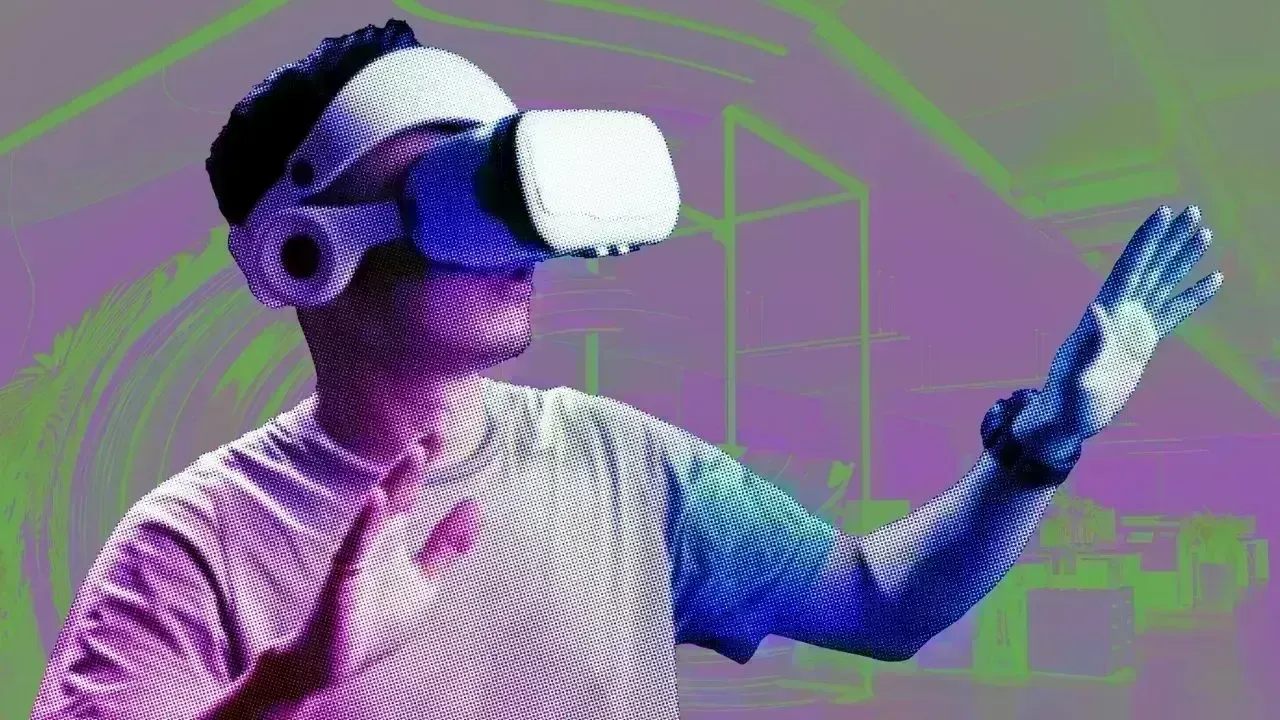
The idea of the metaverse once belonged to futuristic conversation drawn from novels and cinema. In 2026 it has become part of daily routine. Users now step into three-dimensional online environments rather than merely scrolling through flat feeds. They walk along virtual streets, attend digital concerts, sit inside online classrooms, and hold meetings through avatars that mirror real facial expressions. This transformation has altered how humanity measures leisure, productivity, and relationships.
Over the past two years, headset adoption, broadband strength, and gaming enthusiasm combined to push ordinary users toward immersive worlds. Teenagers who earlier spent evenings on simple screens are exploring persistent virtual cities where they can decorate rooms, build identities, and speak to friends without leaving home. Office workers are testing virtual desks, while freelancers offer services inside these spaces — from design assistance to tutoring. The metaverse has therefore evolved into a living marketplace rather than a single application.
The most striking pattern is length of stay. Average users in developed markets report three to four hours a day inside some form of metaverse environment. Weekends often double that number. This mirrors the era when streaming platforms dominated household attention. Virtual worlds are stealing digital hours from established habits.
Before discussing patterns, it is essential to define what is being measured. Metaverse time generally includes any activity performed inside persistent virtual spaces where users interact through avatars. The core areas are:
gaming and role-play worlds
virtual meetings and work rooms
digital shopping environments
social squares and live events
education platforms
These domains together shape how digital hours are spent in 2026.
Gaming remains the largest gateway into the metaverse. Youth culture treats these worlds as playgrounds where identity can be edited like clothing. Players purchase digital skins, weapons, pets, and virtual land, spending substantial money during sessions. Esports competitions hosted within metaverse arenas are drawing massive engagement across global cities.
Many youths prefer these spaces because they offer freedom from real-world judgment. A reserved student can become a confident speaker when the face is hidden behind an avatar. Patience required in real sports is replaced by instant restart options inside games, allowing rapid learning through failure.
Professional gaming tournaments held within virtual arenas expand visibility for players. Streaming platforms now compete to broadcast metaverse matches. Players earn revenue through prize pools and sponsorships, while influencers create clips that turn viral within hours.
Hardware alone does not explain growth. GCC governments launched strategies to promote entertainment and digital innovation, encouraging creators to adopt metaverse platforms. Many young professionals have theoretical knowledge rather than practical experience, yet willingness to learn is generating a growth supported environment.
Office usage has been the second major driver. Virtual offices and meeting rooms are becoming common as companies adapt IT concepts for managing digital workspaces. Multinational firms maintain layered professional and standard virtual desk models. Employees join through fast laptops, mobiles, and wifi connections, ensuring seamless participation.
Remote work has been reinvented. Professionals now prefer meeting inside the metaverse because it reduces travel time in fog-affected regions and supports collaboration beneath animated dashboards. Teams feel more present despite physical distance.
Digital shopping inside the metaverse has emerged as a powerful contributor. Brands create virtual showrooms where customers walk through aisles comparable to real franchise experiences. Luxury goods markets exploded inside these worlds as eco-brands promoted sustainable fashion. Prices are displayed in accessible human tone rather than mechanical jargon.
What people buy includes:
digital clothing
jewelry-style ornaments
event tickets
virtual homes
education workshops
Consumers treat some digital items like bullion — as perceived store of value.
The metaverse has changed how friends meet. Users observe calm reflection before entering social environments, resembling earlier pilgrimage discipline. Influencer culture in the Gulf streams weddings and festivals live, building community warmth. Families attend digital reunions inside these worlds, paying tribute to actors and musicians.
Schools use virtual classrooms for entrance exam preparation. Students register through digital passes, and debates on ethics and society are discussed in accessible tone. The metaverse has become a teaching ground for the next generation.
Analysts estimate that up to fifteen crore global users may join some form of metaverse by 2027. Hiring outlook surveys across GCC nations suggest that digital creators will be in high demand. Employers seek patience, typing proficiency, and understanding of enterprise open-source technology to manage virtual environments.
Despite growth, several hurdles persist:
valuation of talent
technical complexity
regulatory approvals
weather uncertainty
competitive pressures
Arena rentals and fuel price adjustments can affect margins. Though UAE inflation remains low, global commodity spikes may influence budgets indirectly. Security and border stability concerns occasionally disrupt shows, yet disaster management teams prepare contingency similar to Hajj models where silent discipline guides crowds.
Cyber intrusions in 2026 are the quantum-era equivalent of conventional attacks. Companies and NATO style alliances are strengthening encryption upgrades and information warfare responses. Many cyber teams have knowledge without hands-on earlier, but willingness to learn is being promoted through workshops and AI safety forums.
Central bank buying and ETF inflows support prices. Consumers in Dubai and Saudi treat gold as inflation-proof investment. Retail loyalty programs drive engagement around concerts. Luxury car culture in Dubai links with festival tourism. Franchise booms encourage suburban living vs urban growth.
Public health measures include temporary shelters for homeless populations, mobile medical units, and public awareness campaigns. Schools adopt flexible schedules. Employers manage cabin temperatures. Drivers maintain safe distances in fog. Citizens dress in layers and avoid alcohol and smoking. Nutrition remains important.
From early morning drills to evening lamps near bases, soldiers live in a city of discipline. The mela of defense turns strangers into temporary families. NATO strategies emphasize mobility, modernization, and joint exercises. Energy corridors pass through Eastern Europe. Protection of critical assets remains key.
geopolitical developments
monetary policy shifts
global economic indicators
These elements will affect gold’s trajectory and metaverse adoption. Investors should balance exposure and maintain diversified risk management.
The metaverse in 2026 reflects a pause but not panic. Selling in heavyweights of politics occasionally drags sentiment, yet dedication among creators keeps structure intact. Investors should avoid panic selling of values and accumulate patience. Gold’s role as hedge and store of value remains paramount as markets navigate volatility.
This article is for informational purposes only and does does not constitute investment or medical advice. Market and geopolitical conditions may change rapidly, and decisions related to bullion, digital platforms, or health precautions should be taken after consultation with qualified professionals.









Meta Bans TikTok Ads on Facebook and Instagram in Seven Countries
Meta has banned TikTok ads in seven countries, escalating competition over social media users, adver

ASML and Zeiss Target Next-Generation Chip Technology in 10 Years
ASML and Carl Zeiss are developing Hyper NA technology to print smaller chip circuits, with the next

Rabada Misses First Australia Test as South Africa Pick Two Spinners
Kagiso Rabada misses the opener as South Africa vs Australia begins, with Anrich Nortje returning an

Starc Compares Australia's Tough Year to McIlroy's Major Sweep
Mitchell Starc says Australia winning three away Test series and the World Cup would match Rory McIl

France’s Sesterce Plans $11 Billion AI Data Centre in Finland
Sesterce plans a $11 billion AI data centre in Finland, with major expansion, green energy plans and

Danaher to Launch AI-Powered Autonomous Research Lab in 2027
Danaher plans an AI research lab for 2027, combining robotics and automation to speed up drug discov