You have not yet added any article to your bookmarks!
Join 10k+ people to get notified about new posts, news and tips.
Do not worry we don't spam!
Post by : Sameer Farouq
New Zealand has announced a bold plan to eradicate feral cats across the country by 2050 to protect its unique wildlife. Conservation Minister Tama Potaka described feral cats as "stone cold killers" and confirmed that they will be added to the Predator Free 2050 program, which was launched in 2016 to remove invasive species that threaten native birds, bats, lizards, and insects.
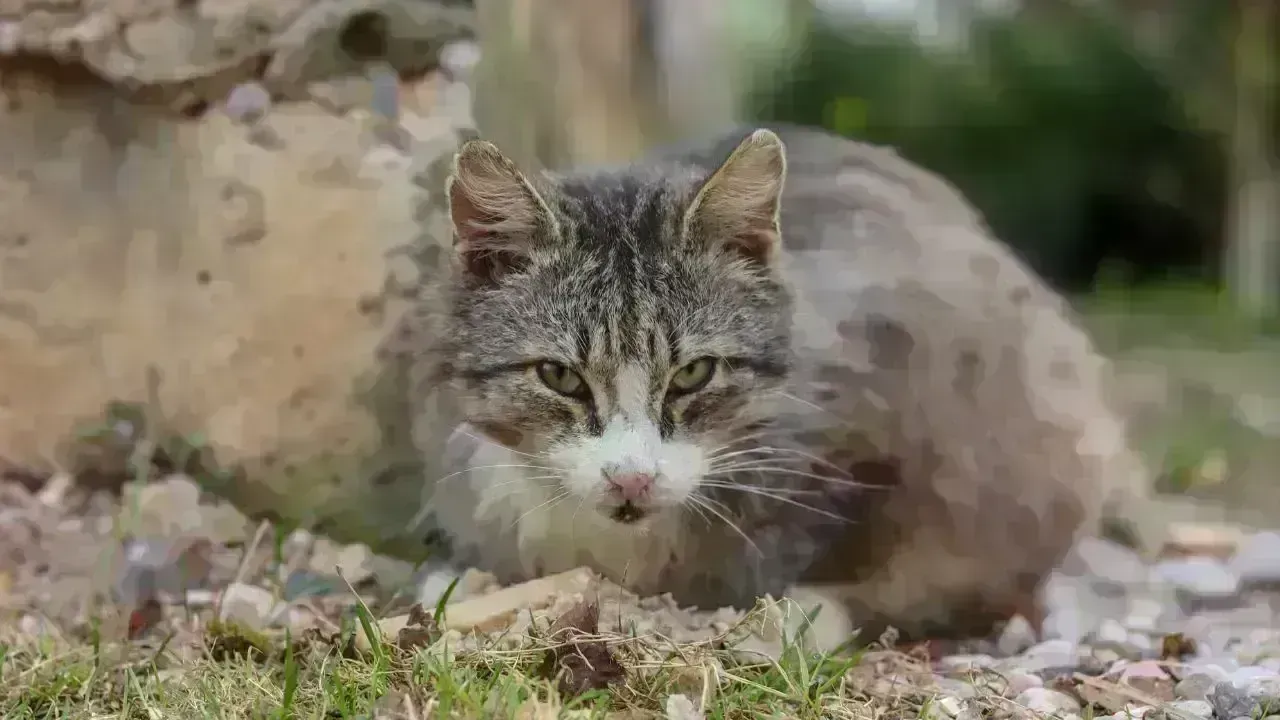
Feral cats are wild hunters that survive independently of humans. Unlike pet cats, they roam forests and islands freely, hunting native animals for food. Experts say controlling their population is crucial to preserving New Zealand's biodiversity, which includes several species found nowhere else in the world.
Currently, over 2.5 million feral cats live in New Zealand, ranging from forests to offshore islands. These cats can grow up to one metre long, including their tail, and weigh up to seven kilograms. They have severely impacted local wildlife, including the nearly extinct southern dotterel bird on Stewart Island and hundreds of short-tailed bats near Ohakune.
Potaka emphasized that feral cats are also a health risk, spreading diseases such as toxoplasmosis, which can harm humans, livestock, and even dolphins. However, domestic cats owned by people are not included in the Predator Free plan.
New Zealand’s Predator Free 2050 strategy has previously focused on eliminating other invasive predators like ferrets, stoats, weasels, rats, and possums. This is the first time feral cats will be added to the program. The initiative aims to preserve biodiversity, maintain heritage landscapes, and protect the country’s ecological identity.
The Department of Conservation (DOC) is currently testing a method to control feral cats using meat-based bait. The process involves using harmless bait first to attract cats, followed by a poisoned bait containing 1080, a chemical used in other pest control programs. While the method is effective, it has sparked concerns about potential risks to other wildlife.
A detailed nationwide strategy to reduce feral cats is expected to be released by March 2026. Officials say the program is vital to ensure New Zealand’s unique ecosystems and native species survive for future generations.










Hyundai raises profit target, expands hybrid lineup in the US
Hyundai hybrid cars get a major boost as the automaker raises its profit margin target and plans new

Josh Kerr and Jakob Ingebrigtsen Set for 1,500m Rivalry Rematch
Josh Kerr and Jakob Ingebrigtsen will renew their 1,500m rivalry at the Ultimate Championship in Bud

PSG Coach Luis Enrique Urges Players to Step Outside Comfort Zone
PSG coach Luis Enrique says players must leave their comfort zone and keep improving as the club tar

China’s Tiangong Sets New 400m Record at Robot Olympics
China’s Tiangong robot sets a new 400m record at the Robot Olympics, beating a South African robot i

George Russell Wins Dutch GP Sprint, Boosts Mercedes Morale
George Russell wins the Dutch GP Sprint from pole as Mercedes teammate Kimi Antonelli extends his F1

Australia 50/3 After Bangladesh Bowled Out for 64 in Second Test
Australia reached 50/3 after Bangladesh were bowled out for 64 in the second Test, with Mitchell Sta