
You have not yet added any article to your bookmarks!
Join 10k+ people to get notified about new posts, news and tips.
Do not worry we don't spam!
Post by : Saif Rahman
North Korea has captivated global attention again with the unveiling of new images and details regarding its uranium enrichment operations. This alarming development has rekindled worries among global leaders and security analysts regarding the country's intentions to advance its nuclear capabilities and the repercussions for stability in East Asia.
This revelation emerges amidst a backdrop of numerous pressing global security issues. By demonstrating advancements in its nuclear program, Pyongyang seems intent on signaling its commitment to bolster its strategic assets despite facing international condemnation and sanctions.
Uranium enrichment is vital for progressing nuclear technology. While it can serve peaceful purposes like energy generation, highly enriched uranium is also integral to crafting nuclear weapons. As a result, facilities engaged in enrichment draw significant scrutiny from both governments and global monitoring agencies.
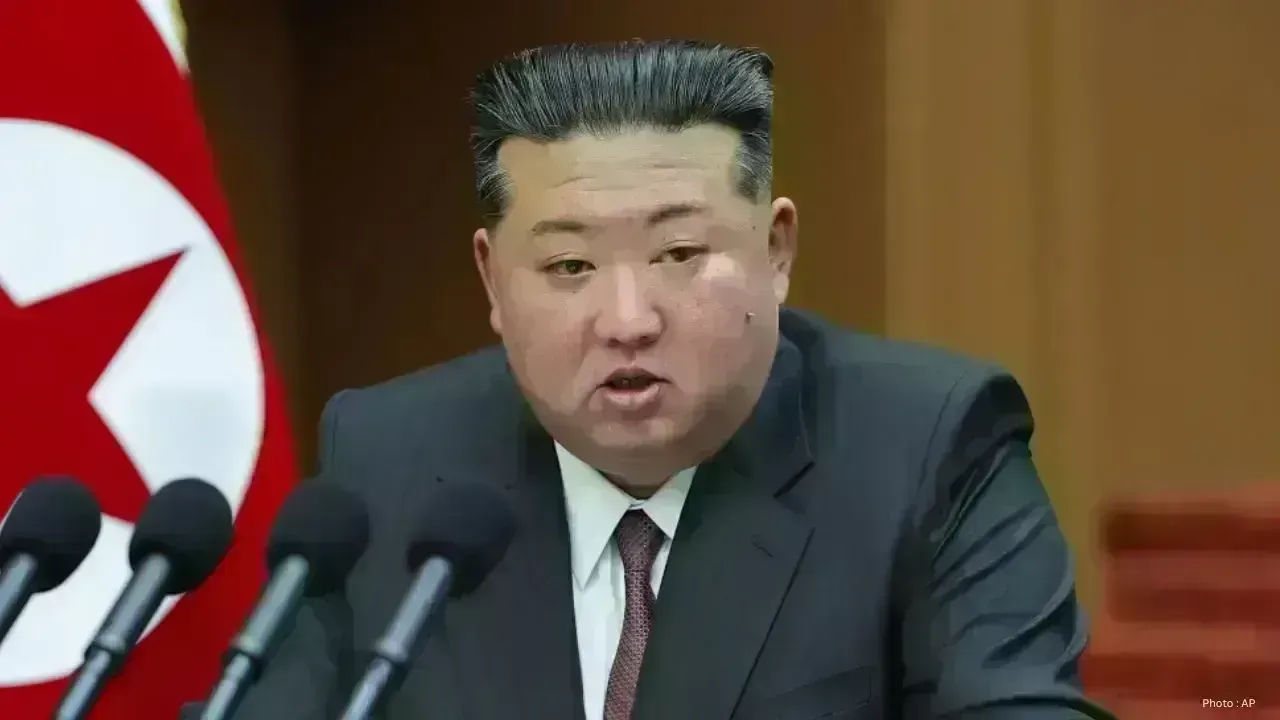
State media broadcasts featured leader Kim Jong Un touring a uranium enrichment site, framing the visit within the context of enhancing national defense capabilities. Analysts often interpret such exhibitions as assertions of military progress designed to solidify political messaging both domestically and on the international stage.
The nuclear initiative has been a major point of friction for decades. Despite various diplomatic efforts aimed at addressing fears surrounding its weaponization, achieving durable agreements has proven elusive. Persistent negotiation rounds involving regional and global players have repeatedly stumbled due to differing views on sanctions, security assurances, and disarmament methodologies.
Experts in military strategy predict that persistent investment in nuclear systems may bolster North Korea's capacity to widen its strategic arsenal. Enhancing enrichment techniques could lead to increased production capabilities, which may, in turn, reshape future defense strategies within the region. Neighboring nations and international security bodies are closely scrutinizing these trends.
Recent developments will likely prompt cautious responses from regional powers. South Korea and Japan, key U.S. allies, have historically expressed significant unease regarding North Korea's nuclear and missile undertakings. Any advancements in these areas can dramatically impact security assessments and defensive measures across Northeast Asia.
Washington continues to monitor these developments closely, with successive administrations seeking to mitigate nuclear proliferation through diplomatic channels, sanctions, and collaborative efforts. However, substantial progress has been stymied by entrenched political divides and conflicting security priorities.
These newest advancements could alter military strategies throughout the region, as countries frequently adjust defense policies in light of shifting security dynamics. Increased focus on missile defense systems, surveillance capabilities, and readiness may become part of comprehensive strategies to counter the evolving security landscape.
The economic implications cannot be underestimated. Persisting tensions can undermine investor trust, disrupt trade relations, and thwart long-term development prospects. An atmosphere of uncertainty regarding security can significantly shape economic decision-making across the region.
International organizations stress the crucial role of diplomatic efforts. Many analysts assert that maintaining a dialogue is essential for mitigating risks and averting further escalations. While negotiations are often complex and protracted, diplomatic solutions frequently emerge as the optimal route to achieving enduring stability.
North Korea's public display of nuclear initiatives could also serve to solidify its position in forthcoming negotiations. Showcasing technological advancements may provide leverage during diplomatic discussions, allowing leaders to engage from a perceived position of strength.
Nevertheless, trepidations persist regarding the escalation of regional competition. As one nation enhances its strategic capabilities, its neighbors often reevaluate their security postures, potentially leading to increased defense expenditures and a greater focus on military readiness.
This situation underscores the intricate interplay between national security, diplomacy, and international cooperation. Navigating these complexities requires prudent decision-making among governments in the region, as the actions of one nation can reverberate significantly across political and security landscapes beyond its own borders.
Addressing nuclear-related challenges remains a paramount concern for the global community. Promoting dialogue, transparency, and confidence-building measures will be essential in alleviating misunderstandings and preserving stability.
North Korea's latest uranium enrichment efforts serve as a stark reminder of the continued significance of nuclear matters within regional security dialogues. As governments remain vigilant regarding these changes, the focus will linger on whether future diplomatic initiatives can mitigate tensions and foster a more secure environment.










PM Modi Pays Tribute to Mahatma Gandhi, Urges People to Support Khadi
PM Modi pays tribute to Mahatma Gandhi on Gandhi Jayanti and urges citizens to support Khadi and the

Amazon Seeks to Offload $8 Billion in Nvidia Chips to Investors
Amazon plans to move $8 billion in Nvidia chips to investors, using a new financing model to strengt

Samsung Raises Galaxy S26 Prices as Memory Chip Costs Rise
Samsung raises Galaxy S26 prices in South Korea as rising memory chip costs put pressure on smartpho

Lewis Hamilton Calls Singapore Grand Prix One of F1's Toughest Races
Lewis Hamilton discusses the demanding Singapore Grand Prix and brings Plus44 and Almave to Singapor

Denmark's Pandora Opens World's Largest Jewellery Factory in Vietnam
Pandora opens its largest jewellery factory in Vietnam, expanding global production, strengthening s

Gautam Gambhir Questions Batting-Friendly Pitches After India's Record ODI Chase
Gautam Gambhir questions batting-friendly ODI pitches after India’s record chase, calling for a bett

