
You have not yet added any article to your bookmarks!
Join 10k+ people to get notified about new posts, news and tips.
Do not worry we don't spam!
Post by : Saif Rahman
As the summit between U.S. President Donald Trump and Chinese President Xi Jinping approaches, discussions about a new farm trade agreement are gaining traction. However, experts warn that China’s decreasing soybean demand might mitigate the benefits of any agreement between the two major economies.
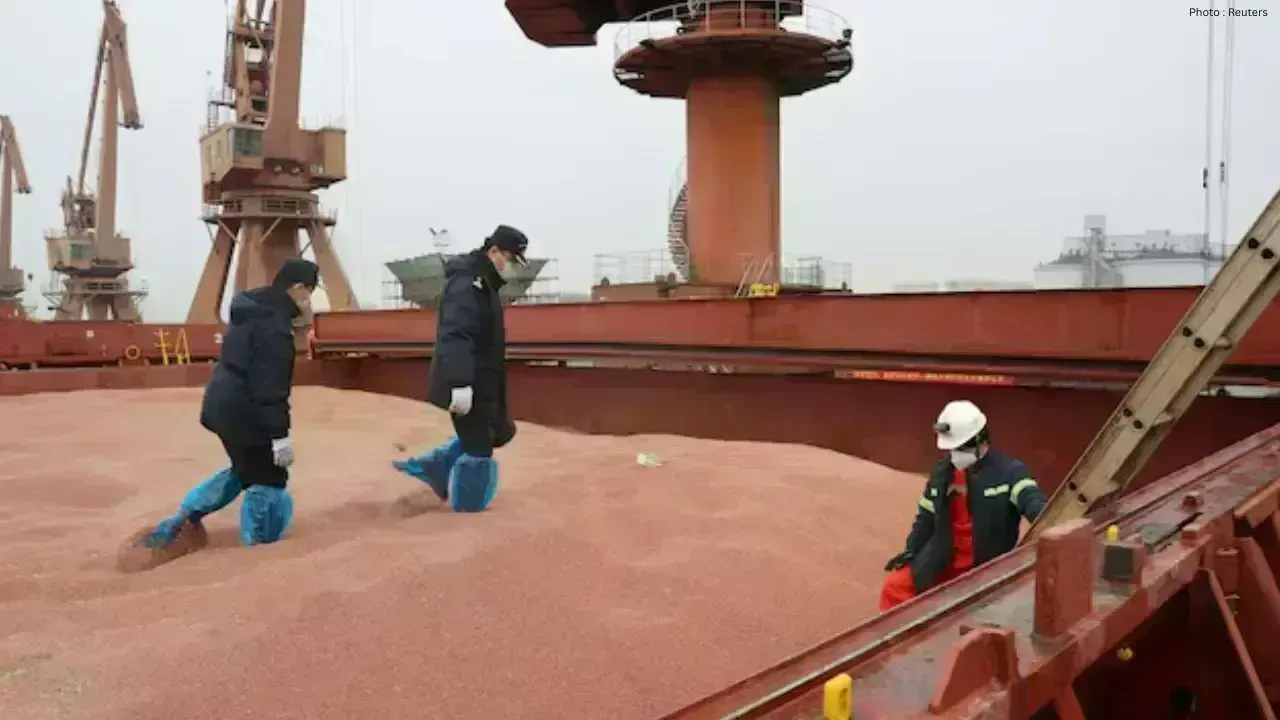
Reports indicate that U.S. officials are optimistic about increased agricultural purchases from China, particularly soybeans, as the country represents a significant market for American farmers. In past years, prior to escalating trade tensions, China was a leading importer of U.S. soybeans.
Soybeans play a crucial role in American agriculture, utilized extensively in animal feed, cooking oil, and other food products. Historically, China relied heavily on U.S. soybean imports to fuel its large livestock and food manufacturing sectors.
Nonetheless, this dynamic has shifted recently. Weaker economic growth in China and evolving consumer preferences, alongside challenges in the livestock industry, have led to a decline in soybean demand. Experts suggest that China’s import needs are considerably less than before.
China is also diversifying its sources for soybeans, sourcing from countries like Brazil and Argentina to reduce reliance on American agricultural products. Brazil has become the leading supplier of soybeans to China, enhancing Beijing's leverage in trade discussions with the U.S.
The anticipated farm agreement comes as both nations work to mend ties after prolonged trade disputes that have adversely affected businesses, manufacturers, and farmers.
For President Trump, securing a new agricultural deal may provide crucial support to American farmers, particularly ahead of upcoming political campaigns, as agricultural constituencies are significant in U.S. politics.
Simultaneously, China may utilize limited agricultural purchases as a bargaining chip in broader discussions involving tariffs, technological exchanges, and international market access. Experts believe that Beijing might refrain from committing to large-scale purchases if domestic demand continues to be weak.
The trade relationship between the U.S. and China is vital to the global economy, as these two countries represent some of the largest markets worldwide, with any tensions impacting global trade and finance.
Even if an agreement regarding soybeans is reached, analysts suggest it may not completely restore previous trade volumes between the nations. Shifts in global agricultural markets and increased supply sources have changed the landscape significantly.
This situation illustrates the interplay between politics and economics in international trade, where agricultural exports extend beyond merely responding to demand, encapsulating diplomacy and economic strategy between significant world powers.
American farmers remain hopeful for enhanced export pathways after navigating years of tariff-related uncertainties and global market fluctuations. Many believe that fostering stable relations with China is essential for the future of U.S. agriculture.
Meanwhile, Chinese authorities are likely to proceed with caution, addressing slowing economic growth while striving to bolster domestic sectors. Beijing is attempting to balance the need for trade cooperation with its ambitions for economic self-sufficiency.
The upcoming Trump-Xi summit could yield promising outcomes, but experts caution that substantial differences persist. Issues such as trade, technology, Taiwan, and political influence continue to escalate tensions between the two nations.
In summary, while any soybean trade agreement might offer marginal economic relief, it will not signify a comprehensive resurgence in U.S.-China relations. The summit will be closely monitored, as decisions made could significantly influence global trade and economic stability for the future.
#Business News #Business Updates #Business & economy #Business










PM Modi Pays Tribute to Mahatma Gandhi, Urges People to Support Khadi
PM Modi pays tribute to Mahatma Gandhi on Gandhi Jayanti and urges citizens to support Khadi and the

Amazon Seeks to Offload $8 Billion in Nvidia Chips to Investors
Amazon plans to move $8 billion in Nvidia chips to investors, using a new financing model to strengt

Samsung Raises Galaxy S26 Prices as Memory Chip Costs Rise
Samsung raises Galaxy S26 prices in South Korea as rising memory chip costs put pressure on smartpho

Lewis Hamilton Calls Singapore Grand Prix One of F1's Toughest Races
Lewis Hamilton discusses the demanding Singapore Grand Prix and brings Plus44 and Almave to Singapor

Denmark's Pandora Opens World's Largest Jewellery Factory in Vietnam
Pandora opens its largest jewellery factory in Vietnam, expanding global production, strengthening s

Gautam Gambhir Questions Batting-Friendly Pitches After India's Record ODI Chase
Gautam Gambhir questions batting-friendly ODI pitches after India’s record chase, calling for a bett

