
You have not yet added any article to your bookmarks!
Join 10k+ people to get notified about new posts, news and tips.
Do not worry we don't spam!
Post by : Saif Rahman
The recent undersea earthquake near the Philippines has showcased the persistent threat posed by natural disasters in the Pacific region. Measuring 8.2 in magnitude, this powerful tremor triggered a wave of tsunami warnings across various coastal regions, calling for swift action from emergency authorities. Concern has spread among millions residing near the coastline, emphasizing the critical need for disaster preparedness and effective early warning systems.
The earthquake originated from beneath the ocean's surface, a seismic activity type that often brings the risk of significant sea wave generation. Immediately after detecting the tremor, government agencies and monitoring centers launched alerts for coastal communities that could face tsunami threats. Residents in at-risk areas were urged to remain vigilant and heed instructions from local officials.
Situated within the Pacific Ring of Fire, the Philippines experiences frequent seismic and volcanic events due to the convergence of several major tectonic plates beneath the Earth. As these plates shift, they accumulate pressure that, when released, can result in strong tremors leading to potentially destructive natural phenomena.
This recent seismic occurrence underscores the importance of robust monitoring systems that many Pacific nations have invested in. Advanced technological tools now allow scientists to detect underwater movements almost instantaneously and issue preemptive warnings before hazardous waves reach coastal zones. Such alerts are invaluable for evacuation preparations, often making the difference between life and death.
In the aftermath of the earthquake, authorities were prompt in their response. Emergency management teams kept a close eye on oceanic conditions, coordinated with local governments, and advised residents to avoid beaches and low-lying areas. Such rapid responses have become essential components of disaster management strategies in regions prone to natural calamities.
While tsunami alerts can lead to anxiety, they play a critical role in ensuring public safety. Not every significant earthquake results in destructive waves; however, officials must exercise caution when it comes to public safety matters. Issuing alerts provides a framework for preparation while continually evaluating developments through scientific insights and real-time data.
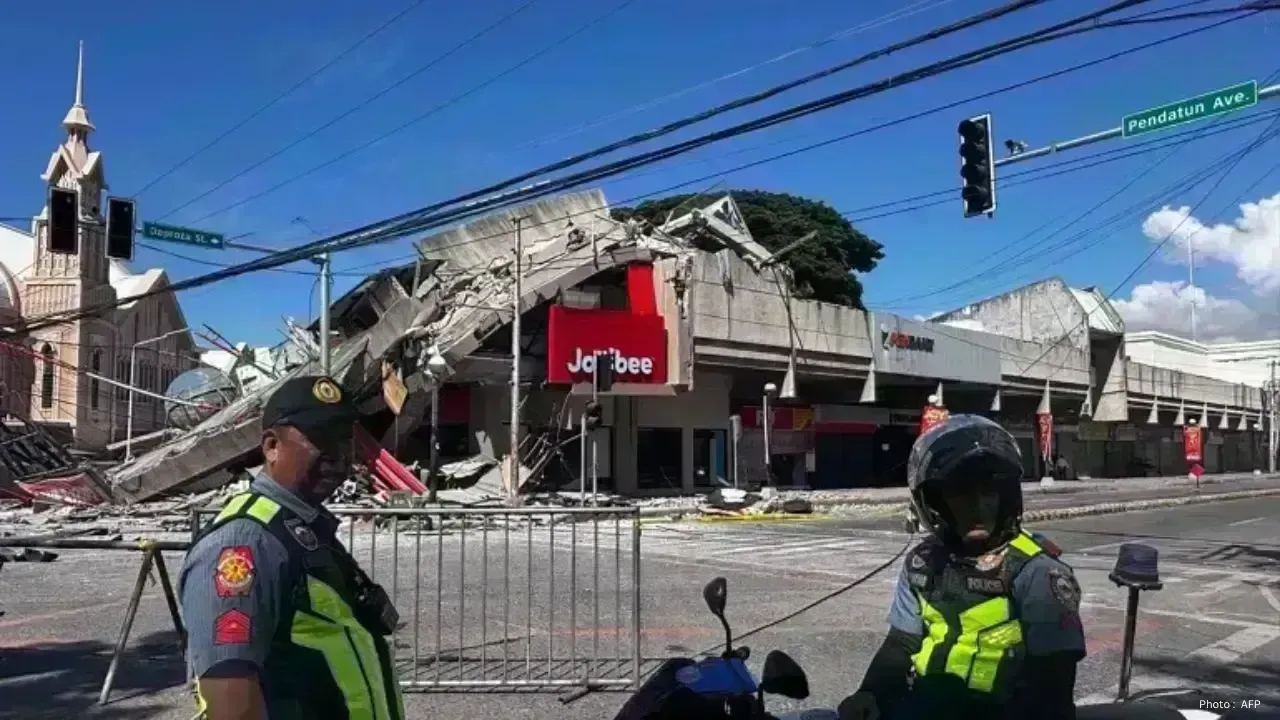
The ramifications of such earthquakes extend beyond immediate tsunami threats. Strong ground shakes can lead to structural damage in buildings, roads, bridges, communication systems, and power networks. Communities may face disruptions affecting daily life and economic activities even when earthquakes occur offshore. Recovery can span weeks to years, depending on the extent of the destruction.
Natural disasters also place immense pressure on emergency response teams. Swift mobilization by rescue personnel, healthcare providers, and local officials is essential. Their capacity to respond effectively often hinges on pre-established plans, training rigor, and public cooperation. Communities that engage in preparedness drills and safety education tend to fare better in crises.
The international dimension of tsunami risks cannot be overlooked, as these threats can traverse national borders. Waves produced by powerful underwater quakes can span vast ocean distances, prompting neighboring nations and even distant coastal regions to monitor developments closely. Cooperation among scientific agencies worldwide is crucial for sharing information and ensuring the safety of populations throughout the Pacific area.
Factors like climate and geography can further dictate the impact of such disasters. Coastal towns, fishing communities, tourist hubs, and ports are frequently among the most at risk. Significant economic ramifications can ensue if vital infrastructure is compromised or commercial operations disrupted, underscoring the need for robust disaster preparedness strategies.
The recent earthquake serves as a stark reminder of nature's unpredictability, despite scientific advances in risk assessment and monitoring. While researchers can pinpoint risk-prone areas and enhance early warning systems, the occurrence of earthquakes themselves is beyond human control. However, governments, institutions, and citizens can significantly influence preparedness levels.
Public education remains an invaluable tool for mitigating disaster-related harms. Individuals equipped with knowledge about evacuation processes, emergency communication, and safety protocols are better positioned to safeguard themselves and their families. Constant awareness initiatives play a crucial role in ensuring communities are prepared for future emergencies.
The Pacific region's history is marked by numerous significant earthquakes, reiterating the necessity of resilience. Investment in durable infrastructure, state-of-the-art monitoring technology, and collaborative emergency planning has reduced risks in many areas. Yet, ongoing vigilance is critical, as seismic activity remains a defining reality for nations along major fault lines.
The recent massive earthquake off the Philippines serves as more than just a geological event; it is a reminder of the importance of readiness, collaboration, and swift responses. As authorities continue to evaluate the situation and watch for potential aftershocks, this incident illuminates the vital role of early warning systems and public readiness. In a landscape prone to natural hazards, preparedness remains the best defense for future challenges.










PM Modi Pays Tribute to Mahatma Gandhi, Urges People to Support Khadi
PM Modi pays tribute to Mahatma Gandhi on Gandhi Jayanti and urges citizens to support Khadi and the

Amazon Seeks to Offload $8 Billion in Nvidia Chips to Investors
Amazon plans to move $8 billion in Nvidia chips to investors, using a new financing model to strengt

Samsung Raises Galaxy S26 Prices as Memory Chip Costs Rise
Samsung raises Galaxy S26 prices in South Korea as rising memory chip costs put pressure on smartpho

Lewis Hamilton Calls Singapore Grand Prix One of F1's Toughest Races
Lewis Hamilton discusses the demanding Singapore Grand Prix and brings Plus44 and Almave to Singapor

Denmark's Pandora Opens World's Largest Jewellery Factory in Vietnam
Pandora opens its largest jewellery factory in Vietnam, expanding global production, strengthening s

Gautam Gambhir Questions Batting-Friendly Pitches After India's Record ODI Chase
Gautam Gambhir questions batting-friendly ODI pitches after India’s record chase, calling for a bett

