You have not yet added any article to your bookmarks!
Join 10k+ people to get notified about new posts, news and tips.
Do not worry we don't spam!
Post by : Saif Rahman
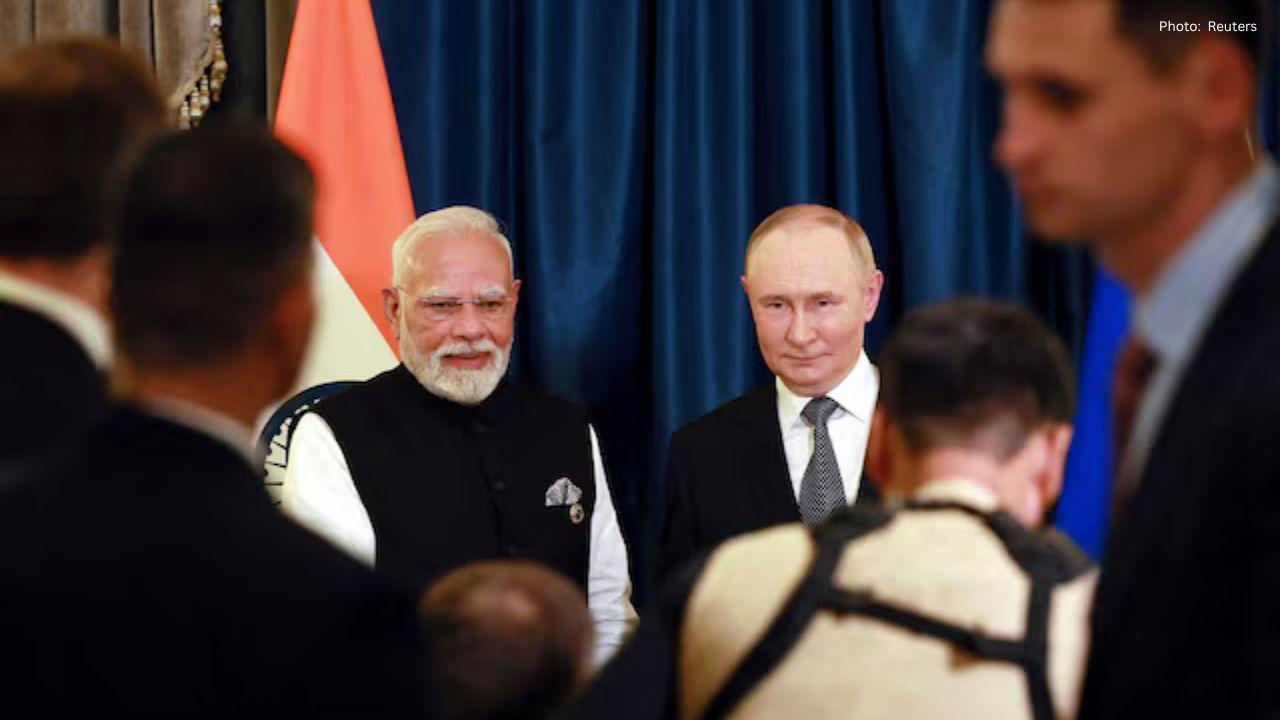
On Thursday, Russian President Vladimir Putin is set to embark on a pivotal two-day journey to India, an event that is expected to redefine the dynamics of the longstanding relationship between New Delhi and Moscow. This visit is crucial as both countries navigate a shifting global landscape, grappling with increasing external pressures and crises that affect their trade interactions. Putin's primary objective is clear: he seeks to sustain India's imports of Russian oil and rekindle interest in Russian military hardware like missile systems and fighter jets.
India has long relied on Russian military technology, with a substantial number of jets, missiles, and combat systems sourced from Russia. Recently, India has emerged as the largest purchaser of Russian maritime oil, especially following the geopolitical upheaval following Russia's invasion of Ukraine in 2022. However, recent shifts indicate a decline in India's imports of Russian crude, expected to hit a three-year low this month due to tightening sanctions and rising purchases from the U.S. This backdrop propels the Russian president to visit with a significant entourage, which includes the defence minister and leaders from key Russian oil and banking sectors.
This visit carries both significance and sensitivity for India. While New Delhi intends to maintain its enduring partnership with Moscow, it is acutely aware that any substantial agreements could provoke a backlash from U.S. President Donald Trump, who escalated tariffs on several Indian goods earlier this year in response to India's continued Russian oil imports. Consequently, Indian representatives are taking a cautious stance in the lead-up to the summit. However, comprehensive discussions are ongoing on various fronts, including defence, shipping, agriculture, and nuclear cooperation. Furthermore, India and Russia plan to initiate negotiations for a potential free trade agreement with the Eurasian Economic Union, led by Russia.
During the discussions, Russia may seek India's assistance in sourcing spare parts and technical support for its beleaguered oil sector, which is suffering under Western sanctions. In exchange, India may advocate for a reinstatement of its 20% share in the Sakhalin-1 oil project in eastern Russia, a stake that has been put in jeopardy since the Ukraine conflict began. Securing this interest is essential for India's long-term energy strategy, while the substantial discounts on Russian oil are reigniting interest among Indian refiners, with both Indian Oil and Bharat Petroleum confirming new purchase orders for the upcoming months.
As energy collaborations face challenges, the defence partnership remains robust. India remains heavily dependent on Russian military systems, particularly for its air force and missile defence. The Russian-sourced Sukhoi-30 aircraft are integral to India's fighter fleet. While Russia has offered its latest Su-57 fighter jets, India has yet to make a decision. Another key agenda item for the summit includes the S-400 air defence system; India already operates three units and is expecting two more under prior agreements.
Analysts suggest that ongoing dialogues between the U.S. and Russia over the Ukraine crisis might make it a bit easier for India to engage with Moscow, though the situation is still precarious. A significant component of the historical India-Russia trade relationship hinges on energy, an area now beset with challenges due to U.S. sanctions. Nevertheless, defence cooperation remains a sphere where both nations feel assured, preserving their connections.
Putin’s visit coincides with India’s effort to navigate its role among dominant global powers. On one side lies Russia, a long-standing ally that has assisted India's military ambitions, while on the other stands the U.S., a crucial economic partner imposing stringent conditions on India's ties with Moscow. This trip will be a litmus test to determine how effectively India can manage both relationships, safeguarding its national interests. The forthcoming two days will determine whether New Delhi and Moscow can adapt their collaboration to reflect contemporary realities, or whether external pressures will constrain their partnership.
#World #Global Updates #World News #Global Global News world news





Study Warns Using AI for Medical Advice Is ‘Dangerous’ as Users Get Inaccurate Health Guidance
A major new study reveals that artificial intelligence (AI) chatbots and tools may give misleading o

Top Sci-Fi Movies Streaming on Netflix This February: Must-Watch Picks for Genre Fans
A curated news-style guide to the best science fiction films currently available on Netflix in Febru
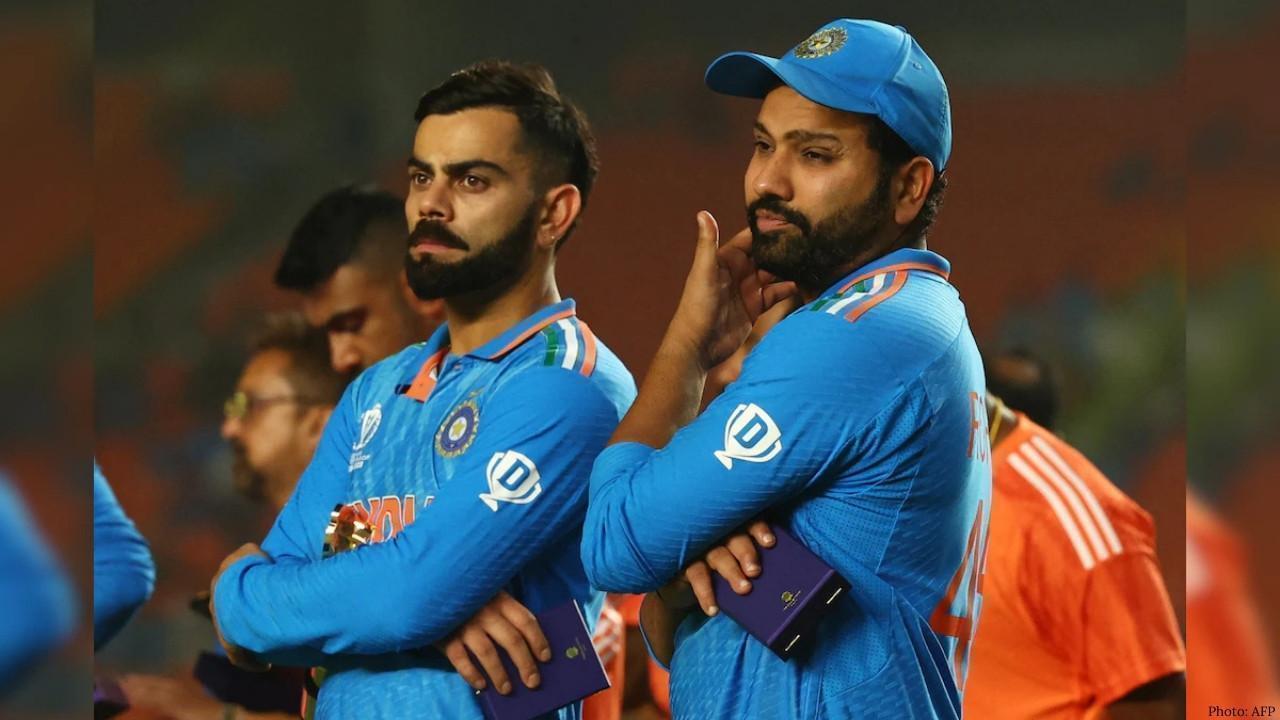
BCCI Central Contracts Shake-Up: Kohli, Rohit Moved to Grade B as Board Reshapes 2025–26 List
Virat Kohli and Rohit Sharma have been placed in Grade B in the BCCI’s 2025–26 central contract list

Dalal Street Spotlight: Top 10 Stocks Investors Are Watching as Markets Open on a High
Indian stock markets begin the week with strong momentum, and several blue-chip and mid-cap stocks a

Market Movers Today: Key Stocks Set To Watch In Indian Markets
Indian equity markets are poised for active trading as several major companies, including Bharti Air
Milan Welcomes the World: Inside the Grand Opening Ceremony of the 2026 Winter Olympics
The 2026 Winter Olympics opening ceremony in Milan marked a defining moment for global sport, blendi