
You have not yet added any article to your bookmarks!
Join 10k+ people to get notified about new posts, news and tips.
Do not worry we don't spam!
Post by : Shweta
Experts nationwide are sounding the alarm over a sharp increase in tick-borne illnesses, with climbing temperatures and shifting climatic influences enabling disease-carrying ticks to proliferate in new areas. Public health organizations have reported growing cases of Lyme disease and various other tick-related infections throughout Ontario, Quebec, New Brunswick, Nova Scotia, and parts of Western Canada.
Researchers and health officials indicate that ticks are now venturing beyond traditionally infested regions and summer months. They attribute this to milder winters that allow tick populations to remain active longer, thereby elevating human exposure risks. Notably, some species are migrating into Canadian territories where they were seldom seen previously.
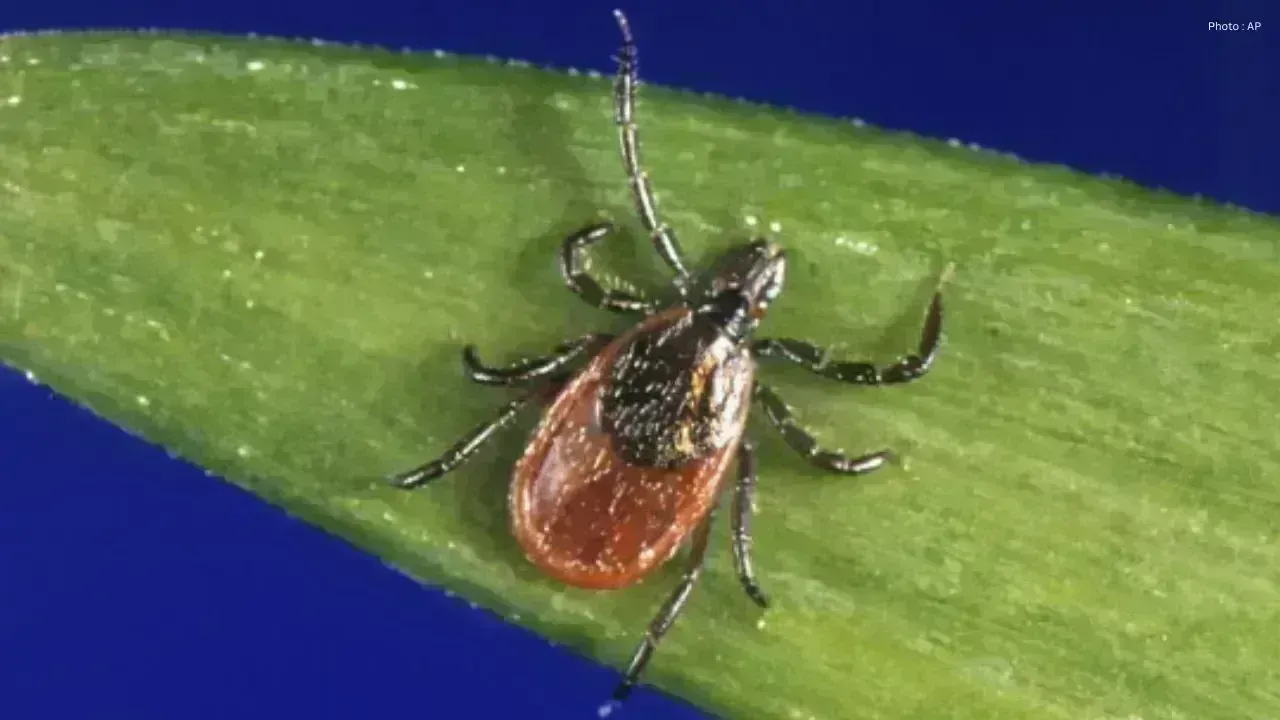
Medical professionals have identified black-legged ticks, often referred to as deer ticks, as primary transmitters of Lyme disease in Canada. However, these ticks can also carry other severe infections such as anaplasmosis, babesiosis, and Powassan virus disease. The Public Health Agency of Canada highlights these diseases as emerging public health concerns due to expanding tick populations and the increasing likelihood of human-tick interactions.
Those most at risk include outdoor workers, hikers, campers, farmers, pet owners, and anyone engaging in grassy or wooded environments. Health officials note that ticks commonly inhabit tall grass, bushes, forests, parks, and even residential yards. Recently, several local health units in Ontario have reported a significant uptick in tick populations compared to the previous years.
Recent statistics from the United States Centers for Disease Control and Prevention indicate that emergency room visits related to tick bites have reached their highest levels since 2017 in many regions, a trend that Canadian researchers suspect is mirrored in parts of Canada.
Doctors emphasize that early indicators of tick-borne diseases include fever, fatigue, headaches, muscle aches, skin rashes, chills, and joint discomfort. Untreated infections can severely impact the nervous system, heart, liver, or brain. While Lyme disease is often effectively treatable if diagnosed promptly, delays could lead to enduring health issues.
Public health officials are urging Canadians to adopt preventive strategies when outdoors. Recommendations include wearing long sleeves and full-length pants and choosing light-colored clothing to increase tick visibility. The use of insect repellents containing DEET, sticking to cleared walking paths, and conducting thorough checks for ticks on oneself, clothing, and pets post-outing are also advised.
Experts pointed out that swift tick removal can significantly minimize infection risks, as many diseases are transmitted only after a tick has latched on for several hours. If symptoms develop following a tick bite or if unusual rashes appear, seeking medical advice is strongly recommended.
Researchers assert that factors such as climate change, rising wildlife numbers, and shifts in ecosystems are driving the burgeoning tick populations throughout Canada. They caution that without intensified public awareness and prevention efforts, the situation is likely to worsen in the coming years.










PM Modi Pays Tribute to Mahatma Gandhi, Urges People to Support Khadi
PM Modi pays tribute to Mahatma Gandhi on Gandhi Jayanti and urges citizens to support Khadi and the

Amazon Seeks to Offload $8 Billion in Nvidia Chips to Investors
Amazon plans to move $8 billion in Nvidia chips to investors, using a new financing model to strengt

Samsung Raises Galaxy S26 Prices as Memory Chip Costs Rise
Samsung raises Galaxy S26 prices in South Korea as rising memory chip costs put pressure on smartpho

Lewis Hamilton Calls Singapore Grand Prix One of F1's Toughest Races
Lewis Hamilton discusses the demanding Singapore Grand Prix and brings Plus44 and Almave to Singapor

Denmark's Pandora Opens World's Largest Jewellery Factory in Vietnam
Pandora opens its largest jewellery factory in Vietnam, expanding global production, strengthening s

Gautam Gambhir Questions Batting-Friendly Pitches After India's Record ODI Chase
Gautam Gambhir questions batting-friendly ODI pitches after India’s record chase, calling for a bett

