
You have not yet added any article to your bookmarks!
Join 10k+ people to get notified about new posts, news and tips.
Do not worry we don't spam!
Post by : Saif Rahman
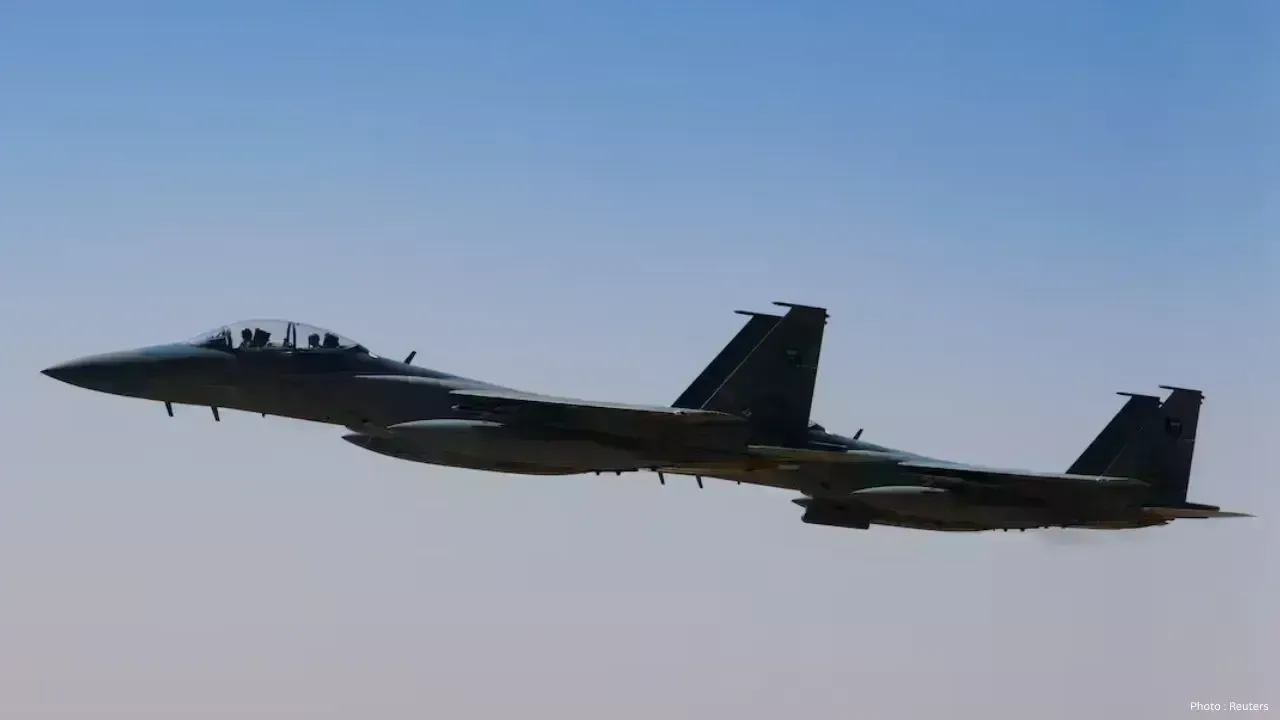
Amidst rising tensions in the Middle East, reports have surfaced alleging that Saudi Arabia conducted covert military operations within Iran during the ongoing regional conflict. As detailed in a Reuters article from May 12, the strikes, reportedly executed in late March, were in retaliation to missile and drone attacks that targeted Saudi territory amid heightened hostilities with Iran.
If substantiated, this action would represent the first known instance of Saudi military intervention directly inside Iranian borders. The stakes are considerable as Saudi Arabia and Iran are leading powers whose rivalry has historical roots in the quest for regional dominance through political maneuvers, proxy warfare, and indirect confrontations. A direct clash could substantially alter the power dynamics in the Gulf and heighten the risk of a broader regional conflict.
The report indicated that Saudi air forces undertook several unannounced strikes following a series of Iranian missile and drone assaults on various Saudi sites, though specific locations remain undisclosed. Saudi authorities have not officially confirmed these operations, and Iran has remained silent regarding the accusations.
These actions took place against a backdrop of increased conflict initiated by U.S. and Israeli airstrikes on Iran earlier in the year, subsequently escalating tensions across the Gulf. Reports suggest Iran has targeted crucial infrastructure, including oil facilities and military bases, in several Gulf states, particularly Saudi Arabia.
Traditionally reliant on U.S. military support, the current conflict has compelled Riyadh to adopt a more assertive military posture. Experts believe that persistent threats to its oil industry and national security may have contributed to Saudi Arabia's decision to engage directly.
The Gulf region holds significant importance for the global economy, being a crucial supplier of oil. Any conflict involving Saudi Arabia and Iran risks disrupting fuel prices and international trade routes. The strategic Strait of Hormuz, a vital channel for oil transport, has recently seen Iranian assertions of expanded military control, raising anxieties over global energy supply stability.
Financial markets are already feeling the tremors of this escalating situation, with oil prices sharply rising and Gulf stock indices experiencing declines as investors contemplate the repercussions of conflict.
A noteworthy aspect from the Reuters report is the potential decrease in Iranian assaults on Saudi Arabia following the alleged Saudi strikes. Some officials suggest that dialogue attempts between Riyadh and Tehran may have momentarily eased tensions, indicating an awareness of the risks posed by a larger-scale military escalation.
Despite this, the overall situation is precarious. Years of volatility across Yemen, Syria, Iraq, and Lebanon have already destabilized the region, and a military confrontation between these powers may draw in other nations like the UAE, Qatar, and Bahrain, either directly or indirectly.
Humanitarian consequences are also a significant concern. Conflicts in the Middle East have previously led to devastating civilian casualties, displacement, and detrimental impacts on vital infrastructure. During such hostilities, essential facilities often become primary targets, with civilians enduring the brunt of governmental disputes.
The reported Saudi strikes underscore a trend towards clandestine and limited military actions, where governments aim to exert influence quietly while evading public scrutiny. This approach fosters uncertainty, leaving citizens and the global community unaware of the complete scope of military engagements.
In light of these developments, diplomatic interventions are critical. Numerous countries, including major powers, are anticipated to advocate for de-escalation to avert a catastrophic regional war. Organizations like the United Nations may intensify efforts to push for negotiations and ceasefire arrangements.
Nevertheless, trust between Iran and Gulf Arab states remains feeble, with longstanding rivalries and proxy wars creating enduring divisions. Even if temporary tranquility is reached, the likelihood of future confrontations persists unless comprehensive political resolutions are pursued.
The latest revelations serve as a stark reminder of the delicate nature of peace in the Middle East. A single military action or misjudgment could rapidly spiral into a larger-scale conflict, with global repercussions affecting energy prices, trade, and international security far beyond the region.
#Global News #World Update #Global Updates #Middle East #Middle East Crisis










PM Modi Pays Tribute to Mahatma Gandhi, Urges People to Support Khadi
PM Modi pays tribute to Mahatma Gandhi on Gandhi Jayanti and urges citizens to support Khadi and the

Amazon Seeks to Offload $8 Billion in Nvidia Chips to Investors
Amazon plans to move $8 billion in Nvidia chips to investors, using a new financing model to strengt

Samsung Raises Galaxy S26 Prices as Memory Chip Costs Rise
Samsung raises Galaxy S26 prices in South Korea as rising memory chip costs put pressure on smartpho

Lewis Hamilton Calls Singapore Grand Prix One of F1's Toughest Races
Lewis Hamilton discusses the demanding Singapore Grand Prix and brings Plus44 and Almave to Singapor

Denmark's Pandora Opens World's Largest Jewellery Factory in Vietnam
Pandora opens its largest jewellery factory in Vietnam, expanding global production, strengthening s

Gautam Gambhir Questions Batting-Friendly Pitches After India's Record ODI Chase
Gautam Gambhir questions batting-friendly ODI pitches after India’s record chase, calling for a bett

