You have not yet added any article to your bookmarks!
Join 10k+ people to get notified about new posts, news and tips.
Do not worry we don't spam!
Post by : Anis Farhan
For today’s students, planning a career no longer feels like drawing a straight line from classroom to office. The world they are stepping into is shifting faster than their textbooks can keep up with. Headlines about layoffs, automation, and corporate downsizing have replaced stories of stable jobs and long careers at single companies. As a result, young people now approach education with fear, urgency and strategy rather than blind optimism.
Many students are no longer asking which degree they should pursue. They are asking whether the degree will still matter when they graduate. This uncertainty is not just academic; it affects family conversations, financial decisions, and future dreams. Parents who once believed that good marks guaranteed a good life are now quietly worried. Students sense this insecurity and are adapting their choices accordingly.
This generation is not uncertain because it is indecisive. It is uncertain because the world around it is unstable.
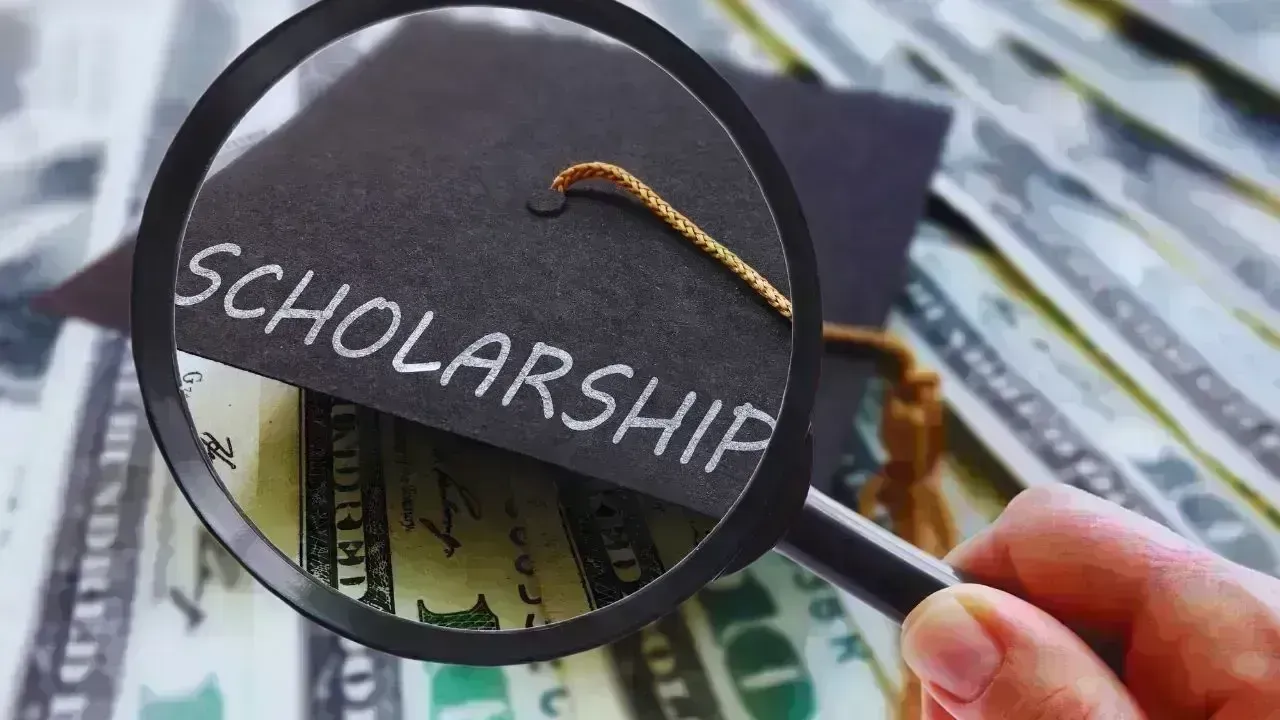
Earlier, scholarships were viewed as rewards for toppers or relief for the underprivileged. Today, they are being treated as strategic tools for survival. Tuition fees continue to rise while household incomes struggle to keep up. Students are now treating scholarships as financial shields rather than academic trophies.
Young learners actively track global funding programs, merit-based grants, need-based support, and even country-specific education schemes. They understand that education without debt gives them freedom later to experiment, switch careers, or start businesses. A student who takes heavy loans enters the workforce under pressure. A student with funding starts with flexibility.
Scholarships also provide something more than money. They offer legitimacy. They open doors to institutions, alumni networks, and mentors who may shape a career more powerfully than any textbook.
Degrees still matter. But skills decide survival.
Employers today are not impressed by marks alone. They want proof of ability. Coding portfolios, writing samples, design mock-ups, business case studies and freelance work now carry equal weight with certificates.
Students are responding by moving beyond classrooms. They are enrolling in online courses, watching tutorials, practising new software and participating in digital communities. Many are learning foreign languages, advanced computing, financial literacy and business analytics alongside their regular degrees.
This is not because universities have failed completely, but because they move slowly while industries change rapidly. A curriculum designed today may already be outdated tomorrow.
Young people who wait for formal education to deliver everything often feel left behind. Those who take skill-building into their own hands feel empowered.
The idea of working a single job for decades now feels outdated. Students increasingly believe that depending on one income is dangerous. That belief is reshaping how they spend their free time.
Photography, graphic design, tutoring, content writing, video editing, social media management, coding, online selling and consulting are becoming normal student activities. What once started as hobbies are now treated as business opportunities. A student may attend lectures in the morning and edit videos at night. Weekends are no longer free time alone; they are business hours.
These side-hustles offer more than money. They teach risk-taking, time management, client handling and self-marketing. Students who manage their own small businesses learn problem-solving skills that no classroom exercise can replicate.
Income from side activities also gives psychological security. When students earn even small amounts independently, they feel less trapped by traditional employment pathways.
Students are no longer limiting ambition to one country. Many see global education and remote work as practical routes, not unrealistic dreams. International certifications, student exchange programs, foreign internships and international research opportunities are being actively pursued.
The internet has flattened the job market. A student based in a small town can now work for a company hundreds of kilometres away. Borders are no longer career barriers.
This mindset shift is extremely powerful. Students believe that they are competing globally, not locally. That belief makes them work harder, learn faster and plan smarter.
Earlier generations often followed family expectations without question. Doctors, engineers, lawyers and civil servants dominated household dreams. Today, many parents still carry those aspirations, but they are also beginning to listen.
They have seen industries collapse. They have seen friends lose jobs. They understand insecurity.
As a result, many parents now support skill-based education alongside traditional degrees. They may not fully understand digital careers, but they recognise stability when they see capability. A child who can build something, write something or sell something feels safer than one who only waits for placement season.
This slow generational change is helping children make braver decisions.
Students today are not just competing in classrooms. They are competing on social platforms, freelance markets, startup spaces and professional networks.
The pressure can be overwhelming.
Everyone seems to be doing something impressive. Someone is launching a startup. Someone is freelancing internationally. Someone is winning grants.
Behind this noise is quiet insecurity.
Students feel inadequate easily. Comparison is constant. Burnout is common.
Yet, this competitive environment also creates resilience. Students adapt faster. They learn failure early. They become self-reliant.
The job market is not forgiving.
So students are becoming stronger.
Many young people today study not out of love for knowledge alone, but as an act of defence. Education is no longer just growth; it is protection.
They choose courses that offer flexibility. They avoid paths with limited exits. They ask practical questions about package ranges and placement rates. Romantic ideas are being replaced by realistic calculations.
Passion still exists. But it is now balanced with planning.
Dreams have not disappeared.
They have simply grown smarter.
Despite these changes, many institutions are slow to evolve. Syllabi remain outdated. Internship opportunities are limited. Skill training is secondary.
Students often teach themselves what colleges don’t.
This mismatch frustrates learners who realise too late that they invested years without gaining useful abilities.
Colleges that integrate career readiness, soft skills, and technology training are becoming exceptions rather than norms.
The gap between education and employment remains wide.
Students are building bridges themselves.
Behind ambition lies anxiety.
Students worry silently about failure, income and expectations. They carry family pressure, societal gaze and internal doubt.
Side-hustles help financially, but they exhaust mentally. Scholarships relieve money tension, but increase performance pressure. Skill-building takes time away from rest.
Students rarely appear relaxed.
They appear productive.
There is a difference.
The job market may create winners, but it also creates tired youth.
Mental health support must grow as fast as career guidance.
Despite hardship, this generation is not weak.
It is adaptable.
It learns faster.
It switches careers confidently.
It builds independently.
It earns early.
It thinks globally.
It may struggle today, but it is quietly building something earlier generations never had — options.
When one door closes, this generation looks for windows.
Students are not waiting for governments to fix the job market.
They are fixing themselves.
They apply for funding.
They learn independently.
They earn creatively.
They think globally.
The uncertain job market has not paralysed them.
It has sharpened them.
Insecurity is no longer a weakness.
It is fuel.
DISCLAIMER
This article is for general awareness and educational purposes only. It does not constitute academic, financial or career advice. Students and parents are encouraged to consult professional counsellors and official educational bodies before making critical decisions.








Jacob Bethell Returns as England Name Squads for Australia Tour
England name ODI and T20 squads for the Australia tour, with Jacob Bethell returning from injury and

Beauden Barrett Opens Up About Mental Struggles During All Blacks Exile
Beauden Barrett discusses his confidence struggles after missing six tests, his return against Austr
IMF Says AI Investment Supports Global Growth Despite Energy Shock
IMF says AI investment is supporting global growth near 3%, with Asian economies benefiting from ris

Will O'Rourke Ruled Out of New Zealand's India Series
New Zealand fast bowler Will O'Rourke will miss the India series with hamstring and calf injuries as

AI Companies Expected to Drive Most US Earnings Growth in Q3
AI companies are expected to drive US third-quarter earnings growth as investors assess tech profits

Money Market Funds See Record Inflows as Global Bond Selloff Intensifies
Global money market funds attract $153.81 billion as bond yields rise, inflation fears persist and i