You have not yet added any article to your bookmarks!
Join 10k+ people to get notified about new posts, news and tips.
Do not worry we don't spam!
Post by : Anis Farhan
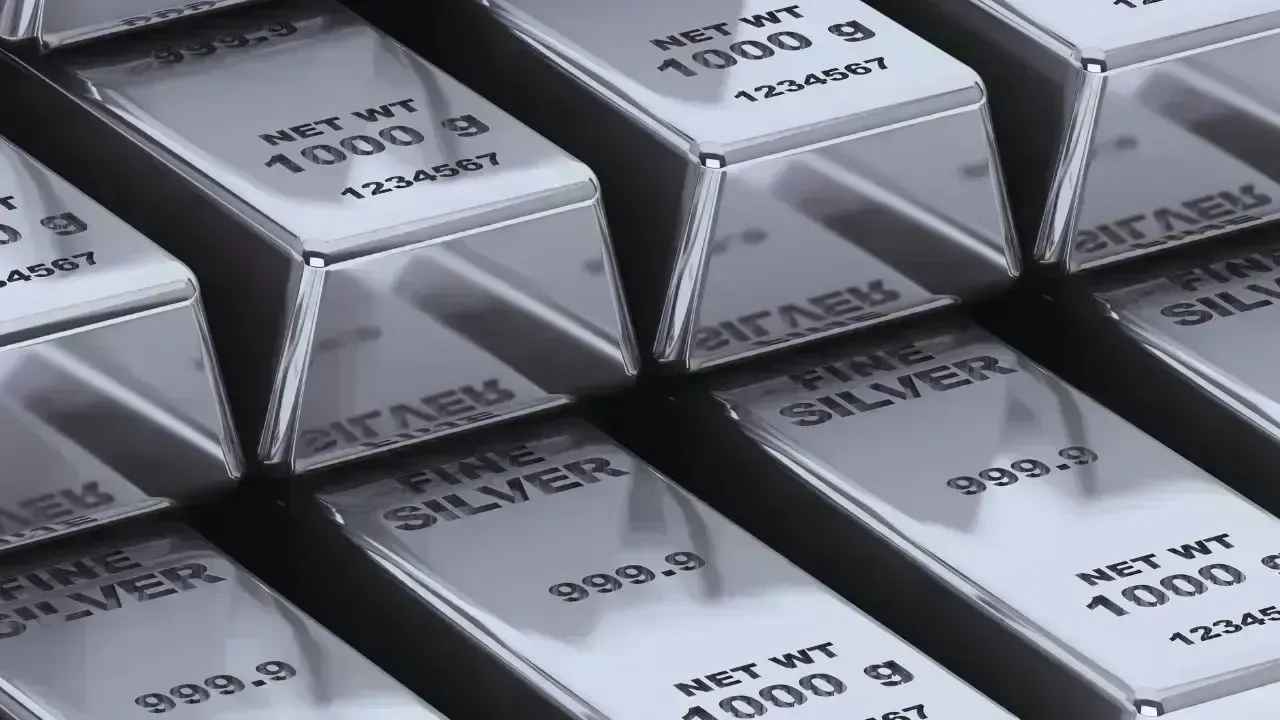
Silver prices witnessed an explosive rally, surging nearly 6% in a single trading session to scale a fresh lifetime high above ₹2,54,000 per kilogram in the domestic market. The sharp jump caught both traders and long-term investors by surprise, especially as silver has outperformed not just gold but most other asset classes in recent months.
The rally reflects a confluence of global and domestic factors. Strong overseas cues, rising industrial demand expectations, and increased investor interest in precious metals as a hedge against macroeconomic uncertainty have all played a role. The move was further amplified by momentum buying and short covering, pushing prices swiftly into uncharted territory.
What makes this surge particularly significant is its speed. Unlike gradual uptrends, silver’s recent move has been aggressive, raising a crucial question for investors: does the rally have further legs, or is caution warranted at current levels?
One of the biggest drivers behind silver’s rally is the broader strength seen in precious metals globally. Gold prices have remained firm, supported by expectations of softer monetary policy, persistent geopolitical risks, and continued central bank diversification. Silver, often seen as gold’s more volatile cousin, tends to amplify these moves.
When investor confidence in traditional currencies weakens or inflation expectations rise, silver attracts speculative as well as defensive flows. This dual role—both as a precious metal and an industrial commodity—gives silver an edge during periods of global uncertainty.
Unlike gold, silver has significant industrial applications, ranging from electronics and medical devices to electric vehicles and renewable energy. The global push toward clean energy has dramatically increased silver usage, particularly in solar panels.
With expectations of higher infrastructure spending and energy transition projects worldwide, demand forecasts for silver have strengthened. Markets tend to price in future demand well ahead of actual consumption, which partly explains the aggressive move seen in prices.
Silver prices often move inversely to the US dollar and interest rates. Recent signals pointing toward a more accommodative global monetary environment have weighed on bond yields and the dollar, making non-yielding assets like silver more attractive.
As real interest rates soften, the opportunity cost of holding precious metals declines. This environment encourages both institutional and retail investors to allocate more capital toward commodities like silver.
In India, silver prices are influenced not just by global rates but also by currency movements. A relatively weaker rupee magnifies gains from international markets, pushing domestic prices higher even if global prices rise modestly.
This currency effect has played a crucial role in propelling silver above the ₹2,54,000 per kg mark, amplifying global momentum in the local market.
Silver has traditionally been more accessible than gold for retail investors due to its lower absolute price per unit. With increased awareness through digital platforms and commodity exchanges, participation in silver futures and physical silver has grown steadily.
The recent rally has attracted momentum traders, adding fuel to the upward move. As volumes increase, price swings also tend to become sharper, which is exactly what the market has witnessed.
While gold remains the preferred safe-haven asset, silver has clearly outperformed it in recent months. Historically, silver tends to outperform gold during strong commodity cycles due to its smaller market size and higher volatility.
The gold-silver ratio, often used by analysts to gauge relative value, has compressed, indicating silver’s relative strength. Such phases usually occur when markets expect sustained economic activity alongside inflationary pressures.
Silver’s volatility is both an opportunity and a risk. While it allows for faster gains during bullish phases, it can also lead to sharp corrections. Investors must recognize that silver rarely moves in straight lines and tends to test patience on both sides of the trade.
Silver supply growth has been relatively muted. Mining output has struggled to keep pace with rising demand, partly due to higher extraction costs and regulatory challenges. Unlike gold, a large portion of silver production is a byproduct of other metals, limiting the industry’s ability to quickly ramp up output.
This supply-demand imbalance strengthens the fundamental case for higher prices over the medium to long term.
Silver’s role as an inflation hedge has become more prominent as investors seek assets that can preserve purchasing power. Additionally, diversification benefits have encouraged portfolio managers to allocate a portion of their holdings to precious metals beyond gold.
From a fundamental standpoint, the rally is supported by macro trends, though the pace of the recent surge raises near-term caution.
Silver prices have decisively broken past previous resistance levels, entering a price discovery phase. In such scenarios, traditional resistance points are absent, making momentum indicators and volume trends more important than historical levels.
Strong volumes accompanying the price surge suggest genuine buying interest rather than a speculative spike driven by thin liquidity.
That said, short-term technical indicators indicate overbought conditions. When prices move too far too fast, markets often pause or retrace to digest gains. This does not necessarily signal a trend reversal but increases the probability of consolidation or minor corrections.
Long-term investors who believe in the structural demand story for silver may view any near-term correction as a buying opportunity. The global push toward electrification, renewable energy, and digitalization supports sustained demand growth.
If global monetary conditions remain supportive and geopolitical risks persist, silver could continue to attract flows, pushing prices higher over time.
For short-term traders and those who entered at significantly lower levels, booking partial profits may be a prudent strategy. Locking in gains helps manage risk, especially after a sharp vertical rally.
Markets rarely move up without pauses, and some cooling off would be healthy. Profit booking does not mean exiting the silver story entirely but rather rebalancing exposure.
Short-term participants should remain cautious at elevated levels. Volatility is likely to remain high, and sharp intraday swings can test stop-loss levels. A disciplined approach with clear risk management is essential.
Those with a medium-term horizon may consider holding positions while trailing stop-losses higher. This approach allows participation in further upside while protecting accumulated gains.
For long-term investors, silver continues to remain an attractive diversification asset. Instead of reacting to daily price moves, focusing on gradual accumulation during corrections may be a more effective strategy.
While equities offer growth linked to corporate earnings, silver provides diversification and protection during uncertain times. The two asset classes often perform well under different macro conditions, making silver a useful hedge.
Compared to real estate or other physical assets, silver offers greater liquidity and transparency. However, it lacks yield, meaning its returns depend entirely on price appreciation.
Silver’s history is filled with rapid rallies followed by steep corrections. Investors should mentally prepare for volatility and avoid overexposure.
Any sudden tightening in global monetary policy or unexpected strength in the dollar could pressure silver prices in the short term. Staying informed about macro developments is crucial.
In the near term, silver may witness consolidation or mild profit booking after the sharp rally. Such phases are healthy and help reset technical indicators.
Over the medium to long term, the outlook remains constructive. Structural demand drivers, supply limitations, and silver’s role as both an industrial and precious metal support the bullish narrative.
Silver’s jump to a fresh record high above ₹2,54,000 per kg marks a historic moment for the commodity. The rally is backed by strong fundamentals and global trends, but the speed of the move warrants caution.
Rather than making an all-or-nothing decision, investors may benefit from a balanced approach—holding core positions for the long term while managing short-term exposure through profit booking or disciplined stop-loss strategies.
In a world marked by uncertainty and transformation, silver has once again proven why it commands a unique place in investment portfolios.
Disclaimer:
This article is for informational purposes only and should not be construed as investment advice. Commodity prices are volatile and influenced by multiple factors. Readers are advised to conduct their own research or consult a qualified financial advisor before making any investment decisions.








Will O'Rourke Ruled Out of New Zealand's India Series
New Zealand fast bowler Will O'Rourke will miss the India series with hamstring and calf injuries as

AI Companies Expected to Drive Most US Earnings Growth in Q3
AI companies are expected to drive US third-quarter earnings growth as investors assess tech profits

Money Market Funds See Record Inflows as Global Bond Selloff Intensifies
Global money market funds attract $153.81 billion as bond yields rise, inflation fears persist and i

Meta Bans TikTok Ads on Facebook and Instagram in Seven Countries
Meta has banned TikTok ads in seven countries, escalating competition over social media users, adver
ASML and Zeiss Target Next-Generation Chip Technology in 10 Years
ASML and Carl Zeiss are developing Hyper NA technology to print smaller chip circuits, with the next

Rabada Misses First Australia Test as South Africa Pick Two Spinners
Kagiso Rabada misses the opener as South Africa vs Australia begins, with Anrich Nortje returning an