You have not yet added any article to your bookmarks!
Join 10k+ people to get notified about new posts, news and tips.
Do not worry we don't spam!
Post by : Saif Rahman
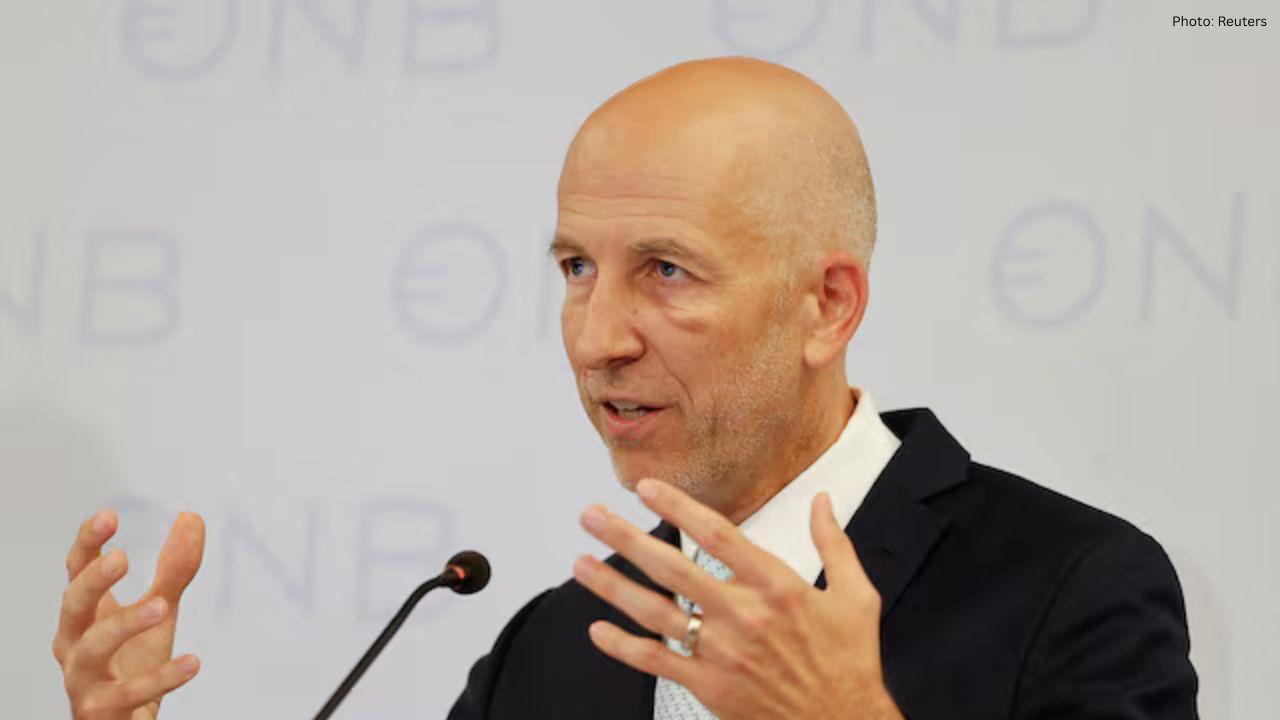
The head of Austria’s central bank, Martin Kocher, is encouraging the nation to reassess its opposition to the European Union's trade agreement with South America's Mercosur bloc. His insights rekindle discussions surrounding a contentious deal that has been divisive within Europe for a considerable time.
While addressing Austria’s APA news agency, Kocher emphasized that the nation risks overlooking a significant economic opportunity by sticking to its outdated stance. Austria's economy is heavily reliant on exports, and as a smaller country within the global trade landscape, it should not shy away from a monumental agreement such as this.
In 2019, Austria’s lawmakers voted against the EU–Mercosur deal, a decision the government has sought to uphold. However, Kocher highlighted that numerous factors have evolved in the past six years. He believes that the recently revised agreement includes enhanced protections, particularly for farmers, who had previously expressed considerable worries.
The EU–Mercosur partnership was finalized in December after laborious negotiations lasting nearly 25 years. If validated, it would stand as the EU's largest trade accord to date, aiming to slash tariffs, enhance exports, and strengthen economic relationships with major South American nations like Argentina, Brazil, Paraguay, and Uruguay.
Nonetheless, the deal continues to meet substantial pushback. Several countries, including France, Poland, and Hungary, have raised significant concerns, particularly regarding environmental protections and impacts on domestic farmers, with Italy also exhibiting reluctance. For the arrangement to progress, it must gain backing from no fewer than 15 EU states, comprising 65% of the EU’s population.
Kocher’s remarks imply that Austria should potentially revise its viewpoint based on contemporary economic circumstances. Advocates of the agreement maintain that it could unlock new markets for EU businesses and bolster the EU’s international trade stature amid intensifying economic competition.
On the other hand, skeptics continue to express apprehension regarding possible cheap agricultural imports, environmental consequences, and the enforcement of trade stipulations. These issues remain central to public and political discussions throughout Europe.
While Kocher’s statements do not alter Austria’s official policy at this moment, they put additional pressure on officials to rethink their position. As the EU strives to secure adequate backing, Austria’s stance could be pivotal in determining the future of this significant international trade agreement.
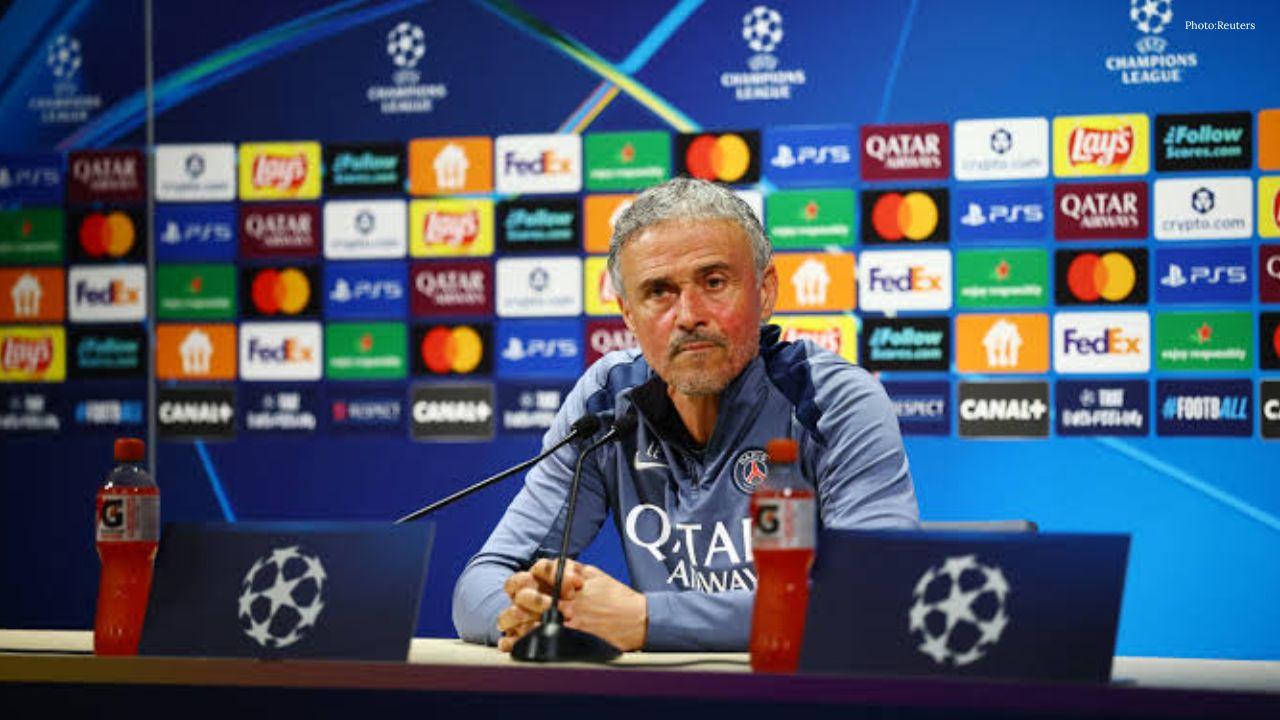




PSG Coach Luis Enrique Urges Players to Step Outside Comfort Zone
PSG coach Luis Enrique says players must leave their comfort zone and keep improving as the club tar

China’s Tiangong Sets New 400m Record at Robot Olympics
China’s Tiangong robot sets a new 400m record at the Robot Olympics, beating a South African robot i

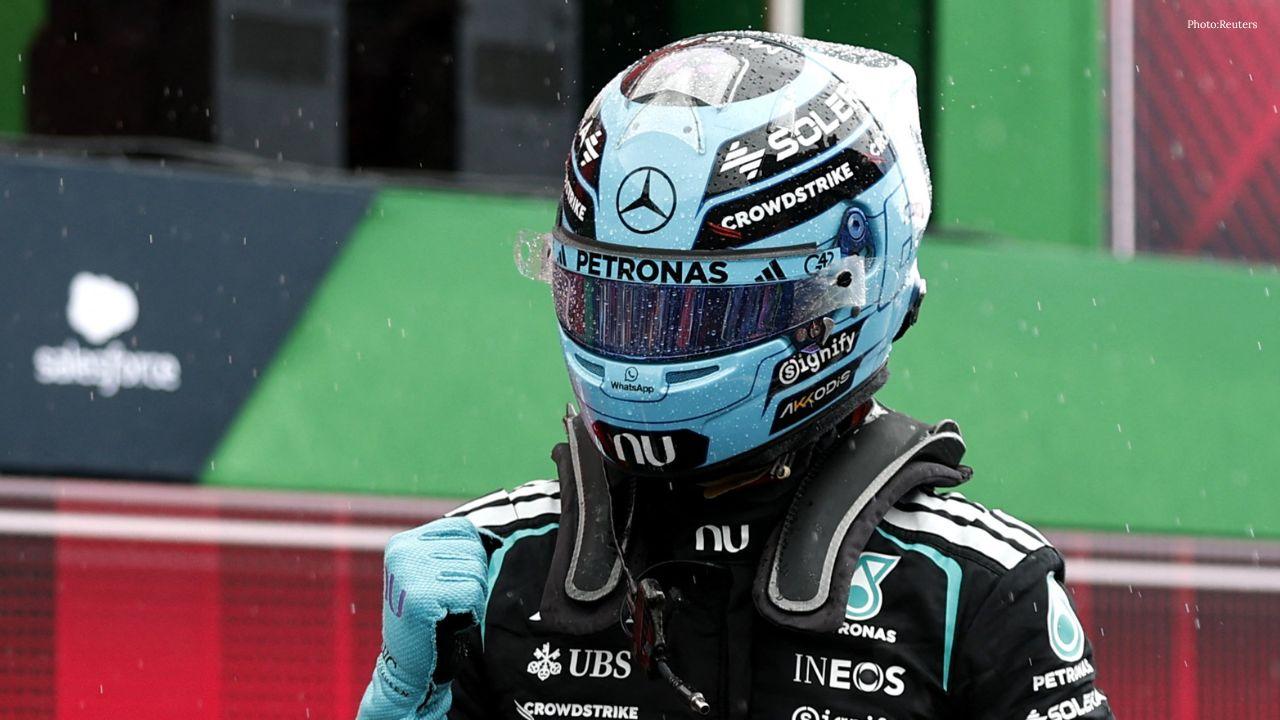
George Russell Wins Dutch GP Sprint, Boosts Mercedes Morale
George Russell wins the Dutch GP Sprint from pole as Mercedes teammate Kimi Antonelli extends his F1
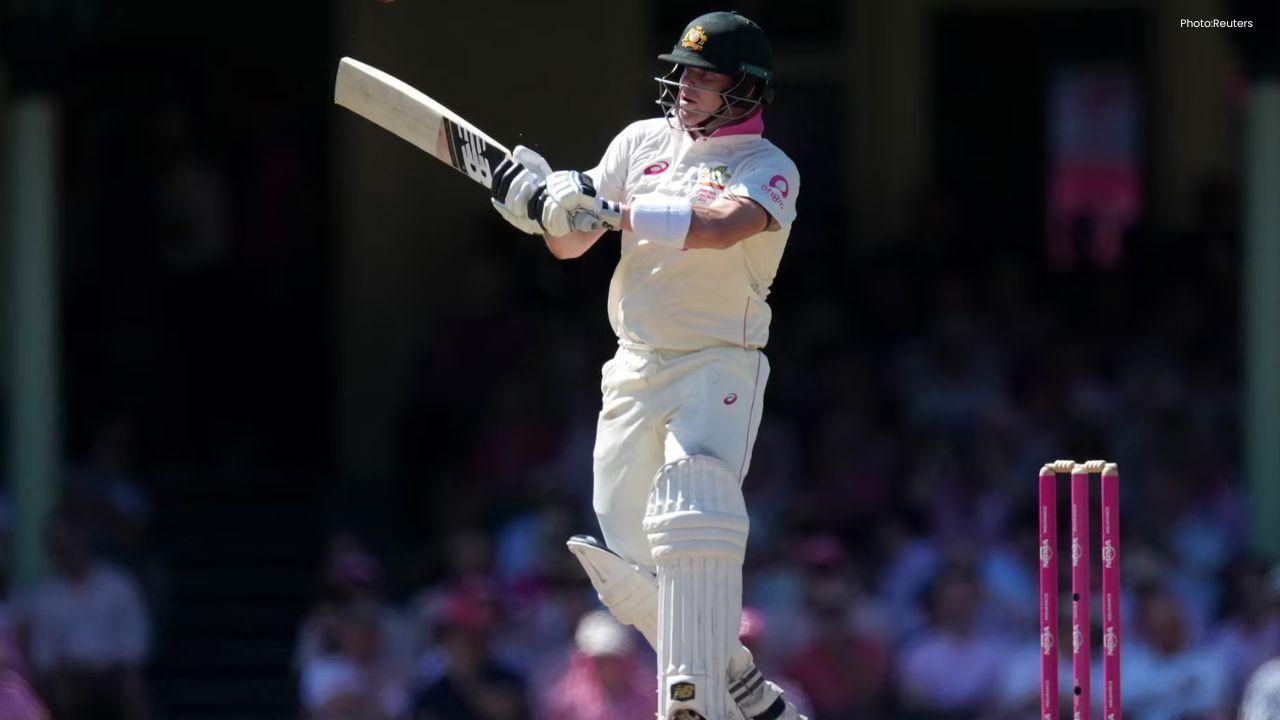
Australia 50/3 After Bangladesh Bowled Out for 64 in Second Test
Australia reached 50/3 after Bangladesh were bowled out for 64 in the second Test, with Mitchell Sta
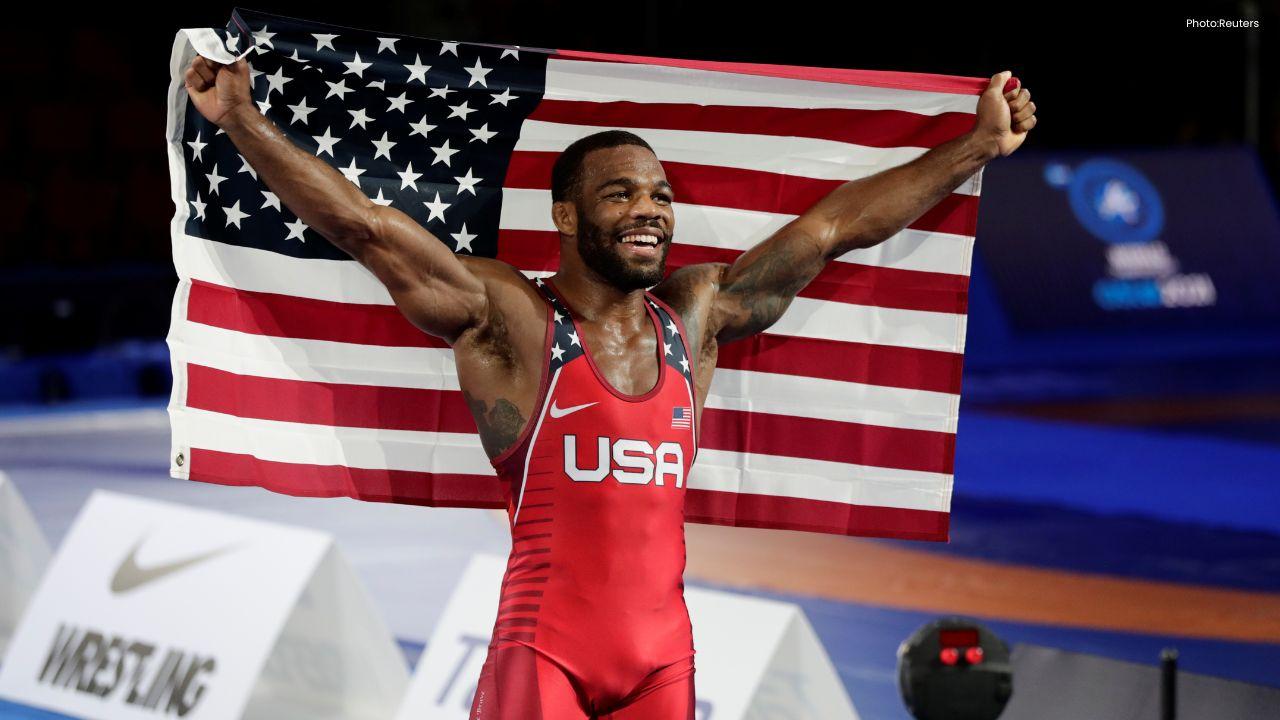
Jordan Burroughs Returns to Wrestling with 2028 Olympic Dream
Jordan Burroughs returns to wrestling with Real American Freestyle as the Olympic champion eyes a po
Lamborghini Catches Fire on Singapore's ECP, Causing Heavy Traffic
A Lamborghini caught fire on Singapore's ECP, causing heavy traffic and bus delays. No injuries were