
You have not yet added any article to your bookmarks!
Join 10k+ people to get notified about new posts, news and tips.
Do not worry we don't spam!

Post by : Anis Farhan
Singapore is preparing for a defining political moment with the much-anticipated General Election in 2025. As the city-state heads toward this significant event, both ruling and opposition parties are gearing up for what could be one of the most closely watched elections in recent years. The stakes are high: leadership transitions, generational shifts, and the evolving demands of a more politically aware electorate make this election one that could shape the country’s future direction in governance, economy, and social policies.
The People’s Action Party (PAP), which has governed Singapore since independence, faces a test of continuity and renewal. Prime Minister Lawrence Wong, who assumed leadership following the transition plan announced earlier, will lead the PAP into his first general election as head of government. His ability to maintain the PAP’s dominance while addressing the expectations of a younger, digitally engaged electorate will be closely scrutinized. Key issues such as cost of living, housing affordability, and healthcare accessibility will likely dominate public discourse.
Opposition parties, particularly the Workers’ Party (WP) and the Progress Singapore Party (PSP), are expected to mount strong challenges in several constituencies. Their performance in the 2020 General Election, where they secured a record number of parliamentary seats, demonstrated a growing appetite among Singaporeans for alternative voices in parliament. In 2025, they are expected to focus on bread-and-butter issues, pushing for stronger checks and balances, while appealing to middle-income families and younger professionals who desire more diverse representation.
Rising living costs, housing pressures, and job security are expected to be top concerns for voters. Singapore’s economic model, while resilient, is under pressure from global uncertainties, digital disruption, and inflation. Young Singaporeans in particular are voicing concerns about social mobility, wage stagnation, and the affordability of starting families. Environmental sustainability, healthcare reforms, and inclusivity in policymaking are also likely to be significant talking points in political campaigns.
The 2025 election will also highlight the power of the youth vote. With more young Singaporeans politically active and vocal on social media, parties will need to adapt their campaigning strategies. Digital platforms will play a central role, with issues of online misinformation and political transparency likely to surface. The ability of political leaders to connect authentically with younger voters may be a decisive factor in determining voter turnout and party performance.
Singapore’s elections are not only a domestic event but also one with regional significance. As a key hub for trade, finance, and diplomacy in Southeast Asia, Singapore’s political stability is closely monitored by international partners and investors. A smooth transition of leadership under Wong would reinforce Singapore’s reputation for continuity, while a stronger opposition presence could be interpreted as a maturing democracy. Either way, the outcome will send important signals about Singapore’s trajectory in balancing governance stability with evolving democratic aspirations.
As the election draws closer, several dynamics will shape the race: the PAP’s ability to maintain public trust, the opposition’s push for credibility, and the electorate’s growing demands for transparency and inclusivity. Singapore’s political scene is entering a new phase, where voters are not merely passive participants but active voices shaping policies. The 2025 election may not overturn the PAP’s dominance, but it could reshape the balance of power, influence public policies, and redefine the relationship between the government and its citizens.
This article is intended for informational and editorial purposes only. It reflects analysis and perspectives on the upcoming Singapore 2025 General Election but does not represent the official stance of any political party, government institution, or organization. Readers are encouraged to follow official announcements, verified news sources, and electoral authorities for the most accurate and updated information.






Google Signs 3.6-GW Power Deal With Constellation Energy in US
Google signs a 3.6-GW power deal with Constellation Energy, including nuclear power upgrades to supp

Harmanpreet Kaur Steps Down as India Captain Across All Formats
Harmanpreet Kaur steps down as India captain across all formats after a remarkable leadership journe
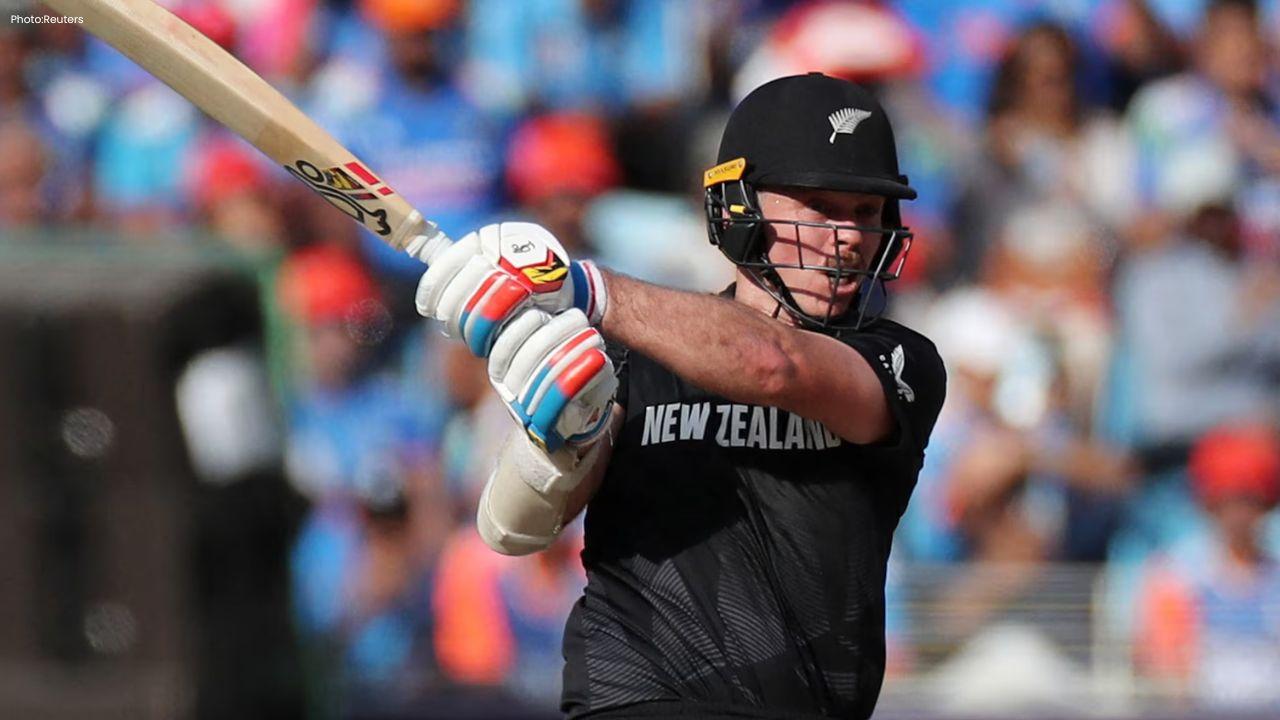
Michael Bracewell Chooses Casual Contract, Targets BBL Opportunity
Michael Bracewell moves to a casual contract as he eyes a BBL opportunity while remaining available

Tuchel Says Alex Scott Can Challenge Declan Rice for England Midfield Spot
Thomas Tuchel says Alex Scott can challenge Declan Rice for an England midfield place after his impr
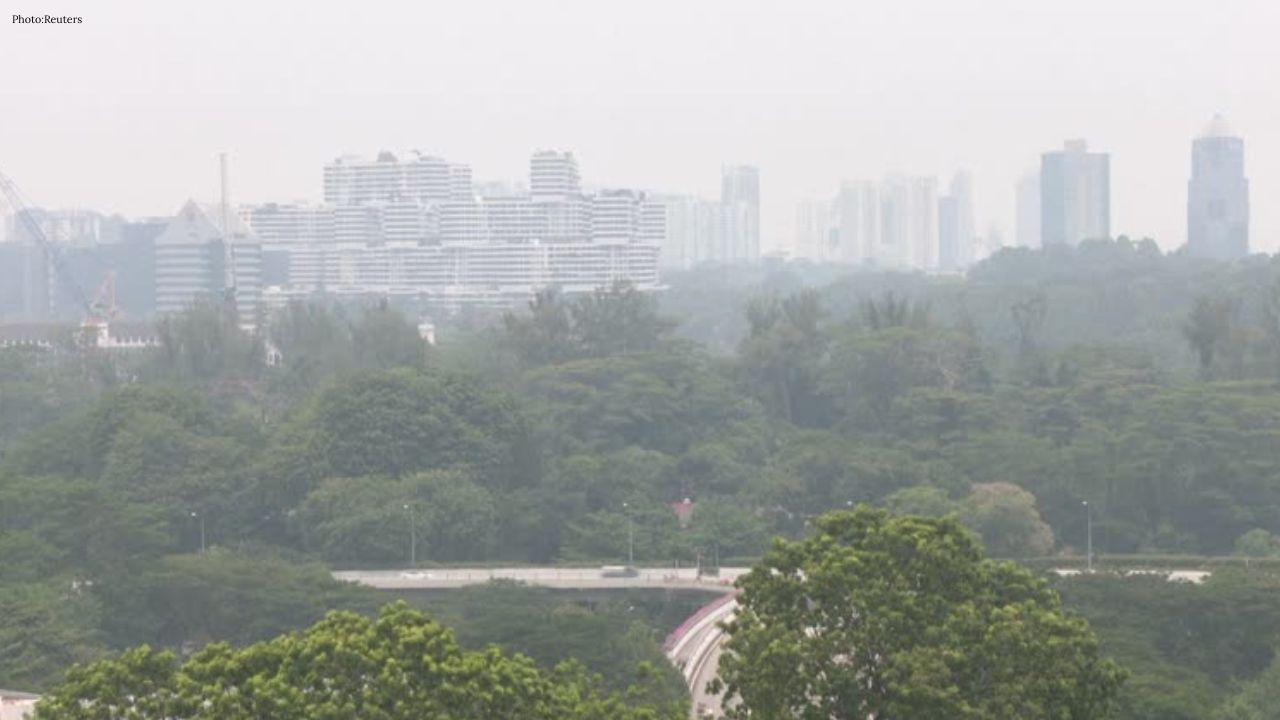
Air Quality Turns Unhealthy in Central and Western Singapore Amid Haze
Singapore haze pushes PSI above 100 in central and western areas as smoke from regional hotspots rai

PM Modi Pays Tribute to Mahatma Gandhi, Urges People to Support Khadi
PM Modi pays tribute to Mahatma Gandhi on Gandhi Jayanti and urges citizens to support Khadi and the

