You have not yet added any article to your bookmarks!
Join 10k+ people to get notified about new posts, news and tips.
Do not worry we don't spam!
Post by : Anis Farhan
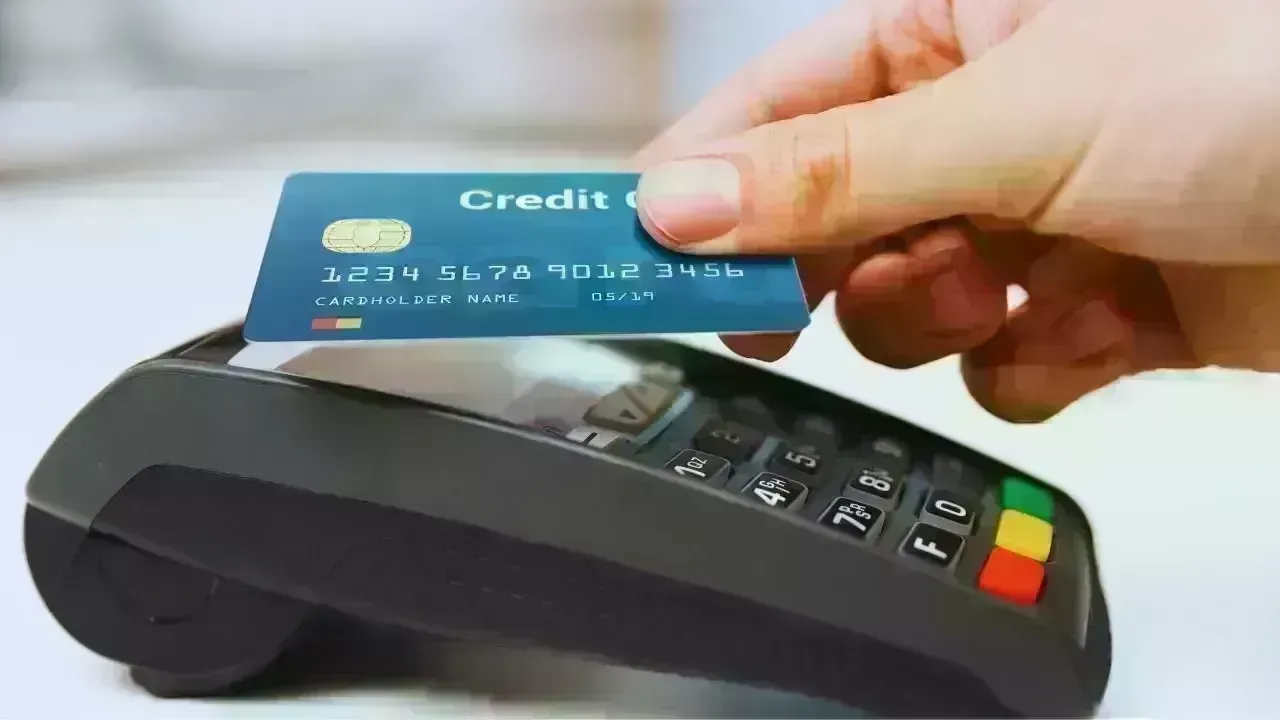
In today's world of digital transactions, credit cards have become integral to our everyday financial interactions. They facilitate payments, manage emergencies, and sometimes even spur impulsive purchases. Under stable economic times, users typically handle their credit well. But as inflation escalates, these financial tools can quickly turn into dangerous liabilities. Grocery prices soar, school fees become burdensome, and unexpected medical costs add strain. Consequently, many find themselves increasingly reliant on credit.
At the onset, using credit might seem innocent. A few extra purchases and delayed payments appear manageable, yet inflation stretches repayment abilities while interest piles on. This feedback loop of debt can tighten its grip month after month. Understanding how inflation enhances credit risks isn’t just savvy; it’s crucial for survival.
This article dissects the implications of inflation on spending patterns, explains the need for innovative credit strategies during financial stress, and provides families with actionable tips to break free from the crushing cycle.
Inflation extends beyond just price hikes. It reshapes consumer behavior and perceptions of value. Items that once felt affordable can begin to weigh heavily, while luxuries tilt towards necessities.
With rising expenses outpacing income growth, disposable incomes shrink. Essentials get prioritized, leaving little room for savings or emergencies. Credit cards then serve as the safety net for maintaining lifestyle stability.
However, inflation diminishes purchasing power, while interest rates frequently rise as a countermeasure. Households previously able to manage their bills now find themselves juggling higher costs alongside increased credit expenses.
Opting for the minimum payment can seem prudent during tight financial times, keeping accounts active and helping to dodge penalties. But this approach is designed to prolong repayment, rather than expedite it. In an inflationary context, minimum payments often cover just the interest, leaving principal balances stagnant.
Thus, a false sense of progress obscures actual stagnation, with balances appearing unchanged even as repayment stretches out over years. Minimum payments can feel necessary during inflation, yet they only intensify long-term financial strain.
Financial pressures can warp spending behaviors. Inflation's effect goes beyond monetary; it alters emotional responses.
As prices jump and uncertainties mount, spending often becomes a coping mechanism. Small purchases can provide temporary relief from anxiety. Shopping serves as an emotional band-aid in times of financial distress, turning credit cards into tools for managing feelings.
The concern lies not in the purchases but in the ensuing habits. Stress-related spending accumulates debt quietly over time.
Inflation drives a mentality of “get it now before prices spike even more.” Purchasing accelerates, often for non-essential items. With credit cards facilitating immediate purchases, the financial pain awaits down the road.
This urgency can lay the foundation for regrettable spending decisions, with bills arriving well after the stress-driven need has calmed.
During inflationary periods, the implications of interest rates become increasingly perilous.
A seemingly modest purchase can balloon into a significant liability if not paid down. Daily interest isn’t a massive hit, but its compounding nature—weekly, monthly, and annually—can accumulate rapidly.
Inflation deepens the chasm between spending and repayment, allowing interest to escalate unchecked. What feels like manageable borrowing today may morph into overwhelming repayment demands tomorrow.
As financial pressure mounts, missed payments become common. Late fees, interest increases, and over-limit penalties soon follow. A single delayed payment can tarnish credit scores and trigger higher interest rates.
Inflation does more than just raise costs; it amplifies the consequences of financial missteps.
Managing credit cards in an inflationary environment requires discipline and awareness.
Traditional budgets fall short during periods of rapid price increases. Essential expenditures like food and energy need fresh assessments. Without updating, users may miscalculate expenses, leading to overreliance on credit.
Inflation-themed budgeting necessitates tracking expenses on a weekly basis rather than relying on monthly snapshots.
When urgency permeates every purchase, clear lines between essentials and impulse buys blur. It’s critical to differentiate between necessary expenses like medical care and education from discretionary splurges. During inflation, emotional restraint translates into financial stability.
If carrying a balance is unavoidable, focus on paying down cards with higher interest rates first. When feasible, transferring balances can minimize costs. Abstain from new charges until old debts decrease.
The goal is straightforward: tackle debt before it multiplies.
Credit may mask financial distress, but cash exposes it.
Swiping a card lacks the immediate sensation of spending. The act of counting cash can create an awareness of expenditure. When inflation hits, utilizing cash for a portion of spending can add psychological barriers.
These obstacles can help curb impulsive purchases and encourage conscious financial choices.
Whenever feasible, spend from existing funds rather than borrowed money. Credit cards should function in emergencies, not as a lifestyle accessory.
Inflation penalizes families lacking financial buffers.
Lacking savings means even small surprises can snowball into debt. Unexpected medical bills or repairs can lead to extended financial hardship.
Having an emergency fund eases anxiety and shields against credit trap scenarios.
Consistency in saving—even modest amounts—offers protection. In an inflationary climate, preparedness is rewarded, while complacency is punished.
Stress associated with debt can negatively impact sleep quality, focus, and relationships.
Anxiety manifesting in constant balance checks, dread of bills, and avoidance behaviors signals a financial overload. Many overlook these signs until they disrupt health.
Engaging in discussions with family, partners, or financial counselors can alleviate isolation. Debt isn’t a failure; silence about it is.
Inflation invites shifts in lifestyle.
Salary increments often vanish into upgraded gadgets, dining out, and subscriptions. Credit cards facilitate these expansions without an initial obvious impact.
This is the paradox of earning more yet owning less.
Resisting lifestyle upgrades fosters financial flexibility. Lower obligations provide greater freedom amidst rising costs.
Discounts do not always equate to savings.
Deferred payment options can lead to future financial burdens. They promote purchases beyond what a budget can sustain.
Delayed payments do not render spending harmless.
Pursuing reward points can lead to unnecessary overspending. Rewards lose value when accrued debt incurs interest.
If debt has spiraled, reclaiming financial health is achievable.
Compile a comprehensive list of every card, balance, and interest rate. Ignoring this information can stall recovery.
Many banks are open to restructuring payments for customers in distress. Early intervention can alleviate stress and reduce costs.
Prioritize consistency over rapid debt paydown. Small victories can create significant momentum.
Families play a pivotal role in shaping financial behaviors.
Conversations about debt cultivate awareness. Silence only fosters anxiety.
Handling money jointly simplifies management and eases decision-making.
The risks posed by inflation won’t vanish in a day, yet adaptation is within reach.
Credit cards don’t pose a threat, but their misuse does. With informed strategies, risks can transform into financial control.
Financial liberation isn’t about rejecting comfort; it’s about making choices that won’t result in hardship.
In challenging economies, credit reflects personal accountability. It rewards discipline while exposing laxity. Those who regard credit as essential support navigate inflation, while those who leak it into lifestyle choices face financial suffocation.
The savviest cardholders in the near future won’t be those with the highest limits, but those who strategically use credit sparingly.
In a high-inflation world, true strength lies not in unbridled spending, but in a calm approach to financial choices.
This article is intended solely for informational purposes and is not financial guidance. Readers are urged to assess their unique financial situations and seek advice from certified professionals prior to making financial decisions.








Jacob Bethell Returns as England Name Squads for Australia Tour
England name ODI and T20 squads for the Australia tour, with Jacob Bethell returning from injury and

Beauden Barrett Opens Up About Mental Struggles During All Blacks Exile
Beauden Barrett discusses his confidence struggles after missing six tests, his return against Austr

IMF Says AI Investment Supports Global Growth Despite Energy Shock
IMF says AI investment is supporting global growth near 3%, with Asian economies benefiting from ris

Will O'Rourke Ruled Out of New Zealand's India Series
New Zealand fast bowler Will O'Rourke will miss the India series with hamstring and calf injuries as

AI Companies Expected to Drive Most US Earnings Growth in Q3
AI companies are expected to drive US third-quarter earnings growth as investors assess tech profits
Money Market Funds See Record Inflows as Global Bond Selloff Intensifies
Global money market funds attract $153.81 billion as bond yields rise, inflation fears persist and i