
You have not yet added any article to your bookmarks!
Join 10k+ people to get notified about new posts, news and tips.
Do not worry we don't spam!
Post by : Rameen Ariff
On Thursday, a powerful earthquake struck the Drake Passage, the stretch of ocean that lies between South America and Antarctica. The quake measured 7.5 in magnitude and occurred at a depth of 11 kilometers (7 miles) beneath the ocean floor, according to the United States Geological Survey (USGS). Initially, the earthquake was reported as magnitude 8, but it was later revised.
The quake hit more than 700 kilometers (435 miles) southeast of Ushuaia, a city in Argentina with about 57,000 residents. Despite its strength, authorities confirmed that there is no tsunami threat following the earthquake. The Pacific Tsunami Warning Center issued a brief warning for coastal areas of Chile, but later clarified that a tsunami was not expected.
Tsunami Alerts and Precautions
Chile’s Navy Hydrographic and Oceanographic Service issued a tsunami warning for its Antarctic territory after the earthquake was detected 258 kilometers (160 miles) northwest of Base Frei, one of Chile’s research stations in Antarctica. Residents and scientists in Antarctic bases were advised to follow safety protocols, including moving to higher ground or safe locations away from the shoreline, even though a tsunami did not occur.
The authorities in Argentina and Chile are closely monitoring the situation. Local emergency teams are on alert to ensure the safety of people in areas that could experience aftershocks or other earthquake-related events.
Understanding the Drake Passage and Earthquakes
The Drake Passage is a narrow body of water located between the southern tip of South America and the northern edge of the Antarctic Peninsula. This region is known for its rough seas and strong ocean currents. It is also part of the Ring of Fire, a zone around the Pacific Ocean where earthquakes and volcanic activity are common due to the movement of tectonic plates.
Earthquakes in this region are often caused by the shifting of the South American and Scotia tectonic plates, which can create strong tremors under the ocean floor. While most quakes here do not cause tsunamis, authorities always issue warnings as a precaution because underwater earthquakes can sometimes trigger large waves.
Magnitude and Impact
A 7.5-magnitude earthquake is considered strong and can cause serious shaking, especially near the epicenter. However, in this case, the quake struck far from populated areas, reducing the risk of major damage. The USGS noted that the earthquake’s epicenter was deep enough and located in the ocean, which further limited its potential to cause destruction on land.
Despite its remote location, the quake serves as a reminder of how powerful natural events in our oceans can be. Scientists and emergency services constantly monitor seismic activity to better predict and respond to such events.
Earthquake Preparedness and Safety
Even in regions far from major cities, earthquakes can be dangerous. Experts advise the public to follow basic safety rules:
Stay calm during tremors.
Move away from windows, glass, or heavy objects that could fall.
If near the coast, be aware of tsunami warnings and move to higher ground.
Follow official instructions from emergency authorities.
In Antarctica, researchers and workers at bases like Base Frei have special emergency plans to deal with earthquakes and extreme weather. These procedures include evacuation drills, communication protocols, and safe areas where people can stay until the risk passes.
Global Monitoring and Scientific Study
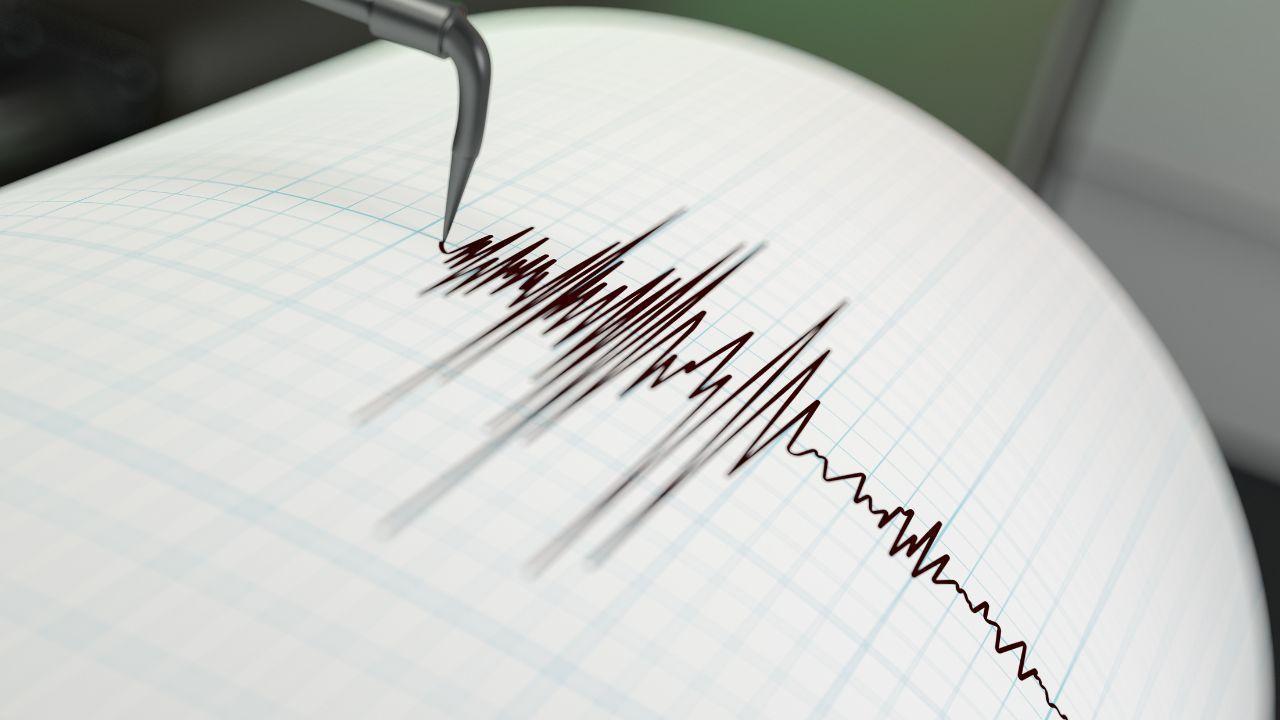
Earthquakes like the one in the Drake Passage are closely studied by scientists to understand tectonic movements and improve early warning systems. Instruments such as seismographs measure tremors, while satellites and ocean sensors help monitor underwater shifts. This information is critical for predicting future earthquakes and minimizing their impact on people and infrastructure.
International cooperation is also important. Countries like Chile, Argentina, and the United States share data about seismic activity to ensure timely warnings. Organizations such as the Pacific Tsunami Warning Center play a key role in alerting coastal communities worldwide.
Thursday’s earthquake in the Drake Passage was a strong reminder of the natural forces at work beneath the Earth’s surface. Measuring 7.5 in magnitude, the quake struck far from major cities, and fortunately, no tsunami was triggered. Authorities in Chile, Argentina, and Antarctica responded quickly to ensure safety, showing the importance of preparation and monitoring.
While the quake caused no major damage, it highlights the need for continued awareness and scientific study in regions prone to seismic activity. As experts analyze the event and monitor aftershocks, communities and researchers alike are reminded that the Earth is always moving, sometimes with great force, and staying prepared is the best way to stay safe.










PM Modi Pays Tribute to Mahatma Gandhi, Urges People to Support Khadi
PM Modi pays tribute to Mahatma Gandhi on Gandhi Jayanti and urges citizens to support Khadi and the

Amazon Seeks to Offload $8 Billion in Nvidia Chips to Investors
Amazon plans to move $8 billion in Nvidia chips to investors, using a new financing model to strengt

Samsung Raises Galaxy S26 Prices as Memory Chip Costs Rise
Samsung raises Galaxy S26 prices in South Korea as rising memory chip costs put pressure on smartpho

Lewis Hamilton Calls Singapore Grand Prix One of F1's Toughest Races
Lewis Hamilton discusses the demanding Singapore Grand Prix and brings Plus44 and Almave to Singapor

Denmark's Pandora Opens World's Largest Jewellery Factory in Vietnam
Pandora opens its largest jewellery factory in Vietnam, expanding global production, strengthening s

Gautam Gambhir Questions Batting-Friendly Pitches After India's Record ODI Chase
Gautam Gambhir questions batting-friendly ODI pitches after India’s record chase, calling for a bett

