
You have not yet added any article to your bookmarks!
Join 10k+ people to get notified about new posts, news and tips.
Do not worry we don't spam!
Post by : Saif Rahman
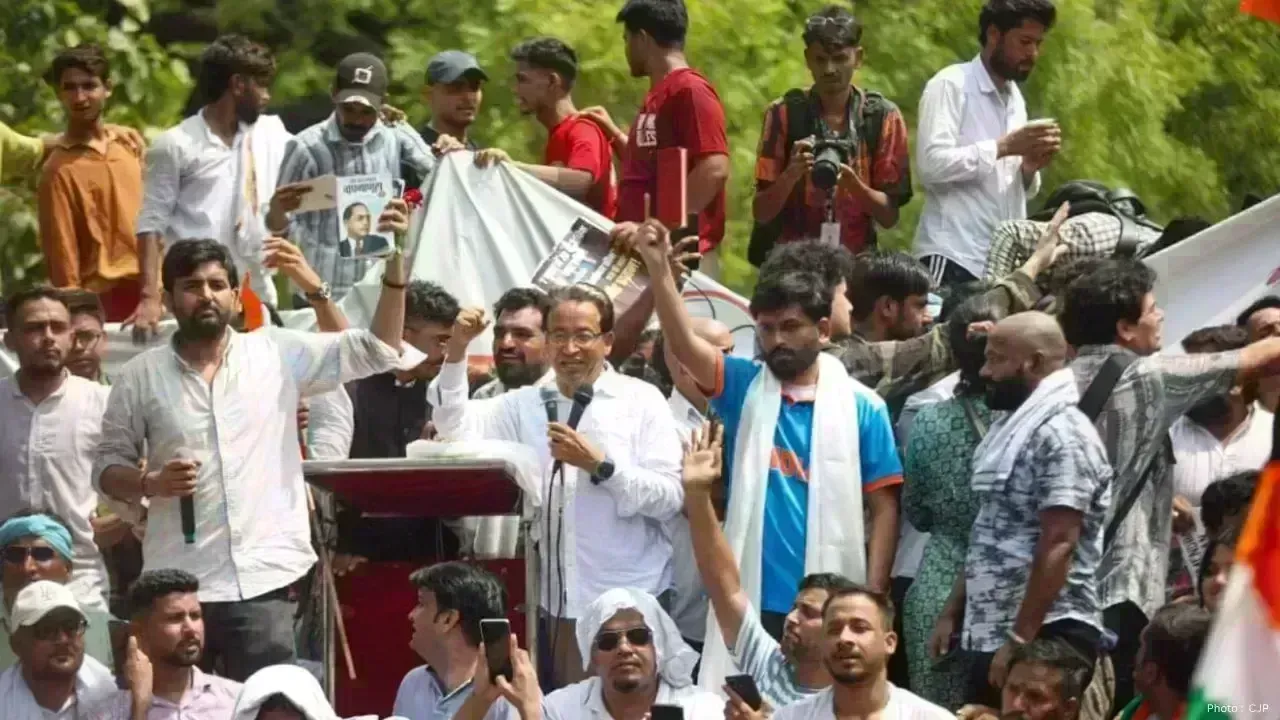
The education system in India faces intensified scrutiny as various student groups and activists gear up for a significant protest at Jantar Mantar in New Delhi. This widely anticipated demonstration, informally dubbed the "Cockroach Janata Party" protest, has drawn substantial interest due to its impactful theme and pointed critique of how education issues are managed. Organizers are advocating for increased accountability from authorities, including the resignation of Union Education Minister Dharmendra Pradhan.
This mobilization goes beyond a single political demand. It encapsulates widespread student anxieties around pressing educational issues. Over the last year, discussions regarding examinations, admissions, governance, and student welfare have sparked national dialogue. Young individuals feel their grievances need to be taken more seriously by those in power.
Jantar Mantar has long been a hub for peaceful civic expression, where people unite to voice their concerns and seek government action. Student organizations view this site as a critical platform to shine a light on issues that affect millions of learners and their families.
The eye-catching name of the protest also plays a role in attracting attention and sparking curiosity. Organizers clarify that the title is a reflection of their frustration with ongoing challenges in the education sector. While the name stirs interest, the essential message is centered on calls for accountability, transparency, and institutional responsibility.
At the heart of this movement are worries over the reliability of educational administration. Competitive exams hold significant importance in India, shaping career paths and future prospects. Any irregularities in these processes provoke anxiety in students who invest years in preparation. Protesters emphasize the need for enhanced protections and transparency to uphold trust.
The current climate also reflects a rising political and social awareness among India's youth. Today’s students are more digitally connected, enabling them to mobilize campaigns, express opinions, and engage in crucial conversations at the national level. This increasing participation demonstrates how young citizens are becoming proactive influencers in public policy discussions.
Supporters argue that public demonstrations have the potential to facilitate meaningful change. Historically, peaceful civic engagement has often illuminated vital issues. By rallying together, participants seek to elevate concerns that demand urgent attention from policymakers.
Nevertheless, government officials assert that numerous initiatives are underway to bolster the education sector. They cite efforts to enhance learning environments, widen digital access, modernize infrastructure, and expand educational opportunities. They maintain that reforms necessitate time and careful execution for enduring success.
This contrast in viewpoints has engendered significant national discourse. On one side, students plead for swifter action and robust accountability. On the other, policymakers stress the importance of ongoing reform and long-term strategies. This discussion captures the challenge of reconciling public expectations with administrative realities.
The consequences of this demonstration may extend far beyond the immediate demands raised by its organizers. Heightened public focus on education frequently leads to larger conversations involving parents, educators, academic specialists, and government bodies. Such dialogues may illuminate weaknesses within existing frameworks and foster opportunities for enhancement.
Trust is a cornerstone of any educational system. Students devote years of effort to preparing for examinations and chasing academic pursuits. Families make significant sacrifices to nurture these ambitions. When doubts arise over fairness or transparency, restoring confidence is vital for sustaining the credibility of institutions.
The protest also underscores the pivotal role that education plays in national development. Schools, colleges, and universities are critical for shaping future professionals, innovators, and leaders. Ensuring these systems function equitably and efficiently is paramount not just for students but also for the nation's growth.
As the protest materializes, all eyes will be on the authorities' responses to the issues raised. Constructive dialogue between student advocates and policymakers may be crucial for de-escalating tensions and arriving at practical solutions. Open lines of communication can help fortify trust and foster collaboration.
Gathering at Jantar Mantar symbolizes more than just a single protest. It signifies the rising expectations of young Indians who demand accountability and effective management of educational systems. While immediate outcomes remain to be seen, the event has undoubtedly drawn educational policy into the forefront of national discussion. The continuing dialogues may shape future reforms and influence the trajectory of India’s academic landscape for years to come.










PM Modi Pays Tribute to Mahatma Gandhi, Urges People to Support Khadi
PM Modi pays tribute to Mahatma Gandhi on Gandhi Jayanti and urges citizens to support Khadi and the

Amazon Seeks to Offload $8 Billion in Nvidia Chips to Investors
Amazon plans to move $8 billion in Nvidia chips to investors, using a new financing model to strengt

Samsung Raises Galaxy S26 Prices as Memory Chip Costs Rise
Samsung raises Galaxy S26 prices in South Korea as rising memory chip costs put pressure on smartpho

Lewis Hamilton Calls Singapore Grand Prix One of F1's Toughest Races
Lewis Hamilton discusses the demanding Singapore Grand Prix and brings Plus44 and Almave to Singapor

Denmark's Pandora Opens World's Largest Jewellery Factory in Vietnam
Pandora opens its largest jewellery factory in Vietnam, expanding global production, strengthening s

Gautam Gambhir Questions Batting-Friendly Pitches After India's Record ODI Chase
Gautam Gambhir questions batting-friendly ODI pitches after India’s record chase, calling for a bett

