
You have not yet added any article to your bookmarks!
Join 10k+ people to get notified about new posts, news and tips.
Do not worry we don't spam!
Post by : Rameen Ariff
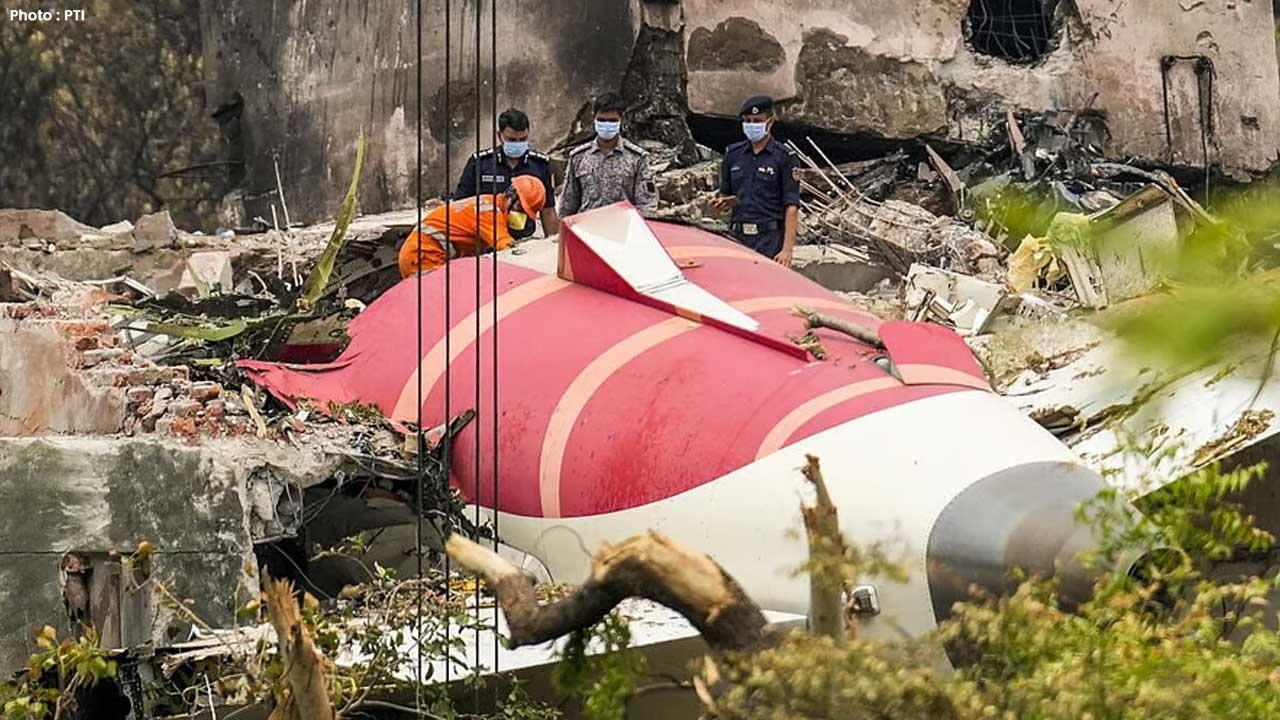
New Delhi: The Supreme Court of India has officially exonerated the pilot-in-command of the Air India Boeing 787 Dreamliner from any blame regarding the tragic crash in Ahmedabad that resulted in the deaths of 260 passengers and crew members. During a recent hearing, the apex court issued notices to the Centre, the Directorate General of Civil Aviation (DGCA), and the Aircraft Accident Investigation Bureau (AAIB), calling for a transparent and independent investigation into the circumstances of the incident.
This ruling stems from a petition submitted by Pushkaraj Sabharwal, the father of the deceased pilot Sumeet Sabharwal, backed by the Federation of Indian Pilots (FIP). Justice Surya Kant addressed the grieving father, stating: “This crash was deeply unfortunate, but you must not carry the burden of believing that your son is at fault.” The court emphasized that early reports indicated no wrongdoing on the pilot's part.
The preliminary findings from the AAIB, published in July, pointed out that the fuel supply to both engines was momentarily interrupted shortly after takeoff, leading to engine failures. Although the fuel control switches were restored swiftly, the engines had already succumbed, contributing to the disaster. While technical issues are still under examination, no evidence has surfaced suggesting any negligence from the pilot.
There were concerns raised about certain foreign media narratives surrounding the event, with assertions referencing Indian sources. Justice Kant dismissed these claims as irrelevant and reiterated that the investigation would be led by Indian judicial and aviation bodies.
The pilot's father advocated for the establishment of an independent judicial committee to review the crash, expressing doubts about the AAIB’s autonomy. He underscored the global scrutiny concerning the Boeing 787 aircraft, reinforcing the necessity for an impartial examination of the crash, classified as an “accident” and not merely an “incident.”
Scheduled hearings for November 10 will entail discussions on more petitions related to the crash.
Air India’s Managing Director and CEO, Campbell Wilson, shared that, despite the AAIB report not attributing fault to the airline’s operations, the airline continues to refine its safety protocols. “Every occurrence in the aviation sector, whether related to us or others, prompts reflective considerations and reviews of our practices,” Wilson conveyed during the Aviation India 2025 Summit in Delhi.
The Supreme Court’s ruling brings solace to the pilot's family, underlining the necessity of a comprehensive investigation while reinforcing accountability and safety standards within India’s aviation domain.

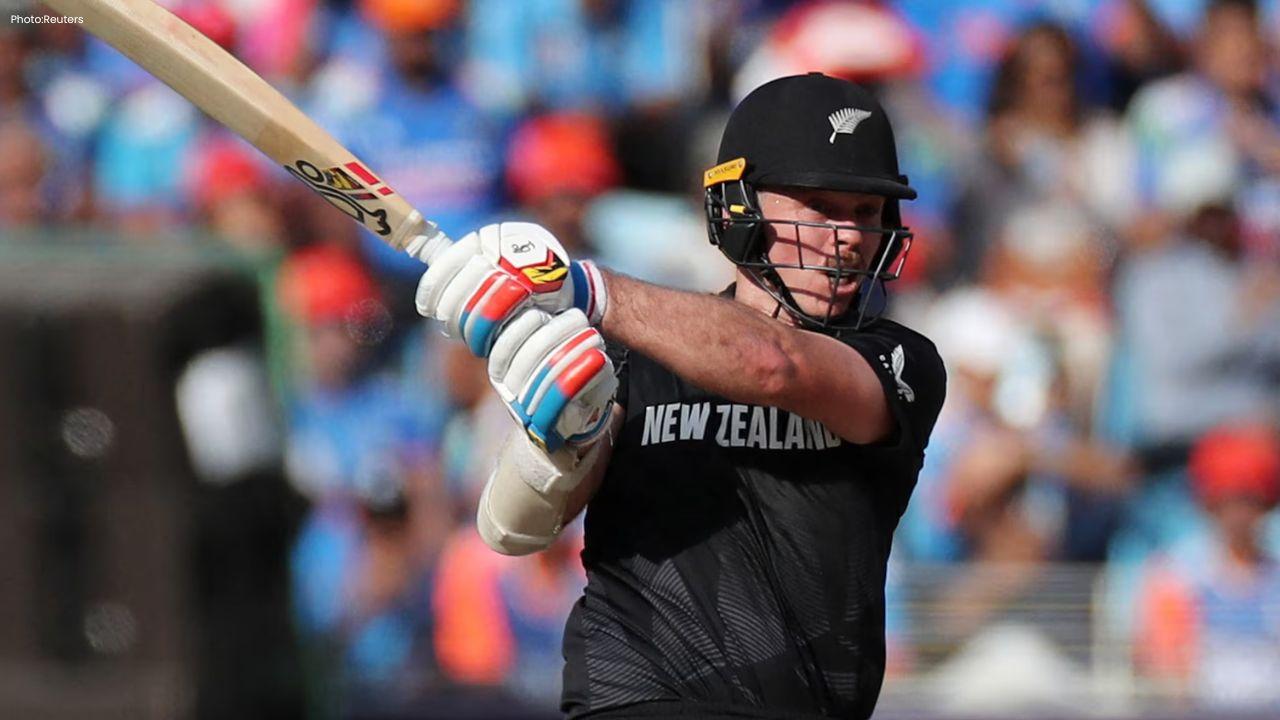




Michael Bracewell Chooses Casual Contract, Targets BBL Opportunity
Michael Bracewell moves to a casual contract as he eyes a BBL opportunity while remaining available

Tuchel Says Alex Scott Can Challenge Declan Rice for England Midfield Spot
Thomas Tuchel says Alex Scott can challenge Declan Rice for an England midfield place after his impr

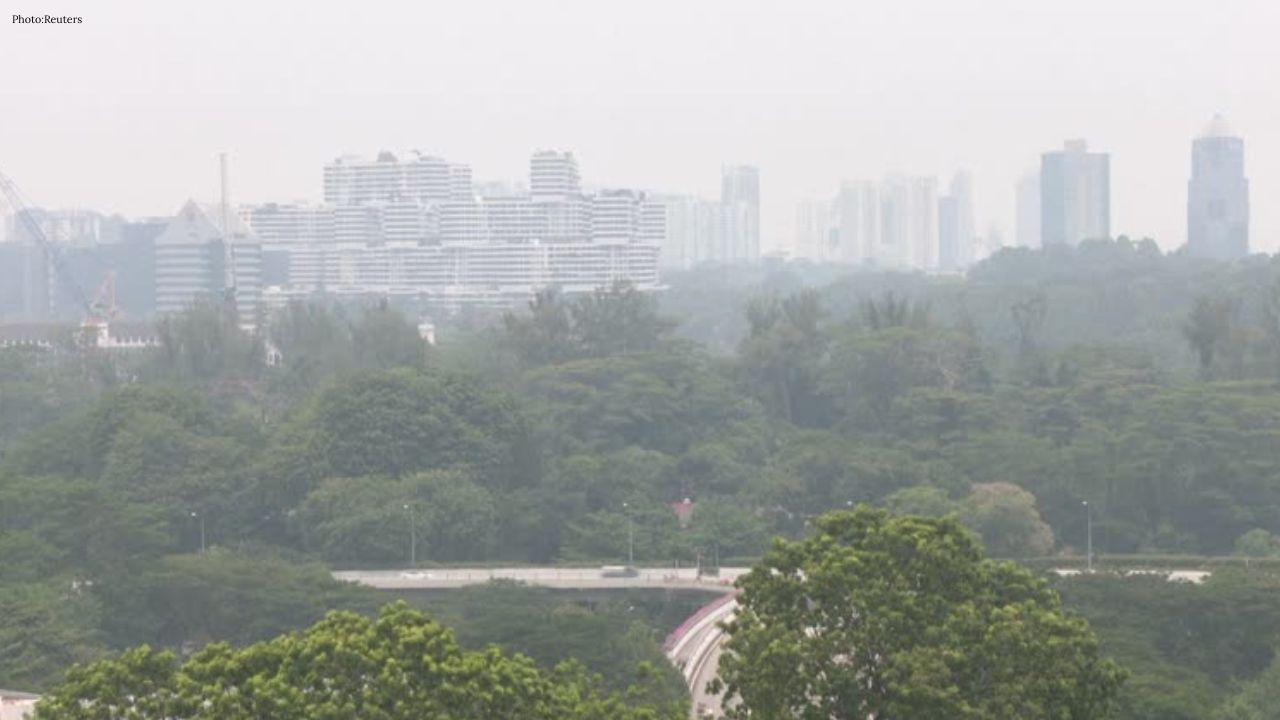
Air Quality Turns Unhealthy in Central and Western Singapore Amid Haze
Singapore haze pushes PSI above 100 in central and western areas as smoke from regional hotspots rai

PM Modi Pays Tribute to Mahatma Gandhi, Urges People to Support Khadi
PM Modi pays tribute to Mahatma Gandhi on Gandhi Jayanti and urges citizens to support Khadi and the

Amazon Seeks to Offload $8 Billion in Nvidia Chips to Investors
Amazon plans to move $8 billion in Nvidia chips to investors, using a new financing model to strengt

Samsung Raises Galaxy S26 Prices as Memory Chip Costs Rise
Samsung raises Galaxy S26 prices in South Korea as rising memory chip costs put pressure on smartpho

