You have not yet added any article to your bookmarks!
Join 10k+ people to get notified about new posts, news and tips.
Do not worry we don't spam!
Post by : Anis Farhan
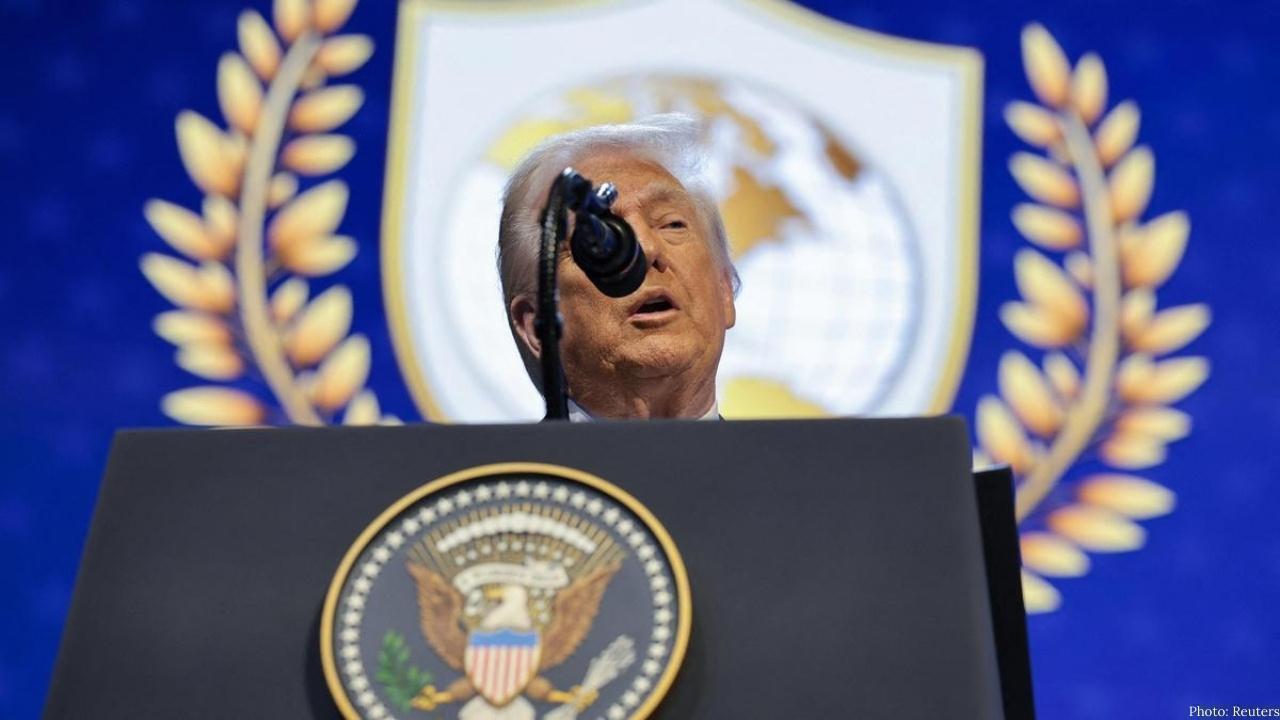
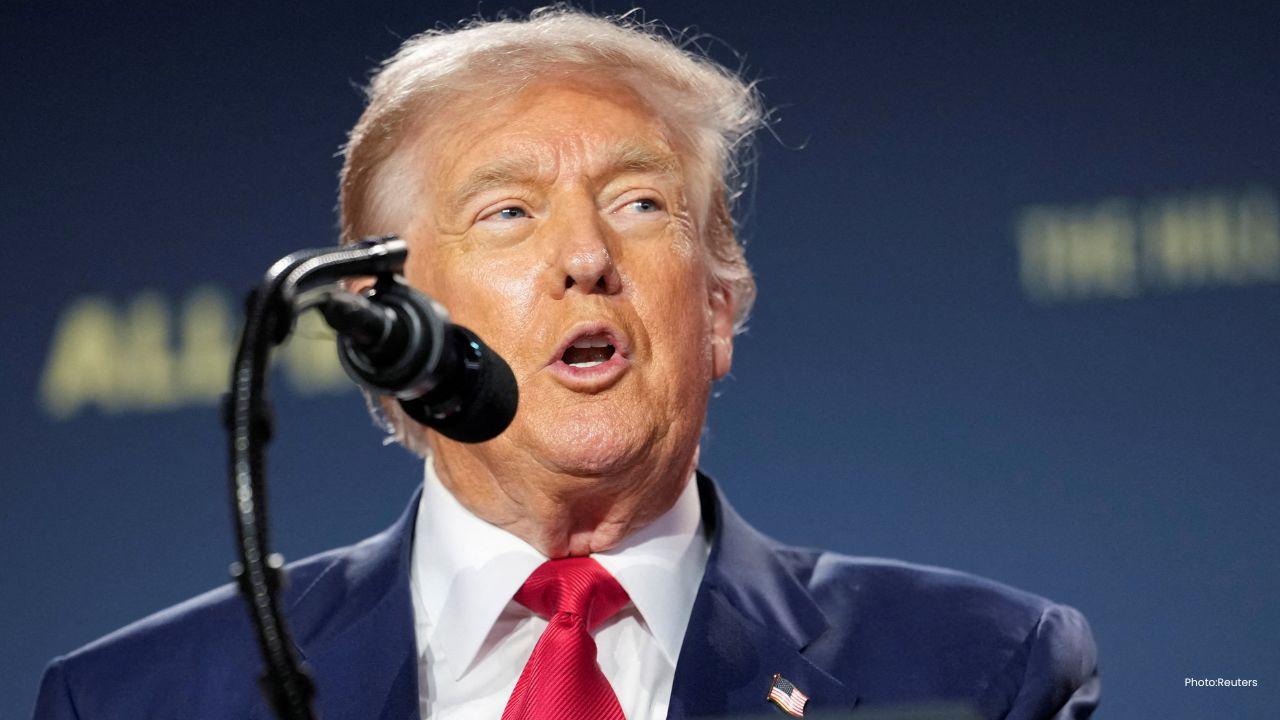
Former United States President Donald J. Trump has announced plans to hold the first official meeting of a newly formed “Board of Peace” in Washington, D.C., later in February 2026, according to reports from international media. The initiative represents a continuation of Trump’s engagement with public policy and governance debates even after leaving the White House, signalling his intent to influence discussions on peace, national security, and foreign policy as part of his broader political agenda.
The Board of Peace — envisioned as an advisory body — was established to bring together a group of senior political, military and diplomatic figures with the expressed aim of contributing to peace strategies domestically and abroad. Trump’s decision to convene its first meeting underscores the importance he places on institutionalising his peace narrative and solidifying his involvement in shaping geopolitical conversations during a time of ongoing global tensions.
Critics and supporters alike have reacted to the announcement, setting the stage for discussions about the board’s structure, objectives, impartiality, and potential role in influencing U.S. policy.
The Board of Peace was created soon after Trump concluded his second term as president, as part of a broader effort to maintain political engagement and influence post-office. Positioned as a policy forum rather than a government body, the board aims to address issues of conflict resolution, diplomatic strategy, and national security recommendations.
Proponents of the initiative argue that the board could serve as a platform for constructive dialogue on pressing issues — from Middle East peace plans and great power competition to crisis management frameworks and de-escalation strategies. They say it may provide space for bipartisan collaboration and expert input outside formal government channels.
Reports indicate that the first Board of Peace meeting will take place in Washington, D.C., later in February 2026, with key participants expected from Trump’s political network, military leadership circles, and selected international figures. The event is expected to generate significant media coverage and provide insight into Trump’s vision for the initiative.
Officials associated with the planning have reportedly said that the meeting will include discussions on priority policy areas, coordination mechanisms for future Board activities, and the unveiling of strategic objectives for the coming year. It may also serve as a forum to review ongoing global conflicts and propose frameworks rooted in the board’s stated mission.
The Board of Peace is understood to comprise a range of senior figures with expertise in national security, diplomacy, military operations, and international affairs. While the full list of participants has not been publicly confirmed, sources suggest that the board includes former government officials, think-tank experts, retired military leaders, and policy advocates.
According to reports, Trump’s close political allies are expected to play prominent roles, alongside individuals who have maintained influence in conservative policy circles and strategic affairs commentary. The composition of the board has already sparked debate about its potential to offer balanced perspectives or whether it will primarily echo Trump’s broader worldview.
In discussions leading up to the first meeting, Board members have reportedly identified several broad policy areas that may form the initial agenda. These include:
Conflict resolution strategies for current war zones
Peace frameworks in long-standing diplomatic disputes
Approaches to great power competition, particularly in Asia and Europe
Policies relating to nuclear proliferation and strategic deterrence
Domestic initiatives to reduce violence and strengthen civil cohesion
While the board’s mandate does not include formal government authority, its proponents argue that its recommendations could influence public debate and inform political actors on both sides of the aisle.
Many of Trump’s political allies have praised the initiative, describing the Board of Peace as a potentially valuable platform for strategic dialogue outside the constraints of formal government processes. Supporters highlight Trump’s role in past foreign policy breakthroughs and argue that his continued engagement could contribute constructively to peace debates.
Some conservative commentators have suggested that the board may help Trump consolidate support among voters concerned about national security and international stability as the 2026 U.S. midterm elections approach. They also believe the discussions could provide fodder for future policy proposals and electoral messaging.
Opposition figures and critics have been less enthusiastic. Some argue the board lacks formal accountability and legal standing, raising concerns about its legitimacy and potential use as a political tool rather than a genuine peace-building entity. Other critics have questioned the timing of the meeting amidst rising global tensions and ongoing conflicts.
Analysts have also noted that the board’s membership — predominantly drawn from Trump’s inner circles and like-minded allies — may make bipartisan cooperation difficult, limiting the diversity of perspectives featured in policy recommendations.
Foreign policy experts and international observers are watching the development closely, considering the implications of such a board on global diplomacy and international perceptions of U.S. influence. Some analysts see the initiative as an informal channel that could indirectly shape bilateral and multilateral discussions, particularly in conflict regions where the U.S. plays a significant role.
Skeptics, however, view the board as potentially symbolic rather than substantive, questioning whether it will generate actionable policy proposals or merely serve as a platform for political theatre.
Since leaving office, Trump has continued to maintain a visible presence in political debates, public events, and policy discussions. The Board of Peace initiative aligns with his broader strategy of remaining at the centre of national conversations on defence, diplomacy, and security, even while formal executive authority rests with the sitting government.
Observers note that initiatives like this can bolster political branding and help sustain influence among key constituencies, particularly on issues where Trump retains strong public recognition.
The inaugural meeting of the Board of Peace will likely set expectations for how the initiative will operate and what policy areas it prioritises. The opening session — expected to be both highly symbolic and substantive — could influence how the board is perceived by political, academic and diplomatic communities.
Participants will have the opportunity to establish frameworks for future collaboration, agenda-setting mechanisms, and communication strategies aimed at amplifying the board’s work beyond conference rooms and into the policy arena.
The Board of Peace faces several challenges as it begins its work. Critics have identified potential limitations in:
Its informal advisory structure
The absence of official government endorsement
Questions about whether it can produce meaningful policy impact
The likelihood of partisan framing overshadowing strategic dialogue
How the board addresses these concerns — and whether it includes diverse perspectives — will be key to its ability to influence public discourse.
Although the official agenda has not been publicly released, analysts anticipate that the first Board meeting will discuss:
Strategic assessments of ongoing conflicts
Ideas for peace frameworks in Ukraine, the Middle East and Asia
Tactical recommendations on nuclear diplomacy
Strategies for reducing domestic political polarization
Public engagement plans for amplifying the board’s voice
Observers say the tone and substance of the inaugural discussions will offer insight into whether the Board of Peace intends to focus on long-term policy work or short-term political signalling.
The announcement of the first Board of Peace meeting in Washington signals former President Trump’s continued engagement with public policy and international relations, even outside formal office. With its first session scheduled for later this month, the initiative is poised to test whether an informal advisory body can contribute meaningfully to complex peace and security debates amid a politically charged global context.
Whether viewed as a genuine platform for dialogue or a political instrument to amplify Trump’s influence, the Board’s initial meeting will likely ignite debate, draw scrutiny and shape perceptions about the evolving nature of U.S. policy engagement beyond traditional government channels.
This article is based on available reporting and public statements regarding the Board of Peace initiative’s planned meeting. It is intended for informational purposes and does not represent official policy announcements.







George Russell Wins Dutch GP Sprint, Boosts Mercedes Morale
George Russell wins the Dutch GP Sprint from pole as Mercedes teammate Kimi Antonelli extends his F1

Australia 50/3 After Bangladesh Bowled Out for 64 in Second Test
Australia reached 50/3 after Bangladesh were bowled out for 64 in the second Test, with Mitchell Sta

Jordan Burroughs Returns to Wrestling with 2028 Olympic Dream
Jordan Burroughs returns to wrestling with Real American Freestyle as the Olympic champion eyes a po

Lamborghini Catches Fire on Singapore's ECP, Causing Heavy Traffic
A Lamborghini caught fire on Singapore's ECP, causing heavy traffic and bus delays. No injuries were

Bangkok Airport Duty-Free Area Flooded by Pipe Burst
A burst water pipe flooded the duty-free shopping area at Bangkok's Suvarnabhumi Airport on July 16,
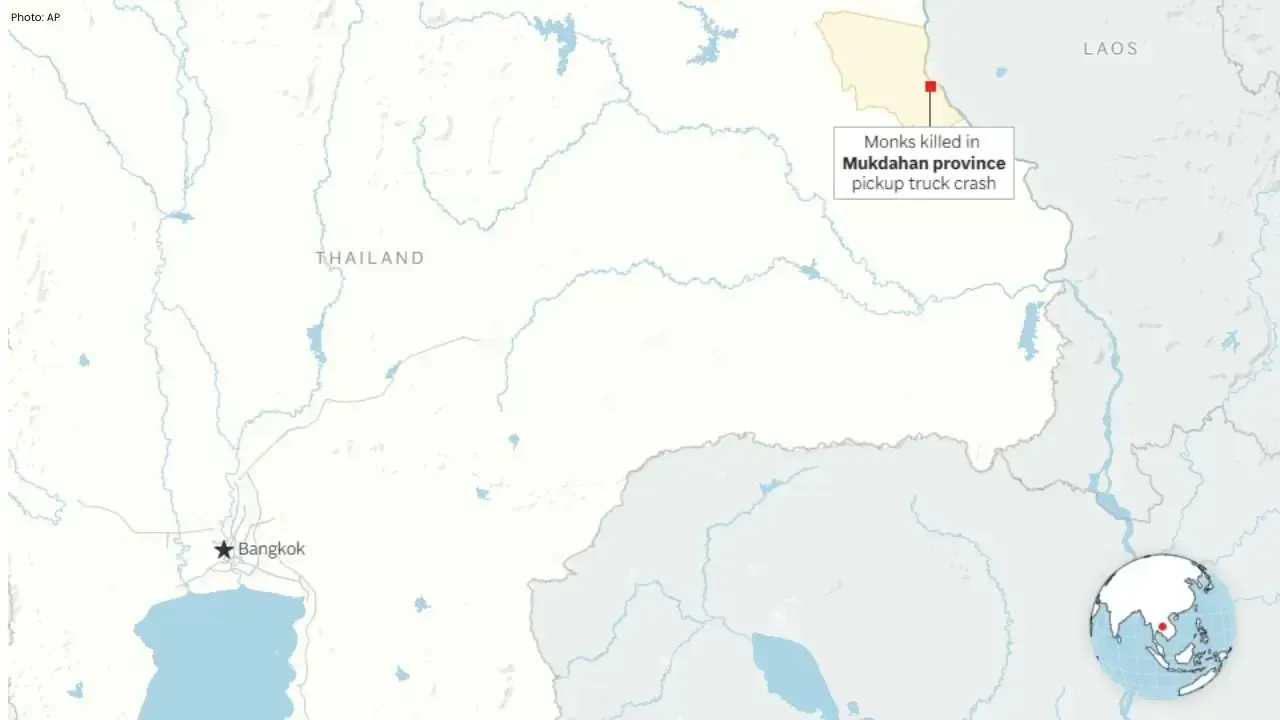
Nine Monks Killed in Thailand Pickup Truck Tragedy
An 11-year-old boy driving a pickup truck crashed into monks during a pilgrimage in northeastern Tha