
You have not yet added any article to your bookmarks!
Join 10k+ people to get notified about new posts, news and tips.
Do not worry we don't spam!
Post by : Samjeet Ariff
The unseen dangers of overthinking on everyday choices
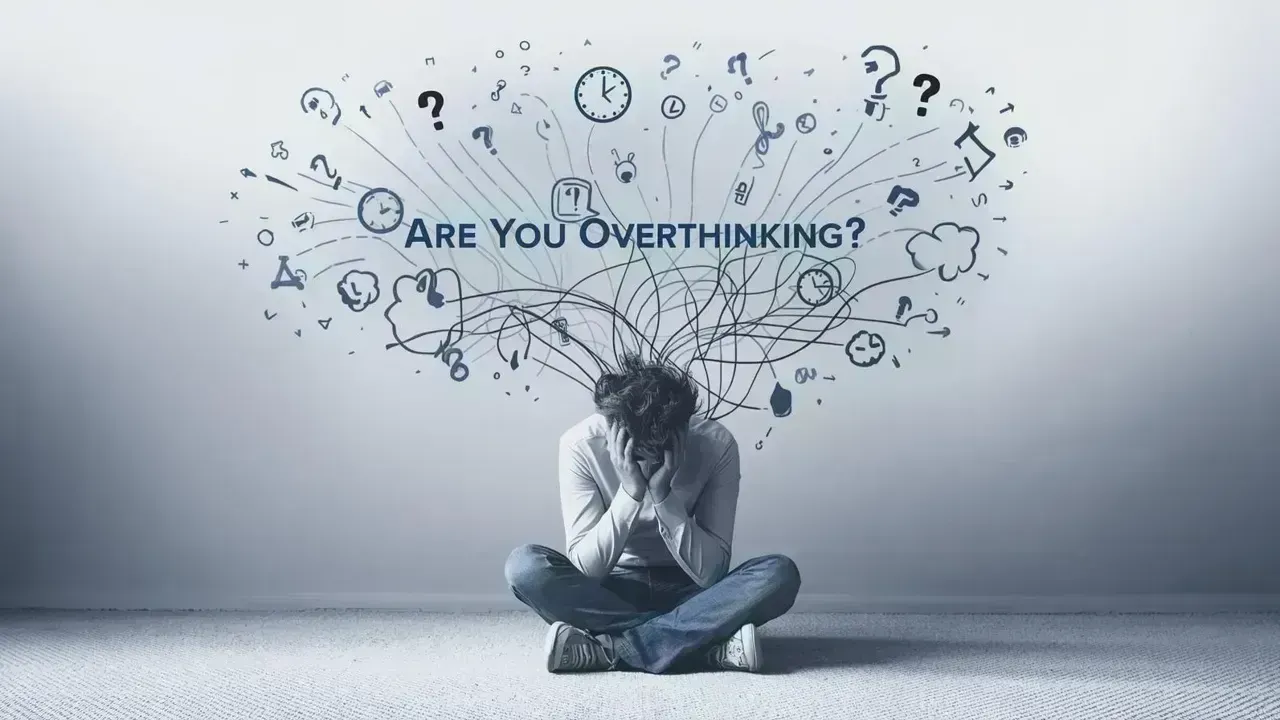
Overthinking tends to creep in silently. It begins with a single doubt or an unnecessary question, and what seems like caution gradually turns into a burden. This escalating pattern eventually disrupts your daily choices, hampers mental clarity, and undermines your peace of mind.
Many individuals are unaware that they are caught in the cycle of overthinking. They often convince themselves that they are merely being thorough in their decision-making. However, when this contemplative exercise morphs into relentless rumination, it breeds confusion. As your thoughts multiply, even the simplest decisions become overwhelming.
Overthinking refers to the tendency to dwell excessively on a situation. Rather than arriving at a decision and moving forward, you find yourself caught in a loop.
It often manifests as:
This cycle does not yield better judgments; instead, it culminates in mental fatigue, heightened stress, and confusion.
One of the most profound effects of overthinking is its influence on daily decision-making. Even trivial choices become entangled in complexity.
You may find yourself:
This occurs because your mind grapples with too many potential avenues. Instead of gaining clarity, you encounter decision fatigue and uncertainty.
When overthinking solidifies into a habit, it can lead to decision paralysis—a state where making any choice feels insurmountable.
Your thoughts spiral with questions like:
This incessant cycle hinders action and squanders your time and energy.
Overthinking extends beyond decision-making; it infiltrates your self-perception.
Continually doubting your choices can erode self-confidence. You may start doubting your instincts and seeking approval from others.
Over time, this leads to:
Instead of exuding strength and independence, you may feel hesitant and insecure.
Overthinking compels your mind to remain on high alert, even in the absence of genuine issues. This constant mental engagement escalates stress and anxiety.
Common experiences include:
Your brain requires downtime, which is crucial for your mental and physical wellbeing.
Overthinking doesn’t just clutter your mind; it spills into your actions.
You might find yourself:
This ultimately diminishes your productivity and amplifies perceived stress levels.
A prevalent form of overthinking involves envisioning dire outcomes.
Your thoughts may spiral with fears like:
While often unrealistic, these fears can feel overwhelming, impeding action.
Instead of concentrating on potential positives, your mind gets mired in negativity.
Overthinking has ramifications beyond the self; it also impacts your relationships.
You may experience:
This strain can generate misunderstandings, unnecessary tension, and emotional distance.
Initially, overthinking can appear as a strategy to avoid mistakes. You think excessively to gain a sense of control. However, this pattern often becomes automatic.
Your mind becomes conditioned to:
This cycle can be challenging to break without awareness.
Establish Time Constraints for Decision-Making
Allow yourself a specific timeframe to ponder a decision, then follow through with action.
Prioritize Action Over Perfection
Not every choice need be flawless; focusing on taking action is paramount.
Trust Your Gut Feelings
Your initial thought often reflects your true intuition. Learn to have faith in it.
Practice Mindfulness
Limit excessive reflection on past or future events; concentrate on the present moment.
Stay Actively Engaged
Keeping busy with meaningful activities can help lessen unnecessary contemplation.
While overthinking may seem innocuous initially, its long-term impact is substantial. It gradually robs you of confidence, time, and tranquility.
Striving for mental clarity is more productive than attempting to eliminate all thoughts. By reducing unnecessary mental clutter and putting a premium on action, you enhance your decision-making skills, bolster confidence, and lighten life’s burdens.
Sometimes, the most profound decision is not the perfect one, but simply the one you take without overthinking.
This article serves only as informative and educational content, focusing on general overthinking patterns, mental health, and decision-making behaviors. It does not replace professional psychological or medical guidance. Individual experiences with overthinking, stress, or anxiety can differ significantly. For serious mental health challenges, consultation with a qualified mental health professional is advisable.
#Health & Lifestyle #Fitness and Wellness #Mental Health Awarness #Mental wellness










PM Modi Pays Tribute to Mahatma Gandhi, Urges People to Support Khadi
PM Modi pays tribute to Mahatma Gandhi on Gandhi Jayanti and urges citizens to support Khadi and the

Amazon Seeks to Offload $8 Billion in Nvidia Chips to Investors
Amazon plans to move $8 billion in Nvidia chips to investors, using a new financing model to strengt

Samsung Raises Galaxy S26 Prices as Memory Chip Costs Rise
Samsung raises Galaxy S26 prices in South Korea as rising memory chip costs put pressure on smartpho

Lewis Hamilton Calls Singapore Grand Prix One of F1's Toughest Races
Lewis Hamilton discusses the demanding Singapore Grand Prix and brings Plus44 and Almave to Singapor

Denmark's Pandora Opens World's Largest Jewellery Factory in Vietnam
Pandora opens its largest jewellery factory in Vietnam, expanding global production, strengthening s

Gautam Gambhir Questions Batting-Friendly Pitches After India's Record ODI Chase
Gautam Gambhir questions batting-friendly ODI pitches after India’s record chase, calling for a bett

