
You have not yet added any article to your bookmarks!
Join 10k+ people to get notified about new posts, news and tips.
Do not worry we don't spam!
Post by : Samjeet Ariff
For years, Dubai and Abu Dhabi have dominated the Gulf’s real estate headlines. But recently, two neighboring countries—Oman and Bahrain—have begun emerging as the next property investment hotspots in the Middle East. Offering lower entry prices, investor-friendly regulations, and growing tourism, these two nations are capturing the attention of both regional and international buyers.
Let’s explore why Oman and Bahrain’s real estate markets are now on the global radar and how they’re shaping up to be the Gulf’s next big property success stories.
The Gulf real estate market is evolving beyond traditional hubs. Investors today are looking for value-driven opportunities that combine stability, affordability, and long-term growth. While Dubai continues to offer luxury and high-end investments, Oman and Bahrain present an attractive alternative with lower costs and promising returns.
Both governments are actively reforming their property laws, expanding tourism, and improving infrastructure to attract global investors and residents alike.
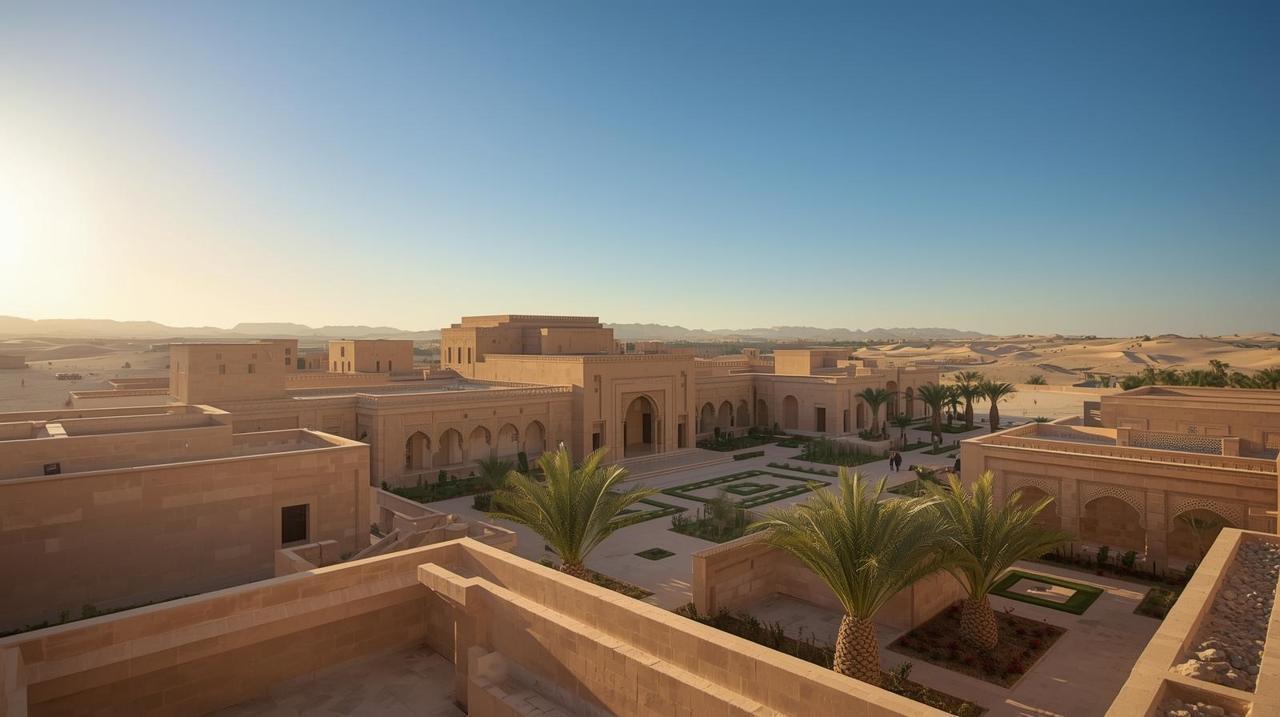
Oman’s real estate sector has undergone a quiet but steady transformation in recent years. Known for its scenic landscapes and peaceful lifestyle, Oman is becoming a preferred destination for those seeking a balance between modern living and natural beauty.
The government now allows non-GCC nationals to purchase property in designated Integrated Tourism Complexes (ITCs). These developments combine residential, leisure, and commercial zones—making them ideal for both living and investment.
Compared to Dubai or Doha, property prices in Oman remain highly affordable. Investors can acquire luxury apartments or villas at a fraction of the cost, while rental yields remain competitive due to growing demand from expatriates and professionals.
With major projects like the Oman Vision 2040 plan and increased flight connectivity, tourism is expanding rapidly. This growth is directly boosting the hospitality and short-term rental markets, creating additional revenue channels for investors.
Bahrain, often seen as the financial hub of the Gulf, is now becoming a real estate growth zone thanks to progressive policies and infrastructure investment.
Bahrain’s proximity to Saudi Arabia, coupled with its relaxed business environment, makes it a key entry point for regional and international investors. The King Fahd Causeway connects Bahrain directly to Saudi Arabia, enabling easy movement for workers and visitors.
Foreign investors can purchase freehold properties in several zones, such as Juffair, Amwaj Islands, and Bahrain Bay. These areas are designed for upscale residential and commercial development, attracting high-end buyers and developers.
Unlike the luxury-heavy markets in the UAE, Bahrain’s real estate growth is driven by affordable housing and mid-range projects. This focus caters to a broader audience, ensuring steady demand and long-term stability.
While both countries offer excellent potential, they cater to slightly different investor profiles:
Oman appeals to those seeking lifestyle-driven investments with scenic value and long-term growth.
Bahrain attracts financially oriented investors looking for stable, high-demand rental opportunities close to key Gulf markets.
Both nations share one advantage—a more accessible entry point compared to the UAE or Qatar—making them attractive to new investors entering the Gulf region.
The next decade looks promising for both Oman and Bahrain.
Oman’s Vision 2040 focuses on sustainable urban development and economic diversification beyond oil.
Bahrain’s Economic Vision 2030 prioritizes innovation, infrastructure, and global investor appeal.
With growing tourism, improved property regulations, and investor confidence, both countries are positioned to deliver consistent returns and capital appreciation in the coming years.
As Dubai’s market matures, savvy investors are exploring new frontiers in the Gulf—and Oman and Bahrain are leading that shift. With government-backed reforms, affordable entry prices, and growing international interest, both nations are on track to become the next major real estate destinations in the Middle East.
For those seeking growth, stability, and diversification, the rise of Oman and Bahrain signals a new era of property opportunity in the region.







G7 to Hold AI Cybersecurity Exercises to Protect Financial Systems
G7 finance leaders will conduct AI cybersecurity exercises to prepare for cyber attacks and protect

Spain's Diego Poncelet Sets Skateboarding World Speed Record
Spain's Diego Poncelet reaches 151.83 km/h in a record-breaking downhill skateboard run in Canada, s

Hyundai Recalls 94,622 US Vehicles Over Potential Fire Risk
Hyundai recalls 94,622 US vehicles over overheating seat motors. Check affected Genesis models, fire

Nvidia Pledges $250 Million for UK AI Safety Research
Nvidia will provide $250 million in computing resources over five years to support AI safety researc

Jacob Bethell Returns as England Name Squads for Australia Tour
England name ODI and T20 squads for the Australia tour, with Jacob Bethell returning from injury and

Beauden Barrett Opens Up About Mental Struggles During All Blacks Exile
Beauden Barrett discusses his confidence struggles after missing six tests, his return against Austr

