
You have not yet added any article to your bookmarks!
Join 10k+ people to get notified about new posts, news and tips.
Do not worry we don't spam!
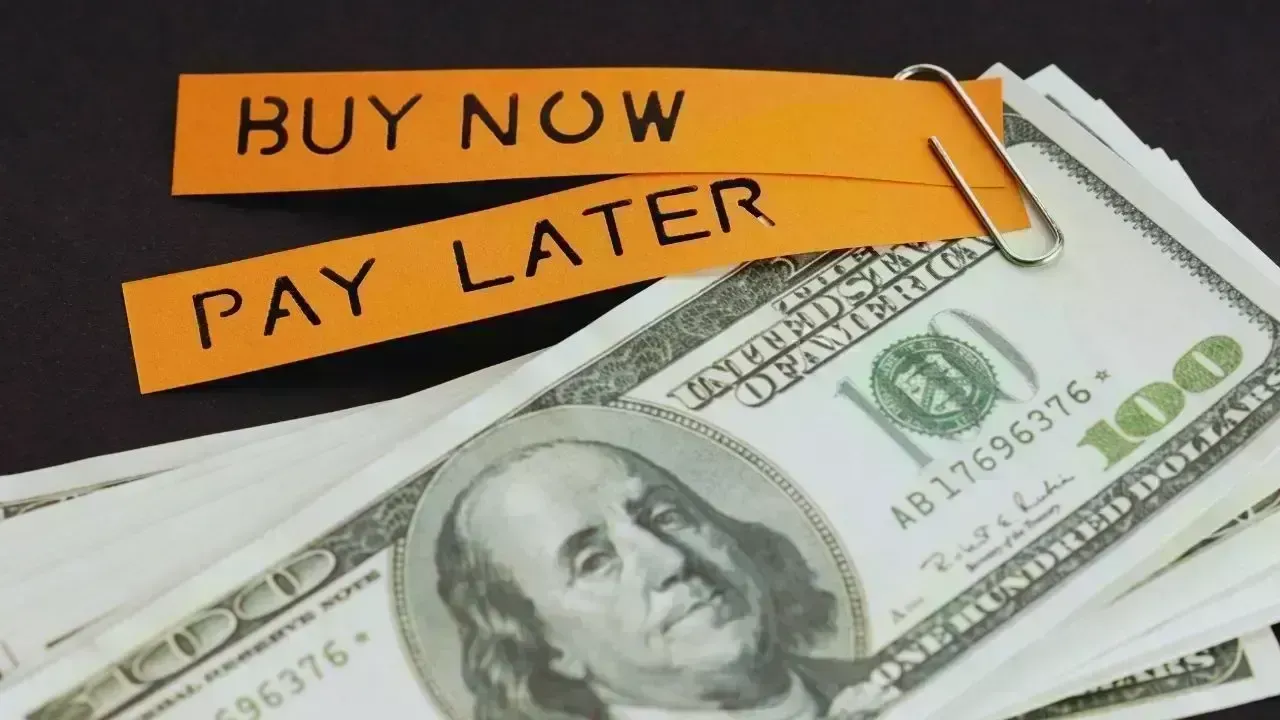
Post by : Anis Farhan
Modern youth enjoy immediate access to a variety of products, from tech to groceries, often without immediate payment. Goods arrive swiftly, often before their finances even feel the impact.
This shift did not transpire overnight; it was strategically orchestrated.
What used to involve careful planning is now framed with a comforting tagline at checkout: Buy now, pay later.
This narrative alleviates concerns, presenting itself as a stress-free solution devoid of borrowing stigma.
However, the underlying implications are more burdensome.
Purchasing without an immediate financial transaction detaches consumers from the reality of their spending. While ownership is acquired first, the financial impact emerges only later, often at a much higher cost.
There’s a stark difference in perceived risk when it comes to borrowing.
Consumers fear large debts.
In contrast, “small” payments engender a false sense of security.
A ₹500 purchase seems trivial.
An EMI of ₹1,200 appears manageable.
A split payment of ₹599 feels almost invisible.
But herein lies the real danger.
Once small borrowings become normalized, overconfidence replaces caution. Spending surges not due to increased income, but rather emotional decision-making.
A ₹60,000 phone transforms into a ₹2,500 monthly choice.
A ₹15,000 vacation becomes a mere ₹900 concern.
A ₹6,000 jacket turns into an effortless click.
Every purchase morphs into an instalment commitment.
Everything feels affordable.
And therein lies the danger.
The term 'later' represents more than deferral.
It signals permission.
It transports discomfort to the future. The buyer is relieved of immediate planning responsibilities, relying on tomorrow to bear the cost while enjoying now.
'Later' facilitates the avoidance of financial scrutiny.
It eliminates guilt.
It encourages saying yes.
Yet, 'later' conceals anxiety.
Pending bills loom.
Burdened emotions hide.
The cycle of uncertainty grows.
The real consequences occur post-purchase.
They manifest when paychecks arrive and promptly vanish.
That’s when the regret initiates.
New generations were raised in a credit-filled era.
They’ve known a world where expenses, loans, and subscriptions flourish on every device. The pace of commerce accelerates beyond contemplation.
Companies capitalize on this knowledge.
Youths are specifically approached because they are:
Driven by emotion.
In search of comfort.
Prioritizing experiences.
Tech-savvy.
Often under financial strain.
Influenced by social trends.
Conventional loans seemed daunting due to stringent requirements.
BNPL eliminates all discomfort.
No lengthy interviews.
No approval hassles.
No evident scrutiny.
Just a simple tap.
Instant ownership.
Complete.
BNPL services don’t highlight debt.
They promote a lifestyle.
Designs are inviting and gentle.
Communications feel safe and reassuring.
Every transaction flows seamlessly and without visible consequences.
The whole structure is curated to seem inviting rather than threatening.
Emotions become what drives purchase decisions.
Individuals buy not because they can afford it.
They buy because it feels gratifying.
Real problems arise when one purchase ignites multiple others.
With each successful transaction, confidence swells.
Another purchase occurs seamlessly.
Then one more.
Then even more.
Consumers seldom pause to ask, 'How many financial obligations do I already maintain?'
Because the apps don’t encourage this reflection.
Gradually:
Multiple EMIs accumulate.
Diverse due dates pile up.
Various applications withdraw funds.
One paycheck dissipates.
When panic finally sets in,
it’s not just about a single hefty loan.
It’s that countless smaller ones become overwhelming.
Traditional loans embody seriousness.
BNPL embodies silence.
There's no formality involved.
No structured agreement.
No advisory warnings.
No banking environment.
Simply a click.
Just a login.
Just a promise—often unkept.
Funds vanish discreetly.
Anxiety emerges adamantly.
BNPL disrupts financial stability.
Payments scatter across various applications.
Schedules diverge.
Automatic deductions occur stealthily.
Young earners grapple with a basic question:
“What are my total expenses for this month?”
Without a grasp on overall finances, control slips away.
Maintaining control is crucial for healthy borrowing.
Lack of control results in funds evaporating without awareness.
While BNPL often claims to have no interest fees,
the expenses still accrue.
Late payments carry more charges.
Rescheduling incurs additional costs.
Defaults lead to recovery fees.
Prolonged delays might tarnish credit ratings.
And remember, credit history doesn’t forget.
Young consumers frequently overlook the implications of one missed payment today on:
Future home loans.
Business credit decades down the line.
Trust in employment prospects.
Credit ratings shape destinies.
Messages around BNPL rarely emphasize this reality.
BNPL's most serious repercussion is its tendency to expend income before receipt.
People no longer await financial inflows.
Finances now await people.
But in due time—finances can cease.
Once future earnings are committed in advance:
Anxiety grows.
Savings evaporate.
Dependence heightens.
Individuals borrow not out of desire, but necessity.
That’s where the true distress lies.
The emotional adversities are rarely shed light upon.
BNPL gives rise to:
Payment apprehension.
Anxiety from notifications.
Shame surrounding finances.
Restlessness.
Cycles of regret.
People often dismiss bank notifications.
They scroll past recovery communications.
They pretend everything is satisfactory.
But underneath, worry brews silently.
BNPL is unforgiving.
Missed installments lead to:
Intimidating calls.
Service cut-offs.
Long-term credit complications.
Data sharing with financial entities.
What started as “just an app” can consequently become a lasting financial burden.
A single forgotten payment can trail an individual for years.
Academic frameworks focused on formulas.
Not on financial literacy.
Household teachings emphasized conduct.
Not fiscal responsibility.
Thus, current generations face digital finance unprepared.
They only learn through costly errors.
BNPL extends beyond mere shopping.
It entwines with daily living.
Groceries are purchased in instalments.
Tuition is divided into chunks.
Medical invoices are delayed.
Household bills are postponed.
Credit becomes essential.
And when even the essentials gather costs, life becomes stifling.
BNPL companies thrive not when all is well.
They profit when:
Payments falter.
Users linger longer on apps.
Habits weaken.
Fees are incurred.
Convenience translates to profits.
For them.
Not for the consumer.
True credit systems should involve:
Warning signs.
Delays.
Calculation.
Limits.
Financial education.
What BNPL presents is:
Brisk service.
Silence regarding risks.
Emotion-driven marketing.
False security.
This isn’t empowerment.
It’s manipulation.
Recovering from debt isn’t instantaneous.
Yet, proactive steps can begin now.
Utilize instalments solely for emergencies.
Refrain from lifestyle-related credit purchases.
Eliminate redundant apps.
Monitor expenditures weekly.
Pay early when possible.
Steer clear of excessive EMIs.
Discipline holds greater value than regret.
Unregulated convenience can lead to complications.
Legislation must champion:
Transparency.
Consumer awareness.
Fair recovery methods.
Financial caps.
Debt should not appear benign.
A generation conditioned to defer payment
Ultimately risks eternal financial dependency.
This paradigm fosters:
Perpetual renting.
Constant debt obligations.
Neglect of savings.
This is not liberation.
It’s concealed captivity.
BNPL doesn’t abscond with money directly.
It borrows from tomorrow.
It reshapes perception.
It causes value to distort.
It swaps careful planning for impulsive gratification.
And when the euphoria fades...
Only responsibilities remain.
The deferred payment you make today
Returns with compounded burden tomorrow.
DISCLAIMER
This content serves informational purposes only and does not constitute financial or legal counsel. Readers should seek professional financial guidance prior to utilizing services based on instalments or credit.








Jacob Bethell Returns as England Name Squads for Australia Tour
England name ODI and T20 squads for the Australia tour, with Jacob Bethell returning from injury and

Beauden Barrett Opens Up About Mental Struggles During All Blacks Exile
Beauden Barrett discusses his confidence struggles after missing six tests, his return against Austr

IMF Says AI Investment Supports Global Growth Despite Energy Shock
IMF says AI investment is supporting global growth near 3%, with Asian economies benefiting from ris

Will O'Rourke Ruled Out of New Zealand's India Series
New Zealand fast bowler Will O'Rourke will miss the India series with hamstring and calf injuries as

AI Companies Expected to Drive Most US Earnings Growth in Q3
AI companies are expected to drive US third-quarter earnings growth as investors assess tech profits

Money Market Funds See Record Inflows as Global Bond Selloff Intensifies
Global money market funds attract $153.81 billion as bond yields rise, inflation fears persist and i

