
You have not yet added any article to your bookmarks!
Join 10k+ people to get notified about new posts, news and tips.
Do not worry we don't spam!
Post by : Saif Rahman
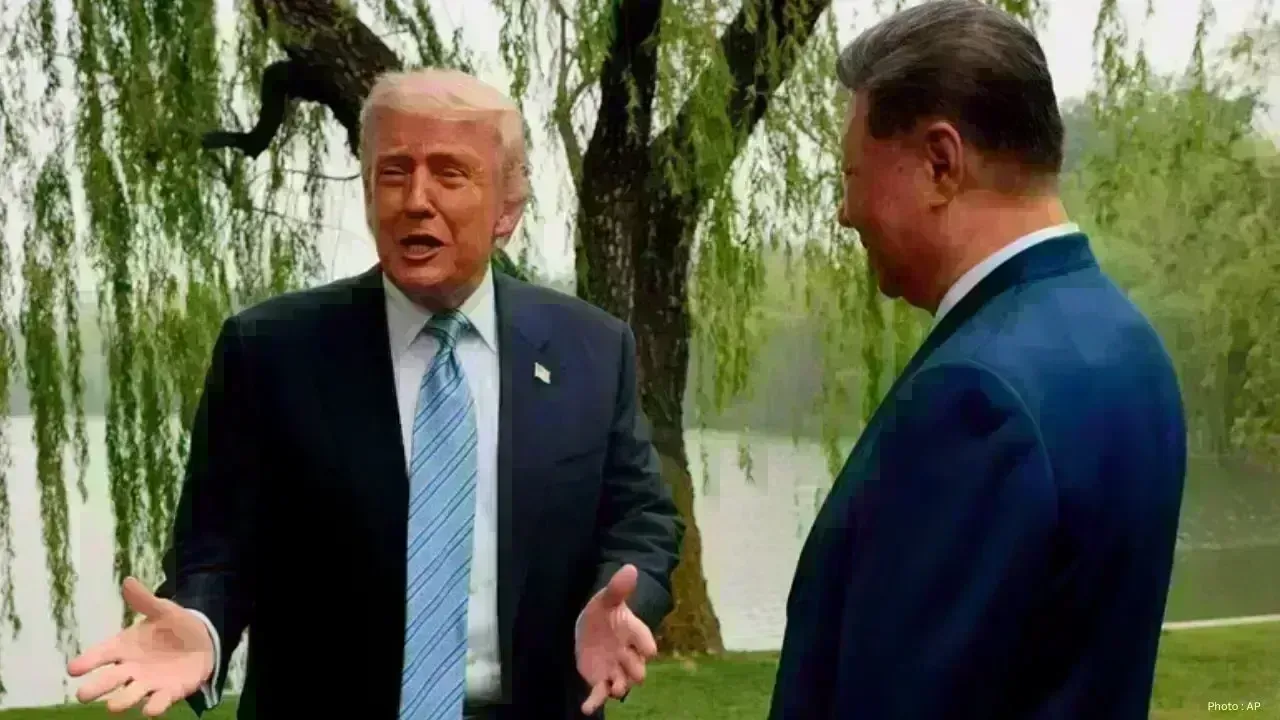
A crucial dialogue between former US President Donald Trump and Chinese President Xi Jinping has captured global attention, emphasizing the intricate relationship between the two superpowers. The conversation delved into pivotal matters including Taiwan, Iran, and trade relations.
Set against a backdrop of increasing global uncertainties, both nations are navigating their competitive landscape while striving for conflict avoidance. Despite the serious tone of the discussions, both leaders expressed a commitment to maintaining open lines of communication.
Taiwan emerged as a particularly sensitive issue. China regards Taiwan as a part of its territory, whereas the United States advocates for Taiwan's autonomy and provides defensive support. Xi Jinping cautioned that mismanaging the Taiwan situation could precipitate significant conflict, underscoring the profound divisions between the two sides.
The discussions also touched upon Iran; the US is urging China to adopt a more active role in curbing Iran's military actions and nuclear ambitions. There are serious concerns regarding energy security and the overall stability of the Middle East, particularly concerning vital sea routes essential for global oil trade. Reports indicate that both leaders acknowledged the necessity of safeguarding critical trade paths and preventing further escalation in the region.
Trade dynamics represent yet another pivotal topic. The US and China have been embroiled in trade disputes for years, characterized by tariffs, restrictions, and competition over technological supremacy. During their talks, both sides conveyed an interest in pursuing economic collaboration, despite persistent disagreements.
This meeting reflects the broader context of contemporary global politics. The interconnectedness of the US and China through trade and supply chains contrasts sharply with their status as strategic rivals. Contentious issues like Taiwan and Iran further complicate their relationship.
Nevertheless, both leaders underscored the necessity for stability. A direct conflict is in neither party's interest, given the implications for the global economy, energy sectors, and security in various regions.
Experts suggest that these talks are more focused on managing existing differences rather than fully resolving them. While no groundbreaking agreements were reached, the meeting played a crucial role in sustaining dialogue between these two influential nations.
Overall, the Trump–Xi discussions underscore the delicate balancing act in international relations: competition exists alongside the need for cooperation. The future trajectory of US–China relations will hinge on their ability to address sensitive issues like Taiwan, Iran, and global trade in the years to come.










PM Modi Pays Tribute to Mahatma Gandhi, Urges People to Support Khadi
PM Modi pays tribute to Mahatma Gandhi on Gandhi Jayanti and urges citizens to support Khadi and the

Amazon Seeks to Offload $8 Billion in Nvidia Chips to Investors
Amazon plans to move $8 billion in Nvidia chips to investors, using a new financing model to strengt

Samsung Raises Galaxy S26 Prices as Memory Chip Costs Rise
Samsung raises Galaxy S26 prices in South Korea as rising memory chip costs put pressure on smartpho

Lewis Hamilton Calls Singapore Grand Prix One of F1's Toughest Races
Lewis Hamilton discusses the demanding Singapore Grand Prix and brings Plus44 and Almave to Singapor

Denmark's Pandora Opens World's Largest Jewellery Factory in Vietnam
Pandora opens its largest jewellery factory in Vietnam, expanding global production, strengthening s

Gautam Gambhir Questions Batting-Friendly Pitches After India's Record ODI Chase
Gautam Gambhir questions batting-friendly ODI pitches after India’s record chase, calling for a bett

