
You have not yet added any article to your bookmarks!
Join 10k+ people to get notified about new posts, news and tips.
Do not worry we don't spam!
Post by : Shweta
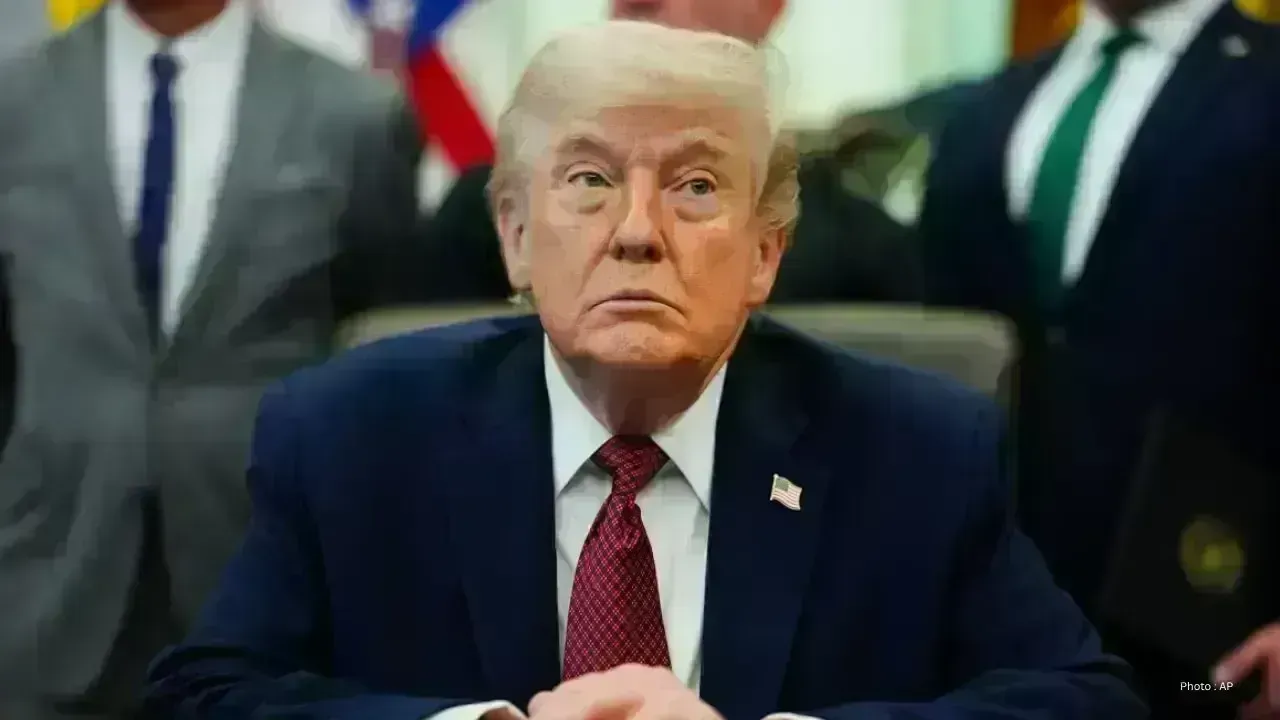
The dialogue aimed at resolving the conflict between the United States and Iran has encountered new challenges following remarks made by Donald J. Trump, which seemed to complicate delicate discussions. While officials had expressed optimism about nearing a potential agreement to end the seven-week conflict, the President's comments via social media and interviews shifted the atmosphere.
Reports suggest Trump announced that Iran had consented to key conditions, including nuclear program restrictions and enriched uranium transfers. Nevertheless, sources involved in the conversations clarified that these matters were yet to be settled. Iranian representatives countered many of these assertions, creating confusion and eroding trust during a pivotal phase of the talks.
The situation became increasingly challenging as Trump continuously updated the public about the negotiations. Some within his administration privately recognized that such open communications might have adversely impacted the diplomatic process, which typically relies on discretion, especially regarding intricate and sensitive matters.
Internally, Iran faces its challenges, with reports of divergences among significant figures such as Mohammad Bagher Ghalibaf and Abbas Araghchi, as well as the role of the Islamic Revolutionary Guard Corps. This discord raises concerns about who holds the authority to ratify any potential agreement.
On the ground, tensions are palpable. A recent incident in the Gulf of Oman, where a U.S. naval ship intercepted an Iranian cargo vessel, has only heightened strains and displayed the precariousness of the ceasefire. The provisional truce, expected to last two weeks, is now close to expiration, making negotiations more urgent.
Both nations have offered differing frameworks regarding Iran’s nuclear ambitions. The United States aims for a long-term cessation of uranium enrichment, while Iran proposes shorter limitations. Unresolved issues surrounding sanctions, regional influence, and security assurances persist.
There are indications that the U.S. administration is contemplating incentives, like releasing frozen Iranian funds, in pursuit of a more comprehensive agreement. Ultimately, reaching a resolution hinges on each party's capacity to yield on fundamental demands.
Despite the hurdles, some officials remain hopeful that discussions may still progress, potentially leading to a foundational agreement before delving into detailed negotiations. However, uncertainties persist, alongside fluctuating timelines and mixed messages from both sides.
In summary, what once appeared to be a near deal now faces significant ambiguity, with the outcome poised to influence whether regional tensions cool or escalate further.










PM Modi Pays Tribute to Mahatma Gandhi, Urges People to Support Khadi
PM Modi pays tribute to Mahatma Gandhi on Gandhi Jayanti and urges citizens to support Khadi and the

Amazon Seeks to Offload $8 Billion in Nvidia Chips to Investors
Amazon plans to move $8 billion in Nvidia chips to investors, using a new financing model to strengt

Samsung Raises Galaxy S26 Prices as Memory Chip Costs Rise
Samsung raises Galaxy S26 prices in South Korea as rising memory chip costs put pressure on smartpho

Lewis Hamilton Calls Singapore Grand Prix One of F1's Toughest Races
Lewis Hamilton discusses the demanding Singapore Grand Prix and brings Plus44 and Almave to Singapor

Denmark's Pandora Opens World's Largest Jewellery Factory in Vietnam
Pandora opens its largest jewellery factory in Vietnam, expanding global production, strengthening s

Gautam Gambhir Questions Batting-Friendly Pitches After India's Record ODI Chase
Gautam Gambhir questions batting-friendly ODI pitches after India’s record chase, calling for a bett

