
You have not yet added any article to your bookmarks!
Join 10k+ people to get notified about new posts, news and tips.
Do not worry we don't spam!
Post by : Saif Rahman
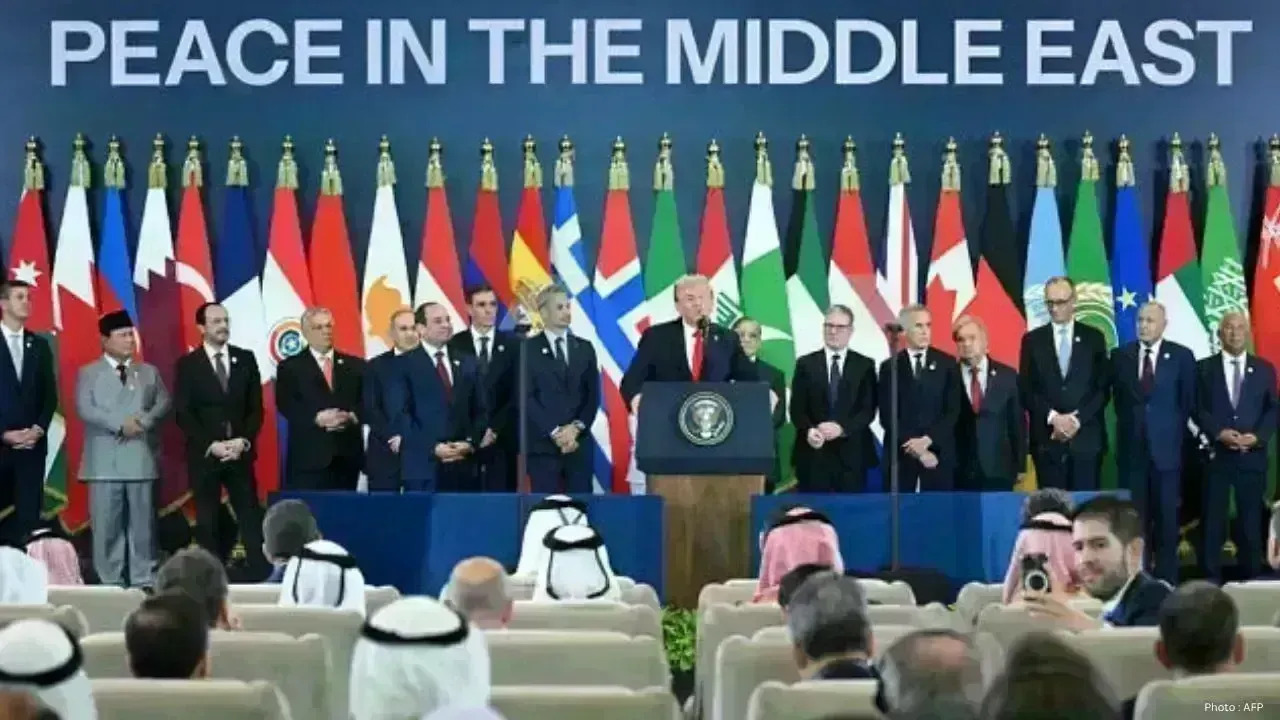
According to a report from The Times of Israel, U.S. President Donald Trump has reportedly urged various Muslim and Arab leaders to consider establishing diplomatic relations with Israel should a future agreement regarding Iran materialize. This revelation has shed light on the shifting political landscape across the Middle East, where countries are continually navigating security issues, economic aspirations, and public sentiment.
The discussions seem to revolve around a renewed understanding concerning Tehran’s nuclear ambitions. Although no official validation has been made about these private talks, reports indicate that Trump perceives a deal with Iran as potentially paving the way for greater diplomatic acceptance of Israel among Arab nations.
Normalization has become a significant topic in regional affairs since the Abraham Accords were signed during Trump’s administration. These accords resulted in several Arab countries formalizing relations with Jerusalem, thereby establishing new pathways for trade, tourism, technology cooperation, and defense alliances.
Proponents of normalization argue that enhanced diplomatic connections could mitigate conflict and usher in economic benefits across the region. On the other hand, critics warn that the plight of the Palestinians is often overlooked while governments concentrate on strategic alignments and security collaboration.
Many Gulf nations remain wary of Iran due to ongoing tensions surrounding regional dominance, armed factions, and military engagements. Simultaneously, several of these governments wish to avert another extensive conflict that could destabilize energy sectors, investment avenues, and economic stability.
The potential for a future nuclear agreement holds significant sensitivity. Western nations have tirelessly aimed to curb Tehran's nuclear efforts, while Iranian officials assert the peaceful nature of their endeavors. Negotiations involving international mediation have frequently encountered setbacks and political friction.
This revelation has reignited discussions regarding the U.S. role in Middle Eastern diplomacy. During his presidency, Trump fervently advocated for expanding relations between Israel and Arab nations, framing these pacts as pivotal diplomatic victories. His administration posited that regional cooperation could foster enduring stability.
Conversely, many Palestinians and their advocates denounce these approaches, arguing that critical issues surrounding territory, sovereignty, and statehood are overlooked. Public opinion in various Arab nations continues to strongly favor Palestinian rights, rendering this issue a politically delicate subject for leaders.
Political experts argue that any progression towards broader acknowledgment of Israel will hinge on several determinants, including regional security, economic interests, and advancements involving Palestinian leadership. Additionally, governments throughout the Middle East are keenly observing negotiatory movements concerning Iran, as any agreement could fundamentally alter strategic partnerships.
Economic factors play a crucial role as well. Numerous Gulf countries are making substantial investments in tourism, technology, infrastructure, and trade diversification, preparing for a future where they rely less on oil revenues. Ensuring diplomatic stability is vital for luring foreign investments and fostering regional business ventures.
Despite the rising political engagement, numerous challenges remain unaddressed. Conflicts, humanitarian issues, and deep-rooted historical rifts continue to shape public discourse in the region. As a result, leaders must skillfully navigate international diplomacy alongside domestic political realities.
The latest report underscores the intertwining of Iran negotiations and Arab-Israeli relations. Whether these discussions will eventually yield wider diplomatic agreements is uncertain, yet the evolving situation is influencing political dialogues throughout the Middle East.
#Global News #World Update #Global Updates #Middle East #World News










PM Modi Pays Tribute to Mahatma Gandhi, Urges People to Support Khadi
PM Modi pays tribute to Mahatma Gandhi on Gandhi Jayanti and urges citizens to support Khadi and the

Amazon Seeks to Offload $8 Billion in Nvidia Chips to Investors
Amazon plans to move $8 billion in Nvidia chips to investors, using a new financing model to strengt

Samsung Raises Galaxy S26 Prices as Memory Chip Costs Rise
Samsung raises Galaxy S26 prices in South Korea as rising memory chip costs put pressure on smartpho

Lewis Hamilton Calls Singapore Grand Prix One of F1's Toughest Races
Lewis Hamilton discusses the demanding Singapore Grand Prix and brings Plus44 and Almave to Singapor

Denmark's Pandora Opens World's Largest Jewellery Factory in Vietnam
Pandora opens its largest jewellery factory in Vietnam, expanding global production, strengthening s

Gautam Gambhir Questions Batting-Friendly Pitches After India's Record ODI Chase
Gautam Gambhir questions batting-friendly ODI pitches after India’s record chase, calling for a bett

