
You have not yet added any article to your bookmarks!
Join 10k+ people to get notified about new posts, news and tips.
Do not worry we don't spam!
Post by : Rameen Ariff
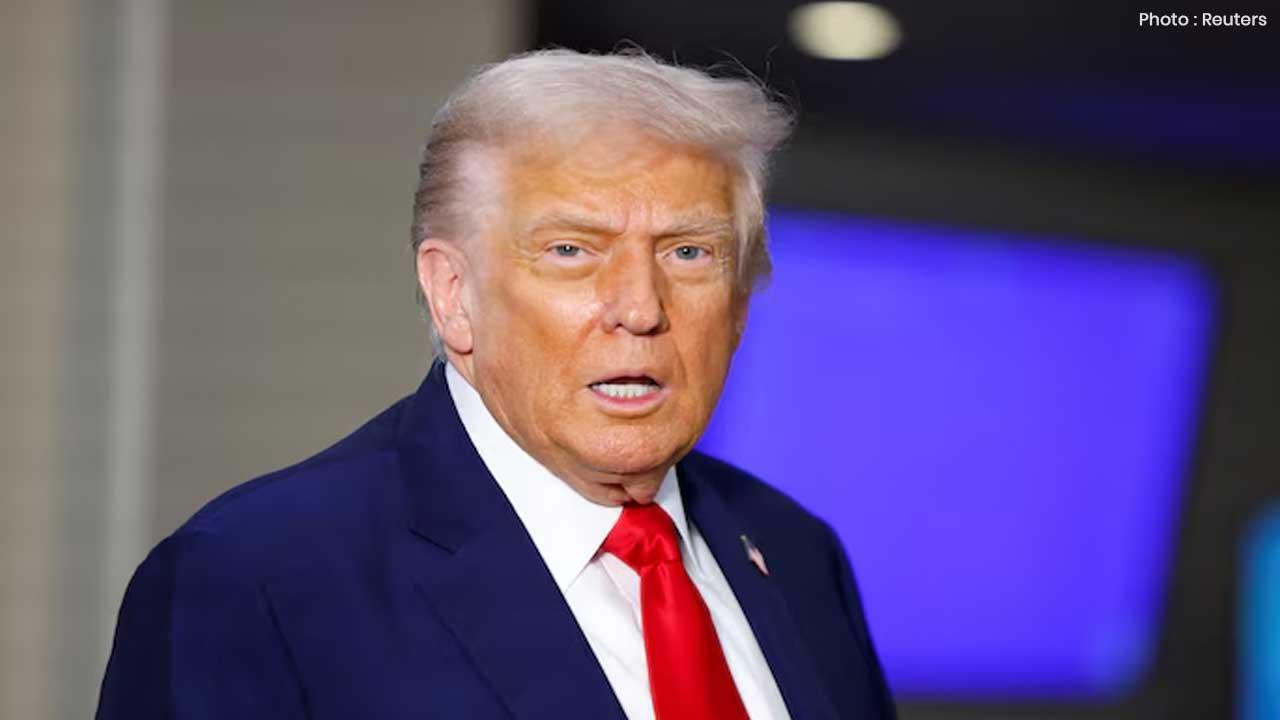
The Trump administration’s new restrictions on H1-B visas are sparking concerns over the future of American innovation, higher education, and economic competitiveness. The H1-B visa, long a cornerstone of the US STEM ecosystem, allows highly skilled international workers to contribute to technology, engineering, and research sectors. Experts warn that the recent changes, including a $100,000 fee per new H1-B petition, may discourage international students and workers from coming to the United States, while competitors like Australia, France, and Germany actively court global talent. The H1-B visa system has historically attracted the world’s brightest minds, making the United States a hub for innovation, entrepreneurship, and advanced research.
In FY-2024, more than 255,000 H1-B visas were granted for computer-related fields alone, representing 64% of all H1-B approvals. Indian professionals received an astounding 71% of these visas, highlighting the country’s crucial role in supplying STEM talent to US tech firms. Reducing H1-B opportunities threatens to disrupt this talent pipeline, impacting startups, tech companies, and research labs that rely heavily on international expertise. Analysts warn that the US could lose its competitive edge in technology and AI development if these visa changes continue.
Other nations are taking note and moving quickly to attract global STEM talent. Australia, through its MATES (Mobility Arrangement for Talented Early-professionals Scheme), allows Indian graduates in STEM fields to work temporarily for up to two years. France plans to welcome 20,000 Indian students by 2030, offering one-year French language programs before degree courses and providing five-year short-stay visas for graduates. Germany has increased visas for skilled Indian workers from 20,000 to 90,000, reduced bureaucratic hurdles, and simplified recognition of Indian qualifications. As H1-B restrictions grow, countries like Australia, France, and Germany become increasingly attractive to students and skilled workers who previously considered the United States.
Experts emphasize that revising and strengthening the H1-B program could protect American competitiveness while balancing domestic employment concerns. The government must consult industry leaders, universities, and higher education institutions to ensure policies protect American workers without discouraging the world’s best STEM talent. Merit-based H1-B allocations could replace the current lottery system, ensuring highly skilled workers fill critical roles while maintaining fairness for domestic graduates. Without these reforms, the US risks losing talent to nations with more welcoming policies.
The economic implications are also significant. According to NAFSA, international students contributed $43.8 billion to the US economy and supported over 378,000 jobs in 2023–2024. If foreign students are deterred from studying in the United States, the nation could face a $7 billion loss and 60,000 fewer jobs. Protecting the H1-B visa program is thus essential not only for STEM growth but also for the broader economy, higher education funding, and local communities that rely on international student spending.
Investing in domestic manufacturing and workforce skills is another key strategy. Expanding programs like the Advanced Manufacturing Production Credit could strengthen the American industrial base while ensuring that domestic workers are trained for high-demand roles. This approach complements the H1-B program by balancing local job creation with the retention of global talent. Without such investments, tech firms may continue offshoring jobs, and the US could face a talent shortage in critical STEM sectors.
The Trump administration’s H1-B visa restrictions aim to prioritize American workers, but experts warn of a potential long-term loss in innovation and global competitiveness. As countries like Australia, France, and Germany actively attract skilled professionals, the US must revise its policies to retain its edge in STEM education, technology, and research. The future of American innovation may depend on whether the nation balances domestic workforce priorities with global talent attraction, ensuring that the H1-B visa remains a vital tool for economic growth.








PM Modi Pays Tribute to Mahatma Gandhi, Urges People to Support Khadi
PM Modi pays tribute to Mahatma Gandhi on Gandhi Jayanti and urges citizens to support Khadi and the

Amazon Seeks to Offload $8 Billion in Nvidia Chips to Investors
Amazon plans to move $8 billion in Nvidia chips to investors, using a new financing model to strengt

Samsung Raises Galaxy S26 Prices as Memory Chip Costs Rise
Samsung raises Galaxy S26 prices in South Korea as rising memory chip costs put pressure on smartpho

Lewis Hamilton Calls Singapore Grand Prix One of F1's Toughest Races
Lewis Hamilton discusses the demanding Singapore Grand Prix and brings Plus44 and Almave to Singapor

Denmark's Pandora Opens World's Largest Jewellery Factory in Vietnam
Pandora opens its largest jewellery factory in Vietnam, expanding global production, strengthening s

Gautam Gambhir Questions Batting-Friendly Pitches After India's Record ODI Chase
Gautam Gambhir questions batting-friendly ODI pitches after India’s record chase, calling for a bett

