You have not yet added any article to your bookmarks!
Join 10k+ people to get notified about new posts, news and tips.
Do not worry we don't spam!

Post by : Saif Rahman
In a move that has raised alarms among civil society and opposition, the Ugandan government is restricting the import of Starlink satellite internet devices just weeks before a highly anticipated national election.
With President Yoweri Museveni set to seek another term in the January 15 election, opposition leader Bobi Wine—a popular musician and fervent critic of Museveni—is gearing up to challenge him once more.
The restrictions were first brought to light through a leaked memo from the Uganda Revenue Authority, dated December 19. This document indicated that any imports of Starlink devices must receive approval from the military chief, General Muhoozi Kainerugaba, who is also Museveni’s son, fueling public debate and contention.
Although the revenue authority confirmed the memo’s authenticity, they attempted to downplay concerns by stating that many nations regulate communication technology imports. Nevertheless, the timing of the announcement has led to widespread anxiety, especially in light of Uganda’s history of election-related internet shutdowns.
During the last general election in 2021, the government implemented an internet blackout that lasted several days, severely limiting communication and reporting. Bobi Wine contested the election results, alleging fraud, a claim that Museveni denied. Observers noted that the internet disruption hindered public oversight during crucial voting periods.
Starlink, owned by billionaire Elon Musk, currently lacks an official license to operate in Uganda. Yet, many citizens have procured the devices to access reliable internet, especially in remote areas. These new restrictions threaten to diminish such access as the election nears.
Bobi Wine, whose full name is Robert Kyagulanyi, sharply criticized the government's decision via social media, questioning why the authorities would seek to limit internet access if they were not concealing anything. His comments resonate with broader opposition fears that this move aims to control information and curb independent journalism.
Despite being hailed for fostering stability and economic growth in Uganda, Museveni's government faces increasing accusations of silencing dissenters and imposing restrictions on freedoms. Over time, constitutional amendments have lifted both age and term limits for the presidency.
As election day approaches, the restrictions on Starlink imports stand as a potent symbol of ongoing concerns about transparency, fairness, and access to information. For many Ugandans, stay connected during the election is deemed vital for ensuring their voices resonate.




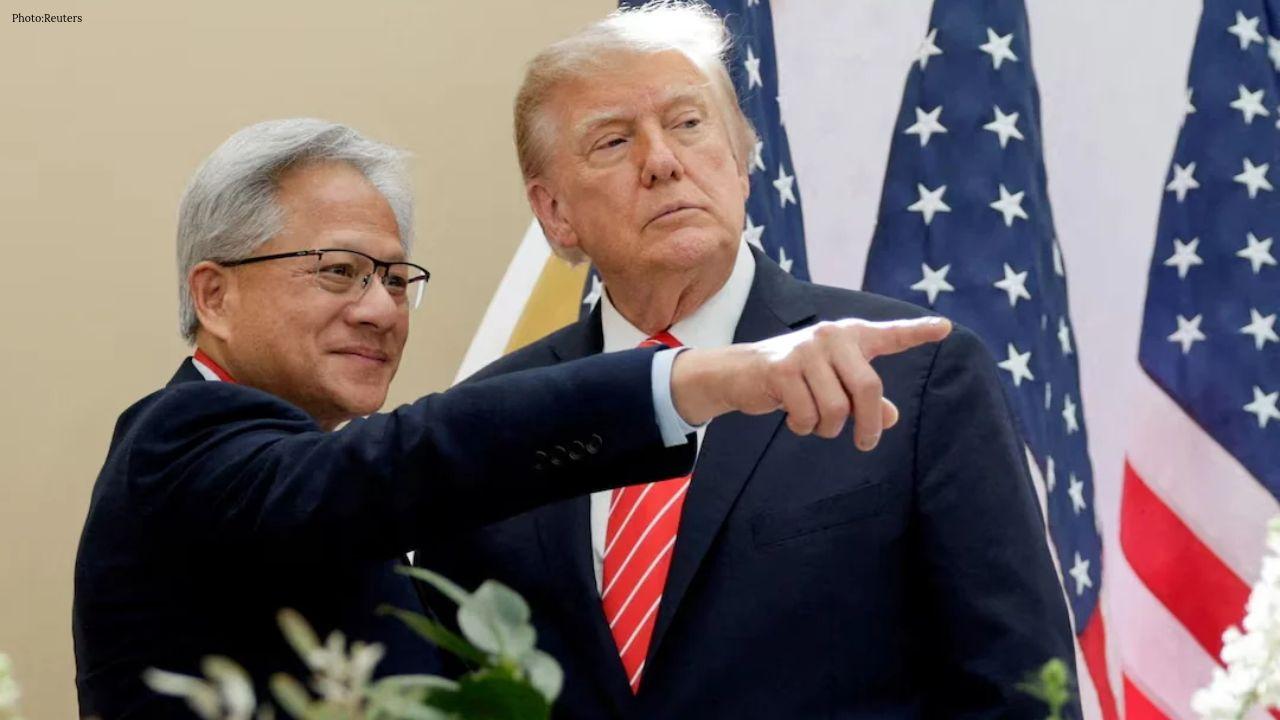


APEC Members Emphasise Safe and Responsible Use of Artificial Intelligence
APEC members discuss responsible AI use, digital innovation and data governance as China and the US

Union of European Clubs Challenge UEFA and EFC Over EU Competition Rules
UEC files an EU competition complaint against UEFA and EFC, challenging club representation, governa

Mohammed Shami Retires From Test Cricket, Eyes White-Ball Career
Mohammed Shami retires from Test cricket after 13 years, with 229 wickets. He will continue playing

Singapore Warns Users About Privacy and Security Risks of AI Agents
Singapore warns users about AI agent security risks, data privacy, online scams and unauthorised acc

Chris Lynn Completes One-Month Ban After Positive Cocaine Test
Australian cricketer Chris Lynn completes a one-month ban after a positive cocaine test during the T

Djokovic Eyes Strong Season Finish as Health Improves Ahead of Paris Masters
Novak Djokovic reports improved health and performance as he targets a strong Paris Masters finish a