
You have not yet added any article to your bookmarks!
Join 10k+ people to get notified about new posts, news and tips.
Do not worry we don't spam!
Post by : Badri Ariffin
LONDON – The UK government gears up to present a critical budget this Wednesday, focusing on curbing inflation, minimizing debt, and revitalizing a languid economy. With a year since Labour's sweeping electoral victory, the expected economic revival has yet to surface, causing unease among both citizens and commerce.
Despite attempts to stabilize the fiscal landscape, inflation is persistently high and borrowing continues to surge. Experts caution that the administration has limited flexibility, depending primarily on tax increases to bridge financial gaps instead of unpopular cuts to spending, particularly among Labour members.
Economic Challenges and Growing Debt
The UK's economy, which consistently underachieves compared to historical norms, is entangled in numerous challenges. The aftermath of the COVID-19 pandemic, trade disruptions from Brexit, and global pressures like the Russia-Ukraine conflict and tariffs have culminated in weak economic growth. Current debt levels hover around 95% of national income, accruing over £100 billion yearly in interest payments alone.
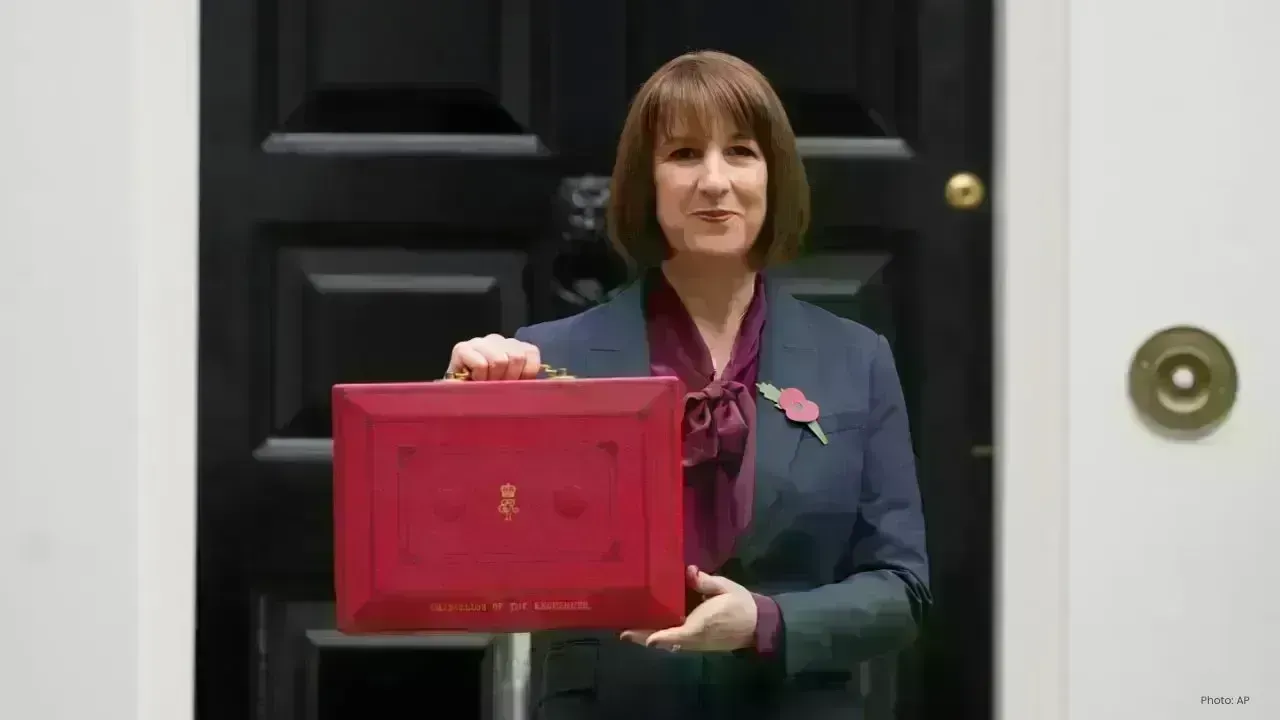
Labour’s Treasury chief, Rachel Reeves, is set to reveal various revenue-boosting strategies. Proposed measures include levying taxes on high-value properties, introducing pay-per-mile fees for electric vehicles, and potentially adjusting corporate and employee tax rates. Concurrently, the government intends to implement targeted relief strategies such as above-inflation pension increases and freezing train fares to mitigate public backlash.
Increased Political Pressures
This budget comes at a time of heightened anxiety within the Labour Party. Prime Minister Keir Starmer, previously lauded for his electoral success, is now encountering concerns from party members regarding stagnant public support and persistently low polling figures. Some analysts caution that an ill-conceived budget could significantly harm the party's credibility, even though elections aren't mandated until 2029.
The government's challenge is evident: implementing tax increases may stabilize financial markets but risks alienating voters, while restraining tax hikes could reflect fiscal fragility and discourage investors. The upcoming budget represents a pivotal juncture for Labour’s economic trustworthiness and future political prospects.










PM Modi Pays Tribute to Mahatma Gandhi, Urges People to Support Khadi
PM Modi pays tribute to Mahatma Gandhi on Gandhi Jayanti and urges citizens to support Khadi and the

Amazon Seeks to Offload $8 Billion in Nvidia Chips to Investors
Amazon plans to move $8 billion in Nvidia chips to investors, using a new financing model to strengt

Samsung Raises Galaxy S26 Prices as Memory Chip Costs Rise
Samsung raises Galaxy S26 prices in South Korea as rising memory chip costs put pressure on smartpho

Lewis Hamilton Calls Singapore Grand Prix One of F1's Toughest Races
Lewis Hamilton discusses the demanding Singapore Grand Prix and brings Plus44 and Almave to Singapor

Denmark's Pandora Opens World's Largest Jewellery Factory in Vietnam
Pandora opens its largest jewellery factory in Vietnam, expanding global production, strengthening s

Gautam Gambhir Questions Batting-Friendly Pitches After India's Record ODI Chase
Gautam Gambhir questions batting-friendly ODI pitches after India’s record chase, calling for a bett

