You have not yet added any article to your bookmarks!
Join 10k+ people to get notified about new posts, news and tips.
Do not worry we don't spam!

Post by : Saif Rahman
The UK government has amended its controversial labour reform plan after significant pushback from the business sector. This revision pertains to proposed regulations on unfair dismissal rights, which are central to the upcoming Employment Rights Bill being introduced by the Labour government.
Initially, the reform aimed to grant employees the right to contest unfair dismissals from their very first day of employment. However, many businesses argued that this would complicate hiring, especially for smaller enterprises. Amid continued discussions, the government has now set a six-month qualifying period for unfair dismissal protection instead of the previously proposed immediate rights.
This modification is seen as a crucial step towards advancing the Employment Rights Bill. Officials have framed it as a compromise that addresses the concerns of both employees and employers.
The reaction to the updated proposal has been varied. Unions have applauded the reduction from the existing two-year waiting period, viewing it as a significant advancement for workers. They also endorsed the introduction of day-one rights for sick pay and paternity leave, set to commence in April 2026. Despite this, some unions expressed disappointment about unmet commitments, particularly regarding the restrictions on fire-and-rehire tactics and zero-hours contracts.
Conversely, business organizations have embraced the change. Notable industry bodies, including the Confederation of British Industry and the British Chambers of Commerce, praised the six-month period as a manageable and established timeframe. They have called on the government to engage further on other employer-related issues, such as regulations on seasonal work and guaranteed hours.
Government representatives have defended the adjustments. Business and Trade Secretary Peter Kyle stated that the objective was to achieve a better equilibrium between workforce needs and employer interests, promoting productive work environments. He emphasized that the reforms were intended to foster positive communication and fairness rather than incite conflict.
The Employment Rights Bill is a cornerstone of the Labour Party's agenda. Following their return to power in 2024 after over a decade in opposition, Prime Minister Keir Starmer and Finance Minister Rachel Reeves aim to rejuvenate the UK economy, which has faced sluggish growth since the financial downturn in 2007–08. They contend that enhanced worker protections will stabilize the labor market and reduce the frequency of disruptive strikes.
However, those on the political opposition raised concerns. Kemi Badenoch, head of the Conservative Party, described the revision as a “humiliating U-turn” and argued that the legislation still holds components that may hinder businesses and stifle economic growth.
The government has indicated that most provisions of the bill will not come into effect until 2026. It has promised additional consultations regarding secondary regulations and confirmed that substantial modifications to the unfair dismissal waiting period would necessitate a comprehensive act of Parliament. Additionally, the government committed to removing the cap on compensation for unfair dismissal, a move welcomed by numerous unions as a significant gain for workers.
Despite its compromises, some union leaders have greeted the bill's final version positively. Mike Clancy, General Secretary of the Prospect union, noted that these reforms would simplify the system and enhance worker protection. He referred to the bill as “a favorable deal for working individuals” and commended trade unions for their role in negotiating feasible changes.
As the Employment Rights Bill progresses towards becoming law, both employees and employers are keenly observing how the finalized regulations will influence the UK's workforce landscape.









Hyundai raises profit target, expands hybrid lineup in the US
Hyundai hybrid cars get a major boost as the automaker raises its profit margin target and plans new

Josh Kerr and Jakob Ingebrigtsen Set for 1,500m Rivalry Rematch
Josh Kerr and Jakob Ingebrigtsen will renew their 1,500m rivalry at the Ultimate Championship in Bud

PSG Coach Luis Enrique Urges Players to Step Outside Comfort Zone
PSG coach Luis Enrique says players must leave their comfort zone and keep improving as the club tar

China’s Tiangong Sets New 400m Record at Robot Olympics
China’s Tiangong robot sets a new 400m record at the Robot Olympics, beating a South African robot i
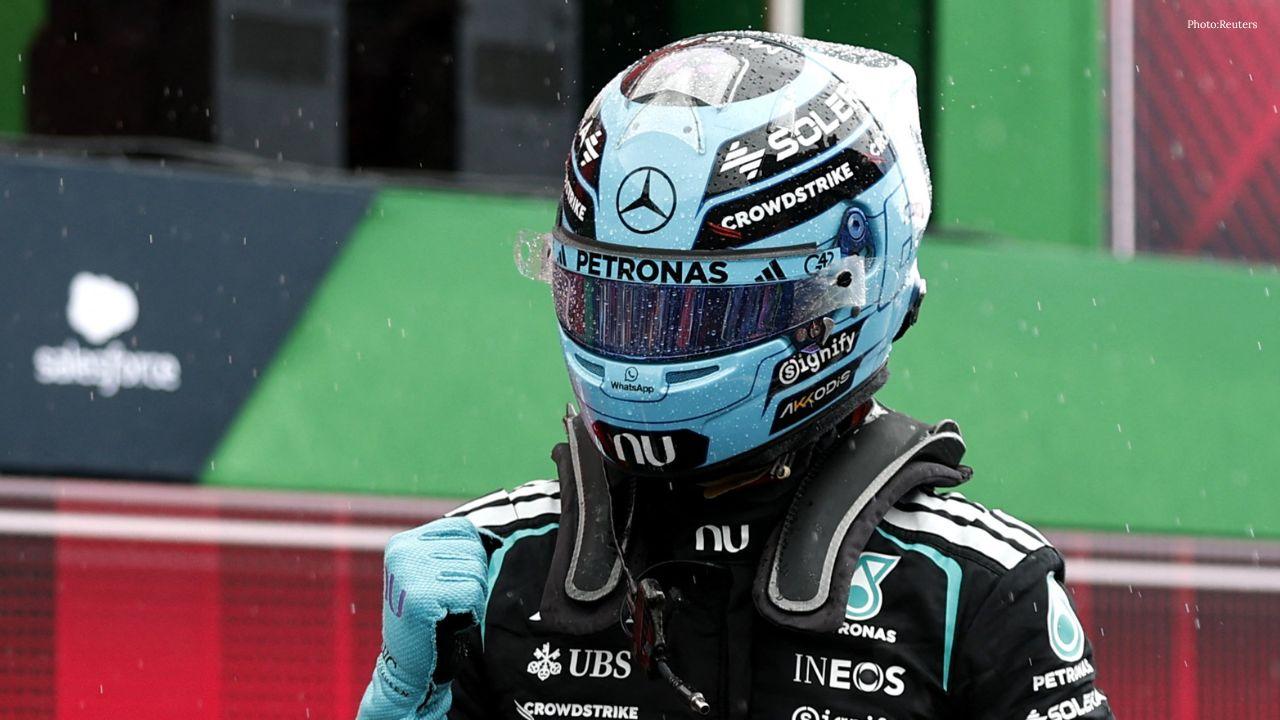
George Russell Wins Dutch GP Sprint, Boosts Mercedes Morale
George Russell wins the Dutch GP Sprint from pole as Mercedes teammate Kimi Antonelli extends his F1
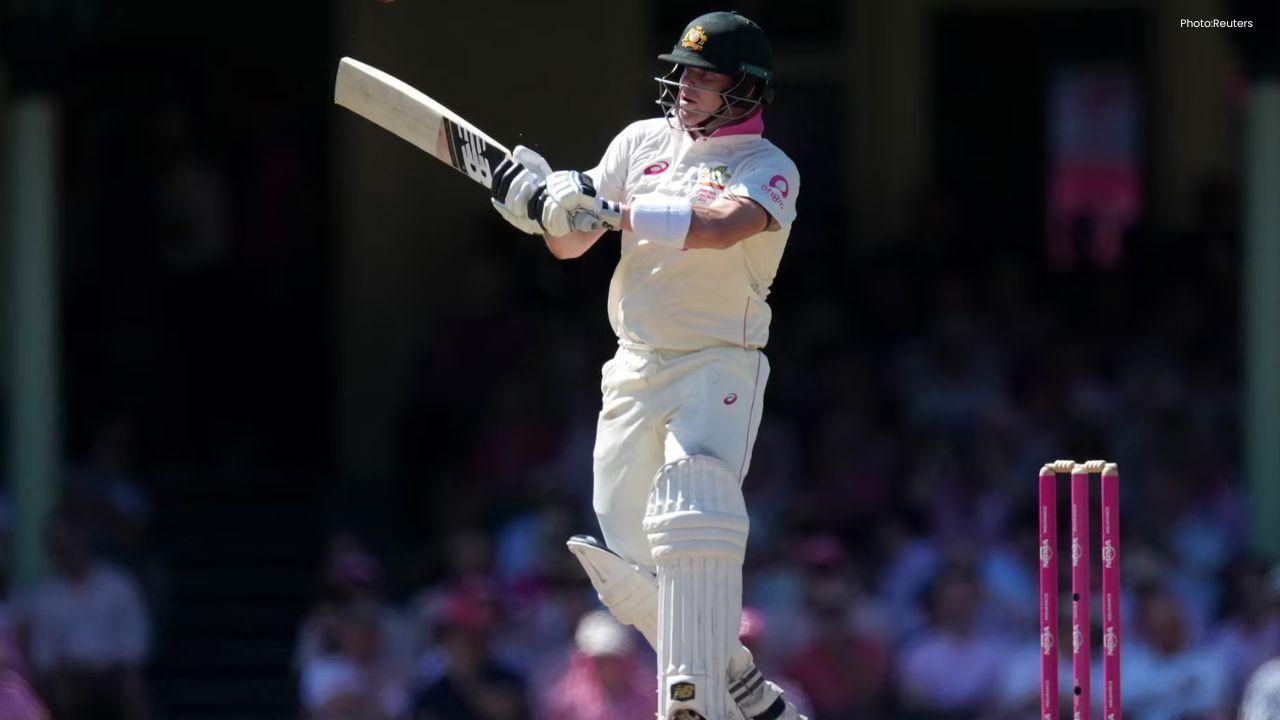
Australia 50/3 After Bangladesh Bowled Out for 64 in Second Test
Australia reached 50/3 after Bangladesh were bowled out for 64 in the second Test, with Mitchell Sta