You have not yet added any article to your bookmarks!
Join 10k+ people to get notified about new posts, news and tips.
Do not worry we don't spam!

Post by : Saif Rahman
In a significant ruling, the Supreme Court of the United Kingdom has dismissed a collective lawsuit involving some of the world’s prominent banks, related to foreign exchange market manipulation. The claim, which stood at approximately $3.6 billion, accused these banks of colluding to alter currency values over a decade ago.
The financial institutions in question include Citigroup, JPMorgan, Barclays, MUFG, NatWest, and UBS. They were defending against a mass legal action initiated by numerous asset managers, pension funds, and financial institutions claiming damages due to the banks' alleged market manipulation.
This lawsuit was spearheaded by Phillip Evans, a past senior figure at the UK's Competition Markets Authority. His arguments were bolstered by evidence from the European Commission, which in 2019 fined several of these global banks over 1 billion euros for violating competition laws.
The Commission revealed that traders communicated sensitive details and coordinated strategies within private online groups. This collusion transpired between 2007 and 2013, severely impacting the foreign exchange marketplace, a critical sector in global finance.
To date, banks have collectively paid over $11 billion in penalties to regulatory bodies in the UK, US, and Europe for similar accusations. However, this specific lawsuit sought to extend the claims further through a mass legal initiative.
The legal path of this case was tumultuous. In 2022, the Competition Appeal Tribunal denied its progression as an “opt-out” class action, which would have included all affected stakeholders unless they opted out. Subsequently, the Court of Appeal allowed the case to continue, leading to renewed proceedings.
The banks took the matter to the UK Supreme Court, which ruled in their favor on Thursday, reaffirming the prior decision to stop the mass lawsuit. As a result, claimants are unable to seek damages collectively as one large entity.
Experts in law suggest this ruling establishes a challenging precedent for future group lawsuits in the UK, particularly regarding cases that hinge on previous regulatory findings. While banks have sidestepped yet another expensive legal confrontation, many investors expressing hopes for recovery have been left disheartened.
This outcome underscores the challenges inherent in transforming regulatory fines into successful, collective compensation actions and illustrates the complex and protracted nature of financial litigation, even years after the alleged infractions occurred.










Josh Kerr and Jakob Ingebrigtsen Set for 1,500m Rivalry Rematch
Josh Kerr and Jakob Ingebrigtsen will renew their 1,500m rivalry at the Ultimate Championship in Bud

PSG Coach Luis Enrique Urges Players to Step Outside Comfort Zone
PSG coach Luis Enrique says players must leave their comfort zone and keep improving as the club tar

China’s Tiangong Sets New 400m Record at Robot Olympics
China’s Tiangong robot sets a new 400m record at the Robot Olympics, beating a South African robot i

George Russell Wins Dutch GP Sprint, Boosts Mercedes Morale
George Russell wins the Dutch GP Sprint from pole as Mercedes teammate Kimi Antonelli extends his F1
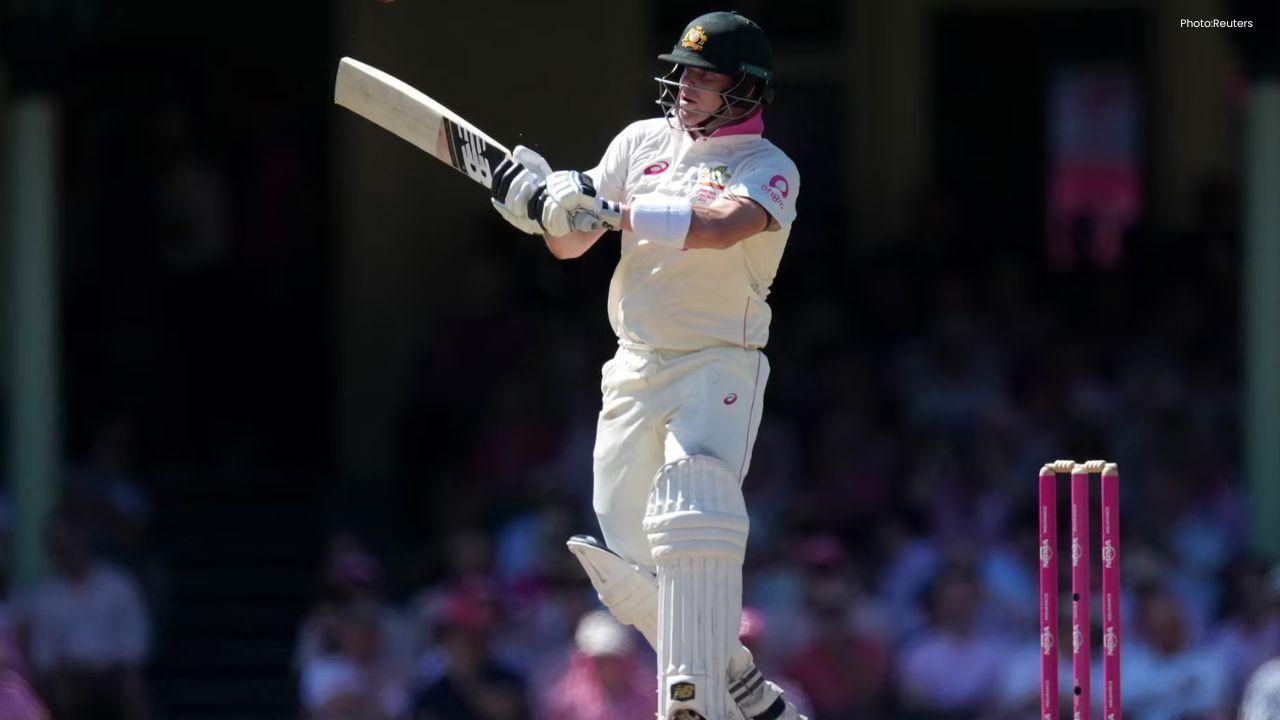
Australia 50/3 After Bangladesh Bowled Out for 64 in Second Test
Australia reached 50/3 after Bangladesh were bowled out for 64 in the second Test, with Mitchell Sta

Jordan Burroughs Returns to Wrestling with 2028 Olympic Dream
Jordan Burroughs returns to wrestling with Real American Freestyle as the Olympic champion eyes a po