
You have not yet added any article to your bookmarks!
Join 10k+ people to get notified about new posts, news and tips.
Do not worry we don't spam!
Post by : Saif Rahman
Heightened concerns over surveillance and security have emerged following reports of stray Ukrainian drones entering territories adjacent to NATO member countries within Eastern Europe. This situation has ignited discussions surrounding air defense readiness and the escalating dangers posed by the ongoing Ukraine-Russia conflict.
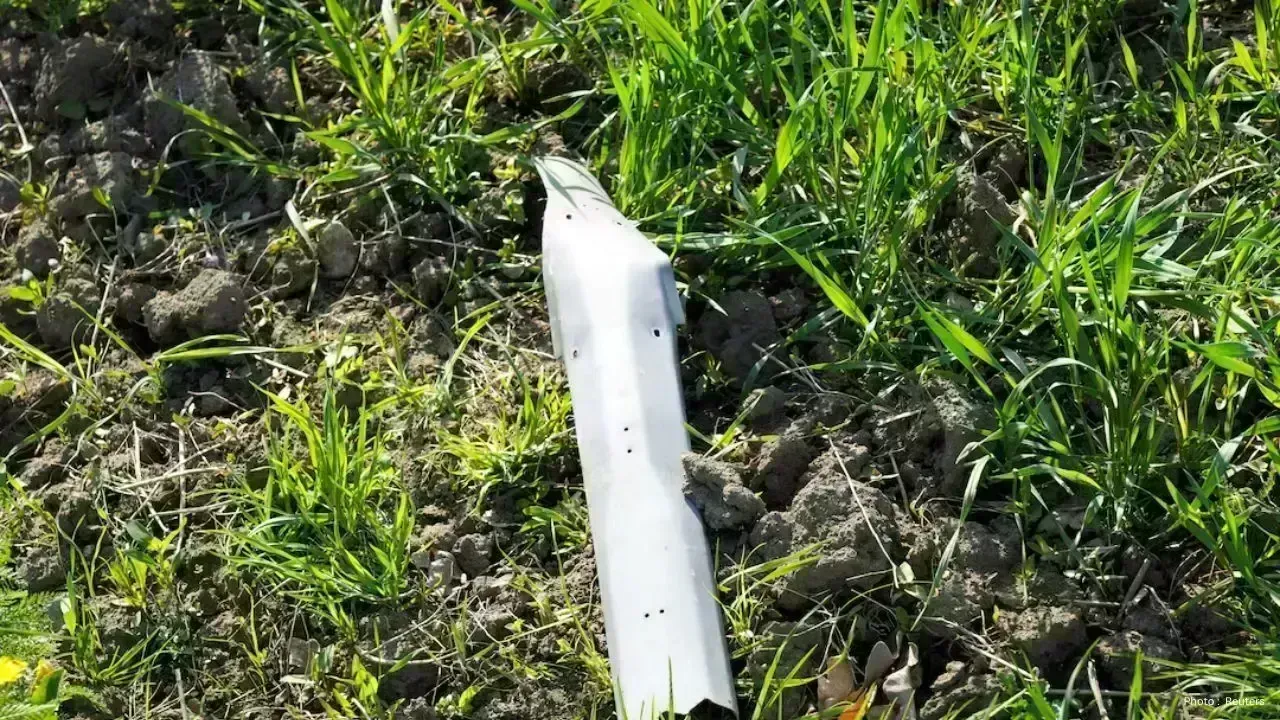
Multiple drones engaged in military operations have reportedly veered off course, entering nearby regions close to NATO nations. Although no significant damage has been reported thus far, the occurrences have heightened worries among neighboring governments about the risk of accidental escalation near vulnerable border areas.
Eastern European officials have intensified monitoring of airspace activities since the conflict between Russia and Ukraine intensified. Countries bordering the conflict zone are on high alert, aware that errant missiles or drones could pose security threats beyond the primary battlefield.
In response to these incidents, NATO members in the vicinity have reinforced their surveillance capabilities and air defense measures over recent years. Military officials are diligently tracking aerial movements to mitigate unexpected incidents that could jeopardize civilian safety or national security.
The recent drone incidents underscore the growing implications of contemporary warfare on neighboring nations. Unlike traditional conflicts with clearly defined fronts, today’s military engagements involving drones and long-range weapons can rapidly transcend borders and incite broader regional anxieties.
Experts in security postulate that the inadvertent crossing of drone paths into adjacent territories could amplify diplomatic strains among all parties involved in the conflict. Even when unintentional, such incidents can fuel apprehensions amongst governments and communities residing near border zones.
Particularly cautious, Eastern European nations are grappling with the political, economic, and humanitarian ramifications of the ongoing conflict. The influx of refugees, increased military expenditures, and energy uncertainties have significantly impacted neighboring countries since the inception of the war.
The evolution of drone technology has transformed the landscape of military operations. Unmanned aerial vehicles are now integral for intelligence gathering, reconnaissance, and direct engagement. However, technological malfunctions or navigational mishaps can lead to unintended cross-border incursions.
For NATO, securing stability along its eastern boundary is of utmost importance. Member states are enhancing coordination and defense strategies to avert any security breaches in sensitive locales. The frequency of joint military drills and surveillance operations has surged in the wake of the expanded conflict.
Citizens residing in border regions remain vigilant, given that unexpected military interventions often generate fear and unease. Communities located in affected areas harbor concerns regarding potential future mishaps involving drones or missiles.
Political analysts suggest that these occurrences might further complicate diplomatic exchanges between Russia, Ukraine, and Western entities. Any military apparatus breaching NATO-associated territory garners significant scrutiny due to the alliance's commitment to collective security.
Across Europe, governments are reassessing their responses to low-flying drones and high-velocity aerial threats. The surge of unmanned systems in combat has compelled many nations to bolster their radar technologies and emergency response strategies.
The ongoing Ukraine conflict has already reshaped the security landscape in Europe. A noticeable increase in military budgets has occurred in various countries, as discussions regarding long-term defense frameworks and regional collaboration persist.
Humanitarian specialists caution that enduring war conditions exert emotional strain not only on military personnel and governments but also on ordinary citizens residing near conflict zones. Unexpected incidents can disrupt daily lives and diminish public confidence in regional security.
Efforts to mitigate military escalations remain crucial as the conflict endures, with global leaders underscoring the significance of communication channels in preventing misunderstandings or accidental events from escalating into larger regional crises.
The recent incidents involving drones near NATO's borders serve as a stark reminder of how swiftly modern conflicts can contribute to uncertainty beyond traditional battlegrounds. Even unintentional military incursions can provoke anxiety among neighboring nations, heightening the pressure on regional security protocols.
Going forward, attention will be riveted on how NATO countries enhance monitoring capabilities and collaborate on border security in light of these developments. This situation also illustrates the broader challenges confronting Europe as the repercussions of the Russia-Ukraine conflict continue to disrupt regional peace and stability.










PM Modi Pays Tribute to Mahatma Gandhi, Urges People to Support Khadi
PM Modi pays tribute to Mahatma Gandhi on Gandhi Jayanti and urges citizens to support Khadi and the

Amazon Seeks to Offload $8 Billion in Nvidia Chips to Investors
Amazon plans to move $8 billion in Nvidia chips to investors, using a new financing model to strengt

Samsung Raises Galaxy S26 Prices as Memory Chip Costs Rise
Samsung raises Galaxy S26 prices in South Korea as rising memory chip costs put pressure on smartpho

Lewis Hamilton Calls Singapore Grand Prix One of F1's Toughest Races
Lewis Hamilton discusses the demanding Singapore Grand Prix and brings Plus44 and Almave to Singapor

Denmark's Pandora Opens World's Largest Jewellery Factory in Vietnam
Pandora opens its largest jewellery factory in Vietnam, expanding global production, strengthening s

Gautam Gambhir Questions Batting-Friendly Pitches After India's Record ODI Chase
Gautam Gambhir questions batting-friendly ODI pitches after India’s record chase, calling for a bett

