
You have not yet added any article to your bookmarks!
Join 10k+ people to get notified about new posts, news and tips.
Do not worry we don't spam!
Post by : Samjeet Ariff
Why screen time has emerged as a pressing health issue in today's society
In our technology-driven era, screens dominate our lives—ranging from smartphones to tablets and TVs. While they enhance convenience, they also complicate efforts to manage screen time effectively.
Many individuals are unaware of how profoundly screen time can impact their mental clarity and sleep patterns until they encounter troubling symptoms like insomnia, lack of focus, or mental exhaustion.
Recognizing the effects of screen usage on your brain and sleep is crucial for sustaining overall well-being and efficiency.
The human brain processes information round the clock, but excessive screen access can lead to cognitive overload.
Extended screen time—especially when switching between apps and notifications—keeps your brain in a state of heightened activity, diminishing your attention span.
Consequently, this may contribute to:
As a result, the brain begins to crave quick information bursts rather than in-depth thinking, adversely impacting productivity and learning.
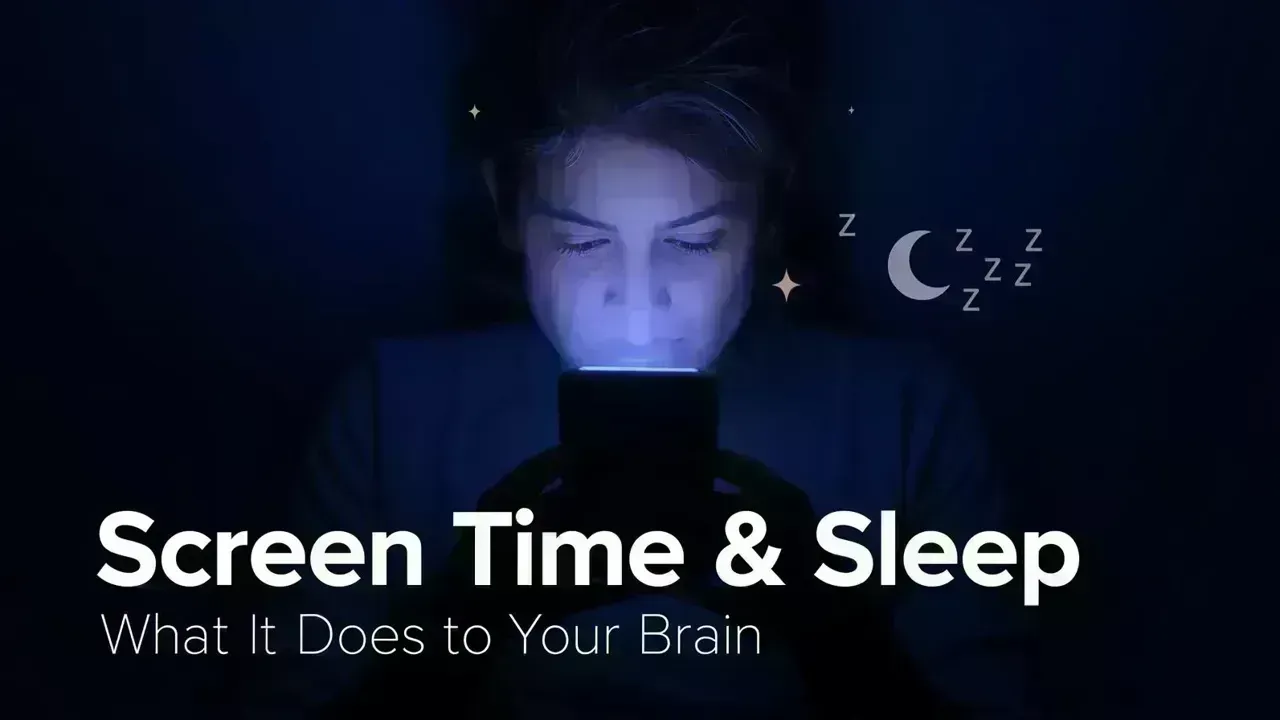
One of the most significant consequences of screen time manifests in sleep impairment.
Devices emit blue light that disrupts the body’s natural sleep rhythms, affecting a critical sleep-regulating hormone called Melatonin.
If screens are used close to bedtime, the brain gets signals indicating it is still day time. This results in:
Even achieving sleep may not yield sufficient restfulness.
Many users scroll through their phones before sleeping, mistakenly believing it aids relaxation. However, this routine often backfires.
Using social media or watching videos keeps the mind engaged rather than providing the necessary downtime.
As a result, you might face:
This late-night digital interaction is a key contributor to poor quality of sleep in current lifestyles.
Beyond sleep problems, prolonged screen exposure can adversely affect mental well-being.
Continuous engagement with digital content may lead to:
With limited downtime for your brain, emotional stability can also come under pressure, potentially escalating feelings of anxiety, especially when paired with social media interactions.
The brain requires uninterrupted periods to internalize and remember new information.
Frequent app-switching or multitasking can hinder effective information retention. This can impact:
In the long run, this is likely to affect performance in academic and professional environments.
Young minds are particularly vulnerable to the consequences of screen exposure as they are still developing.
High levels of screen time during formative years can:
This underscores the need for stricter screen time management for younger individuals.
Despite a focus on mental health, the physical effects of screen time are equally significant.
Common complaints include:
These physical discomforts can compound fatigue and reduce overall well-being.
There’s no universal standard for “too much” screen time, but balance is vital.
If screen use begins to:
it might be time to reassess your habits.
Decreasing screen time doesn’t necessitate eliminating technology altogether. It is more about fostering healthier routines.
Begin with:
These minor adjustments can yield significant lifestyle changes over time.
A consistent bedtime routine signals to your brain that it’s time to rest.
Steering clear of screens 30–60 minutes before sleep encourages melatonin production and prepares your body for slumber.
Substituting screen time with relaxing activities, like reading or listening to soothing music, can notably enhance sleep quality.
Proactive screen habit management can lead to noticeable improvements in:
Such advantages accumulate over time and contribute to better holistic health.
Aspects of modern life, including screen time, are unavoidable. However, comprehending its implications for your brain and sleep can promote smarter choices.
The intention isn’t to eradicate screens but to navigate their use wisely. Through establishing healthy practices and firm boundaries, technology can be enjoyed without compromising well-being.
Appeasing your brain and body with adequate rest sometimes merely necessitates stepping away from the screen.
This article serves informational purposes and does not substitute for medical or psychological counsel. For significant sleep or mental health concerns, please consult a health professional.
#Screen Time Effects #Sleep and Brain Health #Digital Detox Tips










PM Modi Pays Tribute to Mahatma Gandhi, Urges People to Support Khadi
PM Modi pays tribute to Mahatma Gandhi on Gandhi Jayanti and urges citizens to support Khadi and the

Amazon Seeks to Offload $8 Billion in Nvidia Chips to Investors
Amazon plans to move $8 billion in Nvidia chips to investors, using a new financing model to strengt

Samsung Raises Galaxy S26 Prices as Memory Chip Costs Rise
Samsung raises Galaxy S26 prices in South Korea as rising memory chip costs put pressure on smartpho

Lewis Hamilton Calls Singapore Grand Prix One of F1's Toughest Races
Lewis Hamilton discusses the demanding Singapore Grand Prix and brings Plus44 and Almave to Singapor

Denmark's Pandora Opens World's Largest Jewellery Factory in Vietnam
Pandora opens its largest jewellery factory in Vietnam, expanding global production, strengthening s

Gautam Gambhir Questions Batting-Friendly Pitches After India's Record ODI Chase
Gautam Gambhir questions batting-friendly ODI pitches after India’s record chase, calling for a bett

