
You have not yet added any article to your bookmarks!
Join 10k+ people to get notified about new posts, news and tips.
Do not worry we don't spam!
Post by : Mikael Ariff
Not long ago, children thrived outdoors, turning parks and playgrounds into lively spaces filled with laughter and movement. Climbing trees, running around, and engaging in outdoor games was the norm. Kids would immerse themselves in joyful play until dusk.
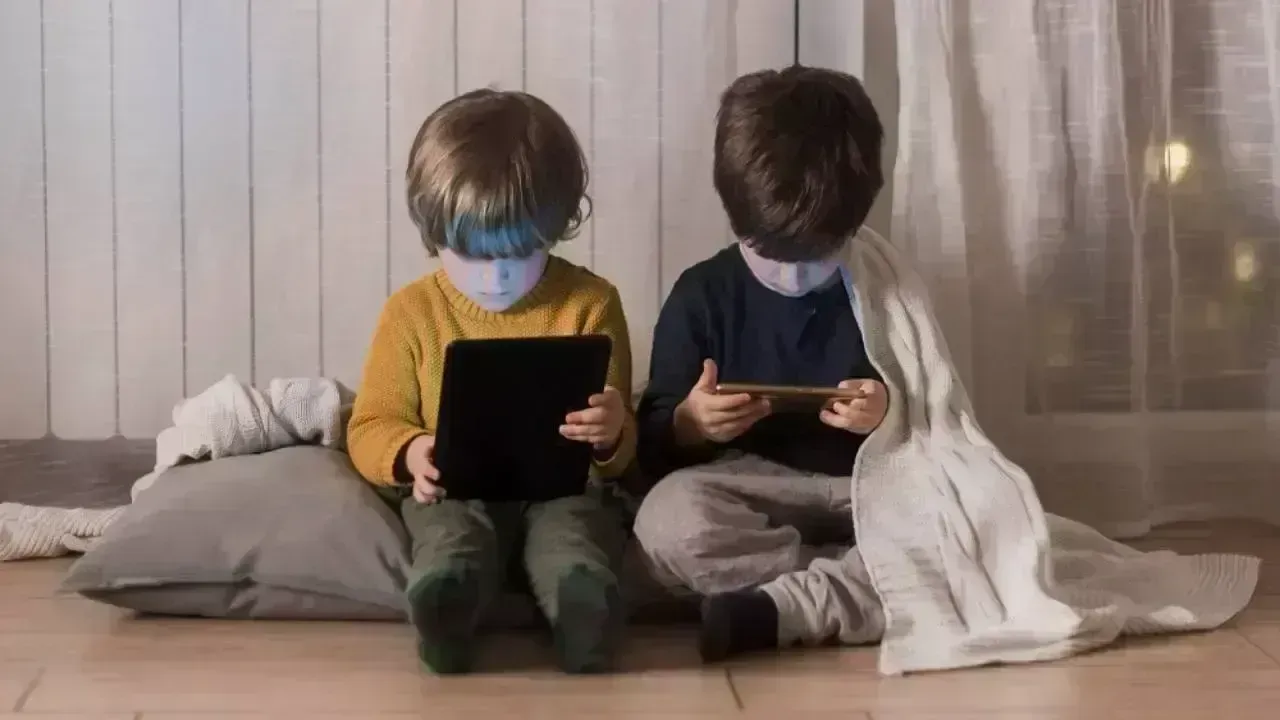
However, this trend has considerably changed. Increasingly, children are prioritizing indoor activities, often glued to smartphones and video games. This shift in lifestyle is one of the primary contributors to the alarming decline in children's physical health.
Many caregivers and health professionals are raising concerns about a spectrum of health issues among children, including weakened muscles, low energy, bad posture, and early onset of weight problems. Experts are linking the decline in outdoor play directly to these physical and psychological challenges.
In earlier times, playing outside was more than mere entertainment— it was essential for children's physical development. Traditional games like kho-kho, cricket, football, and cycling demanded comprehensive body movement.
Children actively engaged in running, jumping, and stretching, which fortified their muscles, enhanced bone health, and improved coordination. Daily outdoor play significantly boosted stamina and cardiovascular fitness, all while the kids were simply having fun.
Moreover, these games were instrumental in teaching essential life skills such as teamwork, patience, and problem-solving. Children learned to deal with victories and defeats, cultivating resilience and emotional strength.
In today’s world, smartphones dominate children's daily interactions. Engaging with online games, streaming videos, and chatting on social media keeps them occupied for long stretches. Many kids now prefer the easy allure of screens over engaging in physical activity.
Extended periods of inactivity lead to muscular weakening and poor posture. Common problems include back pain, neck strain, and headaches, not just among adults but increasingly among young kids.
As children indulge in more screen time, their fitness and strength noticeably decline.
Health professionals assert that excessive screen usage contributes to various health issues, including:
Reduced Activity: Kids engage less in active play like running or jumping.
Muscular Weakness: Insufficient physical activity hinders body development.
Weight Gain: Prolonged sitting can increase obesity risk.
Low Stamina: Many kids tire out quickly.
Poor Posture: Extensive screen time negatively impacts neck and back alignment.
Today’s children often struggle with simple physical tasks that were once effortlessly tackled by past generations.
The repercussions extend beyond physical health. High screen time can trigger mental and emotional distress. Kids entrenched in their devices may exhibit signs of restlessness, irritability, and challenges with focus.
They also miss social interactions fundamental for friendship-building, which can lead to feelings of isolation and diminished confidence.
Playing outdoors encourages stress relief and uplifts spirits. Fresh air and sunlight have a profound impact on mental well-being, creating a natural equilibrium between mind and body.
Parents and educational institutions are pivotal in molding children's habits. By minimizing screen time and promoting outdoor play, considerable positive changes in health can be achieved.
Parents can set an example by curbing their own screen time and engaging in fun activities with their kids. Simple actions like evening strolls or bike rides can encourage a more active lifestyle.
Schools can contribute by prioritizing sports and physical education. Regular playtime and safe playgrounds should be integral to the educational experience.
Absolutely! With concerted efforts from families and educational settings, traditional games can make a resurgence. Many parents are gradually advocating for outdoor play during evenings or weekends. Just 30 minutes of outdoor activity daily can enhance children's strength, energy, and self-esteem.
These games require minimal resources—just space, time, and motivation. Blending classic outdoor games with contemporary sports can reignite children’s enthusiasm for physical activity.
While technology isn't inherently negative, problems arise when it completely substitutes physical activity.
Children must find a healthy balance between screen engagement and outdoor play, as physical movement is vital for their growth.
The essence of traditional games lies in fostering active, healthy, and emotionally balanced children. Overreliance on smartphones has diminished physical movement and compromised their well-being.
If kids are encouraged to step into the outdoors again, we could avert many health challenges. Only through movement can strong bodies emerge, not through screens. Reviving outdoor play may be one of the vital gifts we can provide to future generations.
This article is intended for general knowledge and informational purposes only and should not be considered a substitute for professional medical, educational, or health advice. Each child’s physical and psychological development varies depending on several factors including age, lifestyle, and environment. The observations shared here are general and may not apply uniformly to all children. Parents and guardians should assess their child’s unique situation and consult qualified healthcare professionals or educators for specialized advice or if concerns arise regarding their child's physical health, behavior, or well-being.










AI Companies Expected to Drive Most US Earnings Growth in Q3
AI companies are expected to drive US third-quarter earnings growth as investors assess tech profits

Money Market Funds See Record Inflows as Global Bond Selloff Intensifies
Global money market funds attract $153.81 billion as bond yields rise, inflation fears persist and i

Meta Bans TikTok Ads on Facebook and Instagram in Seven Countries
Meta has banned TikTok ads in seven countries, escalating competition over social media users, adver

ASML and Zeiss Target Next-Generation Chip Technology in 10 Years
ASML and Carl Zeiss are developing Hyper NA technology to print smaller chip circuits, with the next

Rabada Misses First Australia Test as South Africa Pick Two Spinners
Kagiso Rabada misses the opener as South Africa vs Australia begins, with Anrich Nortje returning an

Starc Compares Australia's Tough Year to McIlroy's Major Sweep
Mitchell Starc says Australia winning three away Test series and the World Cup would match Rory McIl

